


Key Diabetes Statistics in Malaysia
- 15.6% of Malaysian adults are living with diabetes (NHMS 2023).
- More than half (56%) of diagnosed patients do not achieve adequate diabetes control.
- The need for qualified diabetes educators continues to grow nationwide.
Why Diabetes Remains a Growing Healthcare Crisis in Malaysia
Diabetes has become one of Malaysia’s most pressing public health challenges.
According to the National Health and Morbidity Survey (NHMS) 2023, 15.6% of Malaysian adults aged 18 and above are living with diabetes, roughly one in every six adults. Among those who have been diagnosed, 56% do not have their diabetes under adequate control.
Every day, a person living with diabetes must make dozens of decisions:
- What to eat,
- When to exercise,
- How to interpret a blood sugar reading,
- When to adjust medication, and
- How to stay motivated when managing the disease.
Effective diabetes management depends on sustained behavioural change, and informed self-management. Structured diabetes self-management education has been shown to:
- Improve glycaemic control,
- Reduce the risk of complications,
- Lower hospitalisation rates, and
- Significantly enhance quality of life.
What Is a Diabetes Educator and Why Are They Essential in Modern Healthcare?
A diabetes educator is a healthcare professional who has been specially trained to support people living with diabetes through
- Education,
- Counselling, and
- Personalised self-management strategies.
Diabetes educators come from a wide range of clinical disciplines including medicine, nursing, dietetics, pharmacy, physiotherapy, podiatry, clinical psychology, bringing a multidisciplinary perspective to patient care. However, in Malaysia, the ratio of trained diabetes educators to people living with diabetes remains critically low.
Training opportunities have historically been insufficient, with few institutions offering diabetes educator training at a recognised qualification level. This gap has very real consequences: patients who could benefit from structured education and support are instead left to manage alone.
How IMU Postgraduate Diploma in Diabetes Management and Education (PGDME) Prepares Future Diabetes Educators
The Postgraduate Diploma in Diabetes Management and Education (PGDME) programme at IMU University was designed precisely to address this gap. It is the highest qualification of its kind in Southeast Asia, modelled against international curriculum guidelines and delivered through Open and Distance Learning (ODL) mode that allows working healthcare professionals to upskill without interrupting their practice.
Key Facts about the Programme
Degree:
Postgraduate Diploma in Diabetes Management and Education (IMU)
Duration:
1 – 3 years (full-time)
2 – 4 years (part-time)
Commencement:
Mar / Jul / Oct
Delivery Mode:
Open and Distance Learning (ODL)
The programme equips graduates with competencies across diabetes pathophysiology, self-management education, psychosocial support, care of special populations, and research, preparing them not just to teach patients, but to lead diabetes care at institutional and national levels.
MDES Conference 2026: A Platform for Diabetes Educators
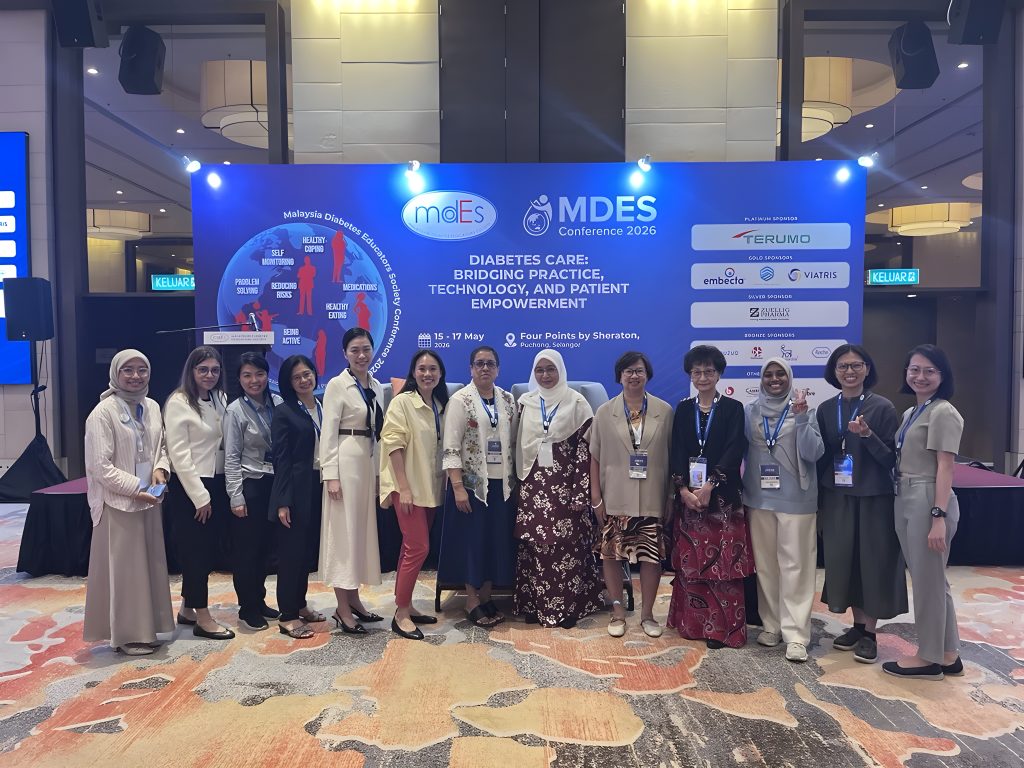
From 15 to 17 May 2026, the Malaysian Diabetes Educators Society (MDES) brought together healthcare professionals, researchers, and advocates at the MDES Conference 2026, held at Four Points by Sheraton, Puchong, Selangor.
Under the theme “Diabetes Care: Bridging Practice, Technology, and Patient Empowerment,” the conference served as one of the most important annual gatherings for the diabetes educator community in Malaysia.
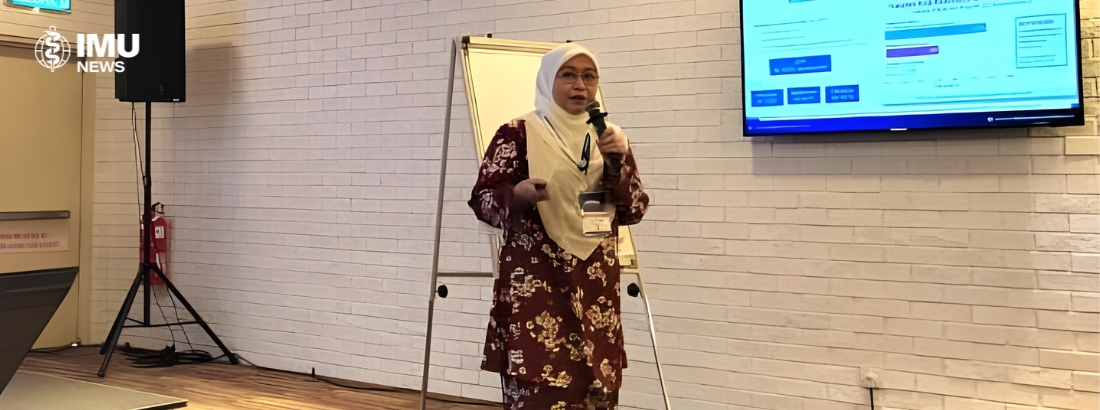
PGDME faculty including Dr Tan Min Yeong (also the Vice President of the MDES), Dr Lee Ching Li, Prof Winnie Chee Siew Swee, Dr Farah Yasmin Hasbullah, and Dr Hariyati Sharima took to the stage as speakers, contributing to discussions on
- Nutrition therapy,
- Lifestyle management,
- Effective communication in diabetes care,
- Addressing psychosocial issues, and
- The evolving role of technology in patient empowerment.
PGDME students found the conference provided a chance to contextualise what they were learning within the broader national conversation on diabetes care.
“Attending MDES 2026 as a PGDME student reinforced understanding that effective diabetes education goes beyond the numbers or logbook entries, but instead empowering patients to make sustainable behavioural and lifestyle changes that improve self-management and long-term health outcomes,” said Jasminder Kaur A/P Puguan Singh, Clinical Nurse Case Management, from DMEO325 cohort.
This was echoed by Melinda Chin Tze Lin, Clinical Nurse Case Management, also from DMEO325 cohort, “Beyond numbers and glucose levels lies a human story that deserves to be heard. When we become partners in care, not just providers of instruction, we give patients something greater than knowledge – we give them confidence, dignity, and hope, one day at a time.”
Diabetes Education: The Road Ahead
As Malaysia’s diabetes burden continues to rise, the need for skilled, compassionate, and well-trained diabetes educators becomes not just important but also urgent.
Diabetes educators who can bridge the space between clinical knowledge and lived patient experience are among the most valuable assets in the healthcare system.
For healthcare professionals who believe that patient education is as powerful as any prescription, the PGDME programme offers a pathway to make that belief their practice.
Written by Farah Yasmin Hasbullah
Thoughts Shared