


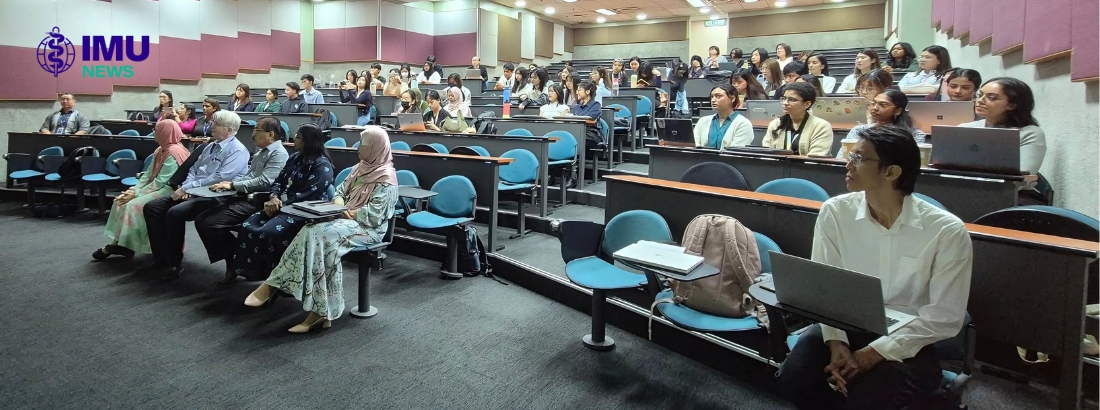
In conjunction with the School of Psychology and Social Sciences (SOPSS)’s annual Psychology Day this year themed “Many Minds, One World: Embracing Diversity in Psychology”, I had the honour of attending an insightful talk on the Suspected Child Abuse and Neglect (SCAN) programme. This talk was expertly delivered by Associate Professor Dr Fairuz Nazri Abdul Rahman, a child and adolescent psychiatrist, and Dr Esther Loh, an Obstetrics and Gynaecology (O & G) specialist from the National University of Malaysia (UKM).
This talk deeply resonated with me, especially as it built on the topic on gender-based domestic violence, specifically among women, which I explored in the presentation for the Cultural Diversity, Ethics and Professionalism module during my first semester in the Master of Clinical Psychology programme at IMU. One of the most compelling lessons was the indispensable value of interdisciplinary collaboration among psychiatrists, paediatricians, O & G specialists, clinical psychologists, counsellors, social workers, legal institutions and police officers who must work together seamlessly. This collaborative effort is crucial because no single discipline could address the complex needs of vulnerable children in isolation.
This talk further enriched my understanding and skills in working with minor clients affected by maltreatment. It reaffirmed the urgent needs for vigilance in recognising overt and subtle signs of maltreatment. Acknowledging that children may initially feel uncomfortable or hesitant to express their experience directly, I was reminded of the paramount importance of creating a safe, non-judgemental and respectful therapeutic environment that nurtures trust and encourage gradual disclosure at their own pace. This talk also reminded me of the necessity for flexibility and creativity in employing age-appropriate and sensitive communication and therapeutic interventions, tailoring to the unique needs of each child.
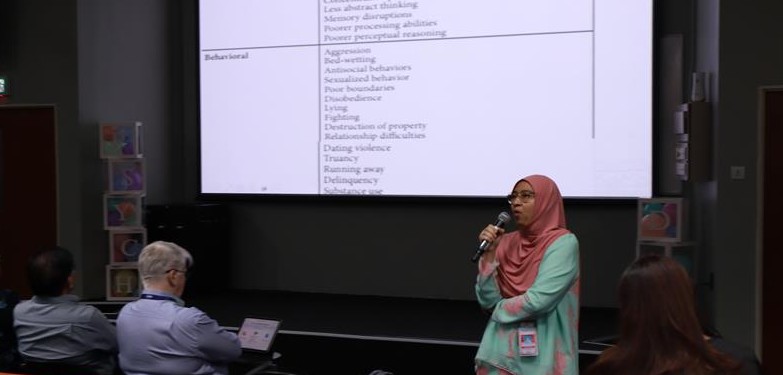
Importantly, this session underscored the necessity of being well-versed about the ethical guidelines set by governing bodies such as the Malaysian Society of Clinical Psychologists (MSCP), alongside the local safeguarding protocols. This vigilance includes upholding confidentiality while discerning when critical information must be shared with relevant authorities, knowing whom to approach for advice, and understanding referral procedures, all with the unwavering priority of ensuring the child’s safety and best interest.
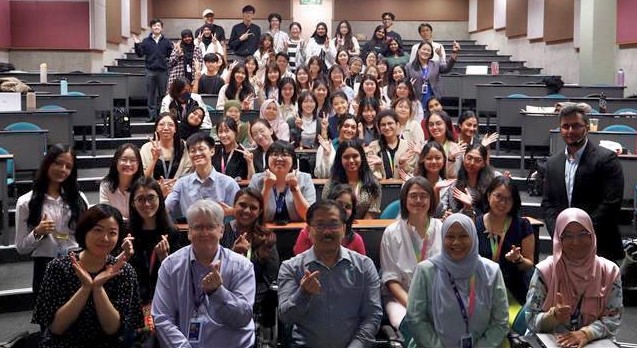
Last but not least, it reinforced the crucial role of timely intervention coupled with long-term and close multidisciplinary collaboration among family members, social workers, legal institutions and healthcare professionals. Such coordinated efforts are vital not only for protecting vulnerable children but also for fostering their long-term psychological recovery and resilience.
This experience has profoundly deepened my passion and commitment to multidisciplinary advocacy and the ethical and compassionate care of children, reminding me that protecting our most vulnerable requires an informed, unified and heartfelt response.
Written by Lee Rulin, MCP124 student
Photos credit to Ms Nur Arfah binti Zaini, Ms Brenda Shalini A/P Kesavamani and organising team of the “Many Minds, One World: Embracing Diversity in Psychology” event.

Thoughts Shared