


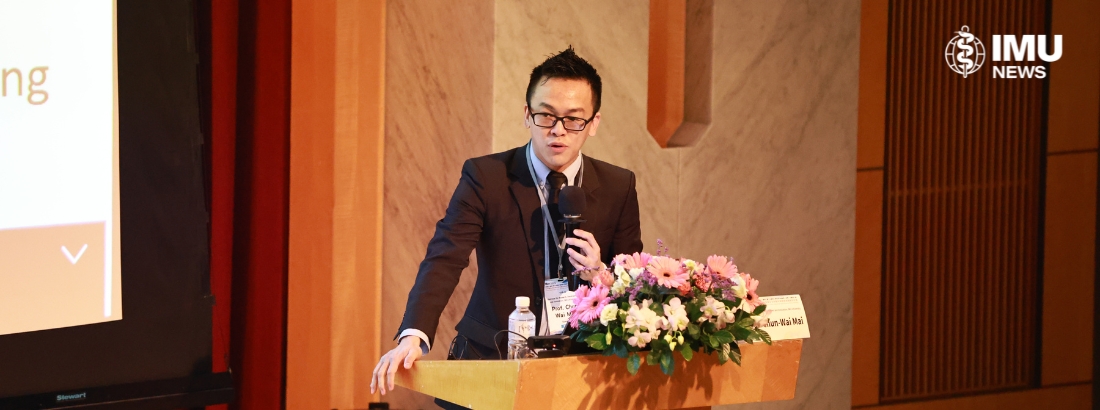
Prof Ts Dr Mai Chun Wai, a distinguished researcher from the Institute for Research, Development and Innovation (IRDI) at IMU University (Malaysia), recently emerged as a key voice in advancing global patient safety and pharmaceutical security, following his invitation to two high-stakes international conferences in Taiwan. The back-to-back events—the “Global Drug Supply Chain Security and Clinical Risk Control” Annual Conference hosted by the Taiwan Medical Products Anti-Counterfeit Taskforce (TMPACT) on November 29, 2025, and Tajen University’s “New Tech × New Era: The Ongoing Transformation of Telepharmacy and Healthcare” International Conference (November 30–December 1, 2025)—positioned Prof Mai as a bridge between Malaysian expertise and global efforts to safeguard public health, while fostering cross-border collaboration in critical healthcare domains.
Drives Actionable Dialogue on Anti-Counterfeiting at Taiwan Medical Products Anti-Counterfeiting Taskforce Annual Conference
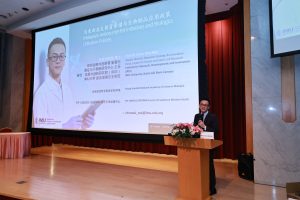
The Taiwan Medical Products Anti-Counterfeiting Taskforce (TMPACT) Annual Conference, organised by Taiwan’s leading non-profit alliance dedicated to combating illegal pharmaceuticals, served as a pivotal platform for Prof Mai to share his decades of research on health systems and patient safety. As the Deputy Lead of the International Pharmaceutical Federation (FIP)-UNESCO UNITWIN Centre for Excellence in the Western Pacific, and a leader in both the Malaysia Pharmacists Society (MPS) and IMU’s IRDI, Prof Mai delivered insights that linked global patient safety advocacy to on-the-ground strategies—including his work to strengthen Malaysia’s pharmaceutical regulatory frameworks.
TMPACT, a legally established organisation that unites pharmaceutical industry leaders, health authorities, clinical practitioners, and academics, aligns closely with Prof Mai’s mission: its focus on preventing illegal pharmaceuticals, developing anti-counterfeit detection technologies, and informing policy through evidence-based research mirrors IMU’s commitment to translating academic rigor into real-world impact. The conference’s structure—balancing organisational governance with technical deep dives—highlighted TMPACT’s unique ability to drive accountability while advancing thought leadership.
A standout feature of the event was its global perspective: presentations from multinational pharmaceutical firms on end-to-end supply chain control, South Korea’s expertise in biosimilar governance, and India’s innovative anti-counterfeit technologies underscored the interconnectedness of the challenge. Prof Mai emphasized that these diverse insights reinforced a critical truth: “No single nation or sector can combat counterfeit drugs in isolation.” This sentiment was amplified during a panel discussion on curbing online counterfeit pharmaceuticals, where Prof Mai contributed to debates on regulating digital drug markets without compromising patient access to legitimate medications. He later praised Taiwan’s proactive approach—TMPACT’s ability to unify government, healthcare institutions, and industry—as a “blueprint for regional collaboration that Malaysia can adapt to strengthen its own pharmaceutical safety nets.”
Links Innovation and Security at Telehealth Conference
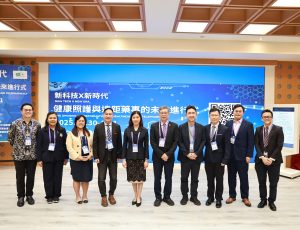
Tajen University’s International Conference shifted the focus to healthcare’s digital future, and Prof Mai’s participation served as a vital link between telepharmacy innovation and pharmaceutical security—two pillars of modern patient safety. His presentation, which drew on his global engagement in healthcare policy and IMU’s research on digital health, emphasized that “innovation cannot come at the cost of security; telepharmacy’s potential to expand access to underserved communities must be paired with robust safeguards against counterfeit drugs.”
The conference featured groundbreaking insights from regional experts:
- An Indonesian speaker outlined how digital tools can augment (not replace) pharmacists’ roles, enhancing efficiency while preserving patient trust;
- A Thai academic provided a holistic view of digitalisation’s impact on healthcare ecosystems, from remote diagnosis to medication management; and
- A Taiwanese expert from Chang Gung Medical Administration Center led a session on pharmacists’ evolving roles in an era of rapid tech change—underscoring the irreplaceable value of compassion and clinical expertise amid digital transformation.
Prof Mai noted that these discussions aligned closely with IMU’s priorities, particularly the university’s work to integrate digital health training into pharmacy curricula and develop technologies that balance accessibility with security.
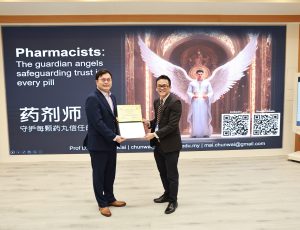
A key highlight was the signing of Memorandums of Understanding (MOUs) between Tajen University and partner institutions (including Pathumthani University and Chang Gung Medical Administration Center)—a tangible outcome that Prof Mai identified as “a model for turning dialogue into action.” He stressed that such collaborations are essential for addressing dual challenges: expanding telehealth access and mitigating risks like counterfeit drugs, which disproportionately affect vulnerable populations.

Charts a Path for Malaysia-Taiwan Collaboration
Reflecting on his participation in both conferences, Prof Mai highlighted three core takeaways that will shape IMU’s and Malaysia’s future healthcare strategies:
- Pharmaceutical security and innovation are interdependent: Advances in telehealth or biologics cannot succeed without safeguards against counterfeiting.
- Cross-border collaboration is non-negotiable: Counterfeit drugs and digital health solutions transcend national borders, requiring unified global action.
- Multi-stakeholder partnerships drive change: Governments, academia, industry, and clinicians must align to turn research into policy and practice.
Taiwan’s leadership—through TMPACT’s anti-counterfeiting work and Tajen University’s innovation in telehealth—served as a “powerful inspiration” for Malaysia, Prof Mai noted. He emphasized that the lessons from Taiwan will directly inform IMU’s research agenda, including ongoing projects to strengthen Malaysia’s drug supply chain monitoring and integrate anti-counterfeit training into healthcare curricula.
Related Article:
https://www.allnews.tw/news/83616 (Article is in Mandarin)
Thoughts Shared