


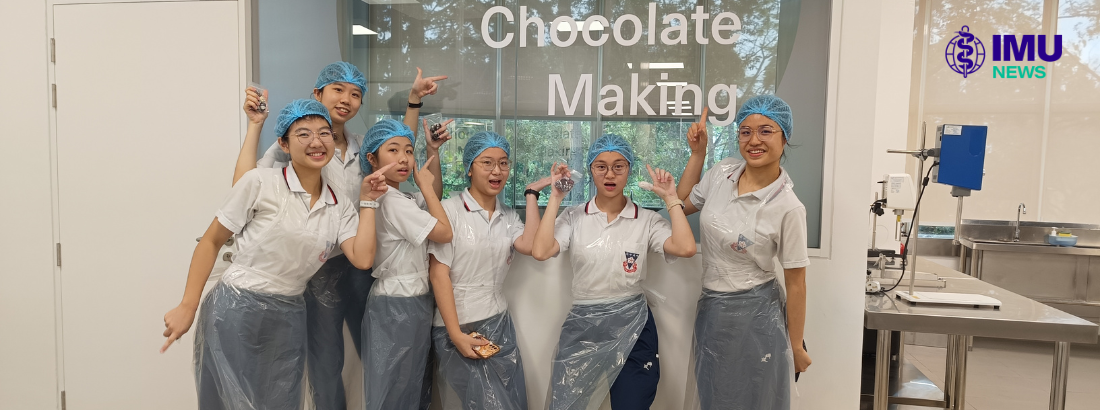
Who doesn’t love chocolate? That smooth, rich, and flavourful delight that melts in your mouth, offers a pleasant moment of enjoyment. For many , chocolate is the ultimate “guilty pleasure”, a treat we enjoy while worrying about our waistlines or dental health. What if I told you that this beloved treat could actually be a “vehicle” for health and wellness? When prepared with scientific precision and mindful ingredients, chocolate is a powerhouse of antioxidants, particularly flavonoids, which are known to support heart health and improve mood.
At IMU University, the balance between indulgence and health is being actively explored through innovative, hands-on food science education. Under the pioneering ‘One Health’ vision, IMU University recognises that human wellbeing is closely connected with our diet and the natural environment. To bring this idea to life, the Food Science Innovation (FSI) programme hosted a workshop titled “FSI Chocolate Lab: Sweet Science in Action” on 25 November 2025.
Chocolate with Traditional Chinese Medicine (TCM)
The concept for this workshop was initiated by the Food Science Innovation Programme team, who proposed incorporating traditional medicine principles into food product development. Through further discussions with Dr Wong Zhi Hang, Chinese Medicine Practitioner and Deputy Director of the School of Alternative and Complementary Medicine, the idea evolved into a collaborative effort that bridges modern food science with Traditional Chinese Medicine (TCM).
In TCM, food is not just something to fill the stomach, but as a mean to help maintain balance within the body. Many ingredients are well known in TCM for their specific functional benefits. For example, chrysanthemum (kek hwa) is commonly associated with eye health, red dates (jujube) are believed to promote blood circulation, rose petals for their calming effects, while goji berries (wolfberries) are often linked to immune support. By incorporating these TCM concepts into chocolate-making, the workshop aimed to show students, in a simple and practical way, how food can be both enjoyable and beneficial to wellbeing.
The Artisan Chocolate Making Workshop
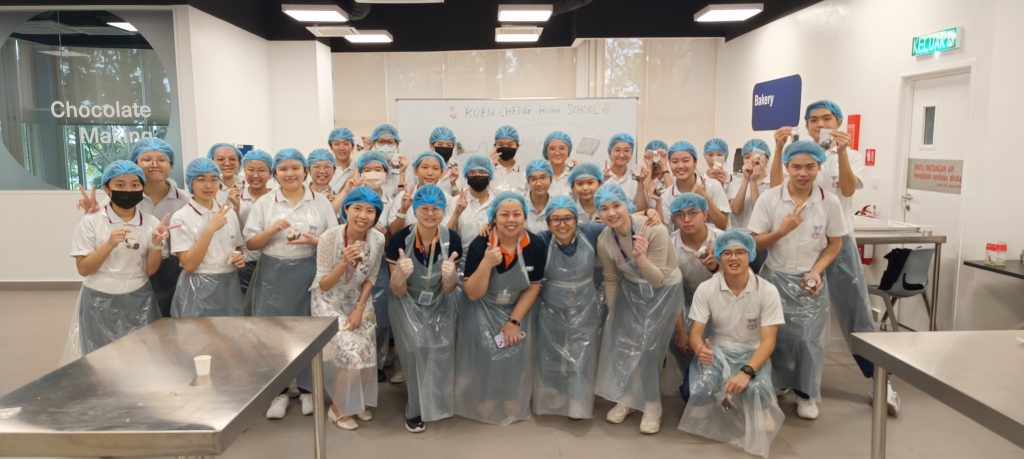
On 25 November, the IMU Food Science Innovation team welcomed 77 enthusiastic students and 2 dedicated teachers from Kuen Cheng High School, led by Dr Chang Lee Sin and supported by A/Prof Dr Neo Yun Ping, Dr Lee Sin Yee and Dr Tan Siew Tin. This workshop marked the first FSI workshop to incorporate TCM-inspired functional ingredients into chocolate-making activities, conducted at Food Science Innovation Laboratory, IMU University.
Students were divided into small groups and introduced to the fundamentals of artisan chocolate production in a laboratory-style setting.
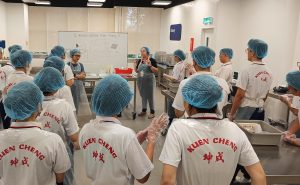
Each group was provided with dark, milk, and white melted chocolate, along with moulds and functional ingredients. With guidance from the facilitators, students applied their creativity to design and crafted personalised chocolate products. They experimented with flavour combinations and aesthetics by incorporating two TCM-inspired ingredients: goji berries and rose petals, into their formulations.
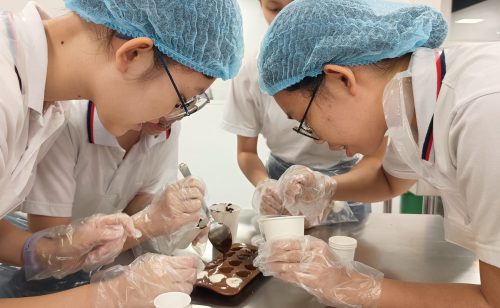
To make the workshop more engaging and interactive, friendly mini-competitions were introduced among the groups. Each team was encouraged to showcase creativity not only in chocolate design but also in the ideas behind their TCM-inspired formulations. Groups that demonstrated outstanding creativity and thoughtful concepts were rewarded with small gifts from the FSI team, adding an element of excitement. The session buzzed with energy, laughter, and curiosity as students experimented with ingredient and proudly showcased their creations.
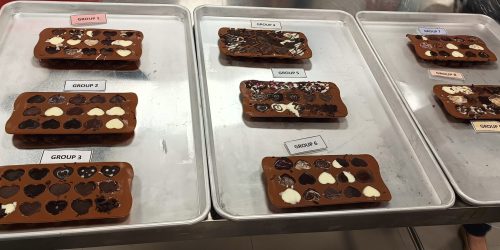
Once the chocolates were completed, they were placed in a blast freezer to allow rapid setting and stabilisation of the chocolate structure.
Students then demoulded their finished products and were delighted to bring home their own handcrafted chocolate creations.
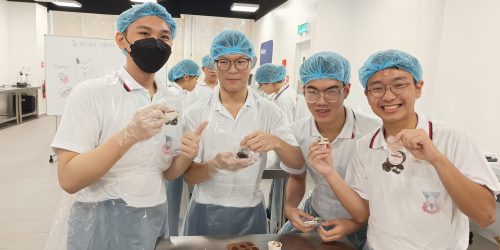
Throughout the activity, students not only enjoyed the hands-on process of moulding and decorating their chocolates but also learned the science behind chocolate structure, texture, and ingredient interactions. The workshop helped students understand how ingredient selection, processing methods, and formulation choices can influence both sensory qualities and potential health benefits.
Learning Outcomes and Reflections
By the end of the session, students were introduced to the concept of functional foods, foods that offer health benefits beyond basic nutrition. This experience encouraged them to rethink chocolate not merely as a sweet treat, but as a thoughtfully designed product with potential to support healthier lifestyles. It also reinforced how food can play a meaningful role in overall wellbeing while reflecting IMU’s commitment to inspiring future innovators to view food as both enjoyable and beneficial for health. Through the use of ingredients such as goji berries and rose petals, students saw how centuries-old TCM knowledge can thoughtfully inform modern product development.
The FSI team expressed their appreciation for the opportunity to host this workshop and engage with such enthusiastic students. It was rewarding to see students actively asking questions, experimenting with ingredients, and confidently applying creative ideas throughout the session. The workshop demonstrated how interdisciplinary approaches such as combining food science with TCM can make learning more meaningful and enjoyable. The team looks forward to continuing to inspire young learners to explore food science as a pathway to innovation, health, and wellbeing.
Thoughts Shared