


Immersive simulations have a powerful way of showing not only what students can do, but how they respond when the pressure rises and time feels critical. We saw this very clearly during our recent simulation sessions with nursing students group NU1/22 (central line insertion, intubation, and CPR), NU1/23 (initial assessment in emergency and trauma care, including IV insertion, applying a neck collar, pelvic binder, log roll, and basic airway skills), and NU1/24 (helping with chest drain insertion, removal, and bottle changes) at IMU University. These sessions provided us with a close look at how students combined their skills, managed stress, and collaborated in situations that felt real and urgent.
For many students, these scenarios were the first chance to bring together a variety of skills and use them all at once in a fast-paced, high-pressure situation. Tasks such as managing the airway, performing resuscitation, communicating in the emergency department, and assisting with procedures are the tasks that are usually practised separately, but suddenly must work together. Students needed to think quickly, coordinate their actions, and act with confidence, just as they would in real clinical settings.
What happened in the simulation rooms went far beyond testing technical skills. As facilitators, we didn’t just watch the students perform, we felt the tension, urgency, and pressure right alongside them. We witnessed their teamwork under stress and saw how they managed uncertainty in real time. These sessions offered a unique glimpse into how students respond when the scenario feels real and the stakes are high.
The reflections that follow share our personal experiences during these simulations, showing how emotions shaped the learning environment and how working through high-pressure moments helped us understand more about teaching and learning in emergency care.
Ms Goh Lay Khim

Facilitating this emergency simulation quickly showed me just how intense these sessions can be, not only for the students facing a high-pressure scenario, but for me as an educator. Even though the case was designed to match their skill level, it became clear right away that many students weren’t fully ready. My pre-briefing had been too short, and I could sense their uncertainty before the simulation even started. That feeling brought an immediate sense of responsibility that weighed heavily on me.
As the scenario unfolded, the tension in the room was palpable. Students hesitated, froze mid-task, avoided eye contact, and kept looking to me for reassurance. I had planned to step back and let them think and respond on their own, but I found myself stepping in repeatedly. Each time, I worried I might be taking away their chance to act independently. At the same time, I felt an instinct to protect and guide them. That tug of war left me frustrated and concerned that my tone might show more impatience than I intended.
The students’ stress was clear on their faces, as shown by uncertainty, fear, and overwhelm were obvious. One student seemed completely disengaged, which was particularly discouraging. Despite my efforts to ease the tension, moments of clarity and confidence were rare. I began to wonder if my presence was adding to their pressure rather than helping.
It wasn’t until the debrief that I felt relief. Listening to students reflect on what they learned, how the scenario improved their teamwork, communication, and real-time decision-making, helped me see the session in a new light. Even amid the stress, meaningful learning had happened.
This experience reminded me how important a thorough, supportive pre-brief is for creating psychological safety. Moving forward, I want to better prepare students emotionally as well as technically, so simulations challenge them without overwhelming them. My goal is to create a space where learners feel safe enough to struggle, confident enough to try, and supported enough to grow.
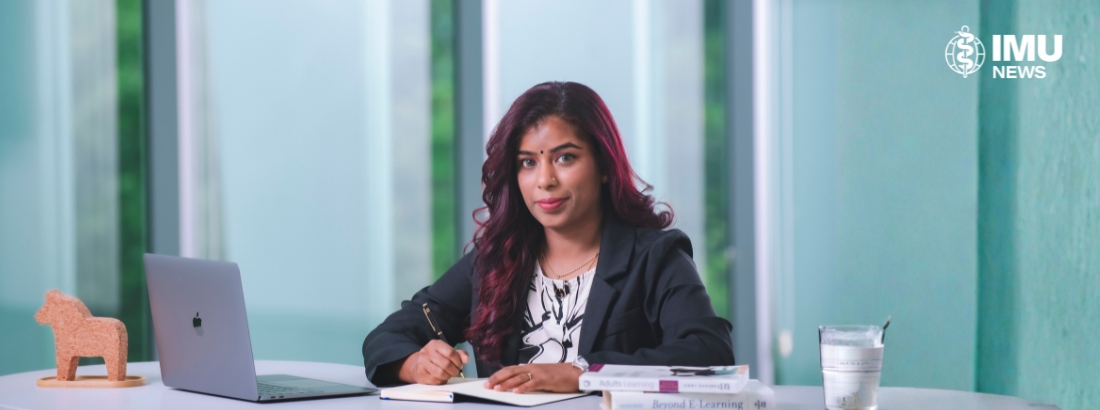
Ms Deepa Kaliappen
(in the main photo)
When I entered the simulation room, I felt confident that everything had been prepared. Students had their notes, checklists, and a clear idea of what to expect. Yet beneath that preparation, I could sense a quiet tension. It wasn’t fear of the scenario itself, but the anxiety of experiencing their first real emergency simulation. Knowing this, I focused on staying calm, understanding that my own composure would help set the tone for the room.
As the simulation went on, students reacted in very different ways. Some listened, adjusted quickly, and absorbed feedback, while others seemed to shrink a little with each correction, their confidence visibly wavering. During moments of hesitation, when the room seemed to pause, I felt the weight of their uncertainty. I wanted to step in just enough to guide them, but not so much that I took over. Balancing when to intervene and when to step back was one of the most challenging parts of the session.
I also felt brief flashes of frustration, not at the students, but at the intensity and pressure of the situation. I became very aware of my non-verbal cues, knowing that even small expressions could affect the student’s sense of safety. I consciously tried to project reassurance, even when the tension inside me was rising.
The debrief brought relief and clarity. Listening to students reflect on what they did well, what they missed, and what they learned showed me that growth is not perfect performance, it was the real outcome. Their reflections proved that stepping into a challenging situation had strengthened their teamwork, communication, and confidence.
This experience reminded me how much a facilitator’s presence shapes the learning environment. Moving forward, I aim to create a space that is calm, supportive, and safe, where the students feel comfortable making mistakes, confident enough to ask questions, and empowered to learn from every challenge.
Ms Lee Mei Ying

As I stepped into the simulation room, I was aware that my background in emergency and trauma care might make some students anxious. A few had previously shared concerns about working with instructors from emergency settings, and I felt a quiet pressure to uphold professional standards without adding to their fears. That balance weighed on me even before the scenario began.
During the simulation, I tried to remain calm, steady, and observant, giving students the space to take the lead. But I soon noticed that my silence and serious expression, meant to create room for their decision-making, seemed to unsettle them. Their voices grew softer, movements more hesitant, and decisions slowed. I felt their uncertainty growing and with it, my own internal conflict, “Should I step in to ease their stress, or stay hands-off to maintain the realism of the scenario?”
Watching them struggle was difficult, not because they lacked skill, but because stress had overshadowed their abilities. I worried that my serious demeanour might make them feel judged. Yet stepping in too early risked taking away the authentic emergency experience, where clarity and composure must emerge under pressure.
It wasn’t until the debrief that the tension lifted. Listening to students reflect openly on mistakes, reasoning, and moments of hesitation reassured me that meaningful learning had taken place. Their willingness to be vulnerable made me proud of their resilience and showed the emotional courage required in such situations.
This experience reminded me that my presence, my posture, tone, and expressions shape students’ sense of psychological safety just as much as my guidance shapes their skills. Moving forward, I aim to strike a balance between professional expectations and emotional support, creating an environment where students feel challenged, safe, and confident in their learning and growth.
Mr Dharshan (CSSC)

Beyond the facilitation team, Mr Dharshan from the CSSC played a key role in making the simulation feel real and impactful. Behind the scenes, he managed everything, from organising the session schedules to carefully setting up the room so it resembled an actual emergency environment.
With well-timed visual cues, the sounds of alarms and an ICU, and dynamic changes to the room that matched the unfolding scenario, he used content from the immersive content bank to create an atmosphere that felt very authentic. This realistic setting allowed both students and facilitators to fully immerse themselves, experiencing the pressure and urgency of real clinical situations. Thanks to his work, the simulation became more than just a practice exercise, it became a true, lived experience.
Conclusion
Our reflections show that emergency simulations are an emotional journey not just for students, but for facilitators as well. Throughout the sessions, we felt their uncertainty, hesitation, and pressure, and they felt the weight of our presence, our silence, and our expectations. These shared emotions shaped the atmosphere just as much as the clinical tasks did.
The students’ feedback reinforced this clearly. Many shared that the scenarios felt real and emotionally engaging, rating the experience between 7 to 10 out of 10. They described feeling the tension, the urgency to think on their feet, and the pressure to make quick decisions, all of which brought the learning to life. Their ability to reflect openly on these feelings showed us how much emotional courage the simulation demanded from them.
Together, both facilitator insights and student responses highlight that emergency simulation is far more than practising the procedures. It is about creating a safe, immersive space where learners can experience stress, reflect on it, and grow from it. With the support of experts like Mr Dharshan, who helped build a realistic and engaging environment, these simulations become powerful learning experiences that build not just skill but confidence, teamwork, and resilience.
Written by Ms Deepa Kaliappen (Nursing), Ms Goh Lay Khim (Nursing), Ms Lee Mei Ying (Nursing), and Mr Dharshan (CSSC)
Thoughts Shared