



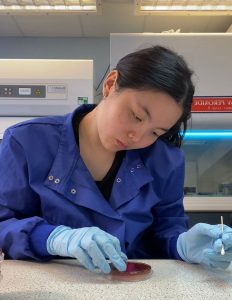
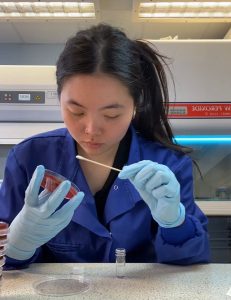
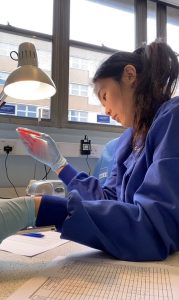
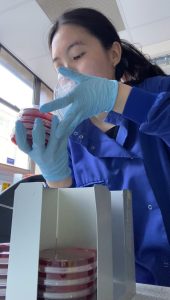
During my undergraduate studies in Biomedical Science at IMU University, I was supported by the IMU Mobility Office to undertake a short-term study abroad programme, which provided valuable exposure to world-class research. I had the opportunity to be attached with Prof Stuart Clarke’s research team in the University of Southampton (UK) as a visiting research student. His work focuses on the molecular epidemiology of Streptococcus pneumoniae and other vaccine preventable bacterial infections, particularly in relation to polysaccharide conjugate vaccines.
I worked on a project titled
“Pneumococcal Serotype Prevalence in Malaysia: A Systematic Review and Meta-analysis of Countrywide Isolate Collections Before the Introduction of the Conjugate Vaccine.”.
This experience allowed me to gain knowledge beyond textbook learning, including
- Familiarity with UK standards for antimicrobial susceptibility testing methodologies and their interpretation,
- Exposure toStreptococcus pneumoniae whole genome sequence analysis and
- Meta analytic techniques.
I also had the opportunity to participate in a collaboration with the Wellcome Sanger Institute, which provided the whole genome sequencing services.
While working on the project, I realised how meaningful research can be, particularly as I examined epidemiological data on pneumococcal related mortality and antimicrobial resistance rates in the Malaysian population. This experience significantly strengthened my interest in research and has continued to motivate me in overcoming challenges.
Expanding Knowledge Through Workshops
I attended workshops on respiratory pathogens that broadened my understanding of environmental risk factors such as seasonal weather patterns.
For example, pathogens such as Streptococcus pneumoniae, Haemophilus influenzae, and Group A Streptococcus tend to surge during winter months due to increased indoor crowding, reduced nasal mucosal defences in dry air, seasonal changes in immunity such as lower vitamin D levels, and the greater stability and airborne persistence of pathogens in cold, dry conditions.
These insights were particularly striking to me, as Malaysia does not experience four seasons, making this knowledge both fascinating and highly informative.
Learning From Global Perspectives
In addition, I participated in several research proposal sharing sessions, which provided the opportunity to hear presentations from international peers.
One presentation by a researcher from Nigeria was especially memorable and broadened my perspective. His project focused on antimicrobial resistance and the challenges of antibiotic transportation in Nigeria, where high temperatures can compromise antibiotic efficacy.
His work was highly inspiring, and I believe the outcomes of his research will contribute meaningfully to public health and societal wellbeing.
Personal Growth: Independence and Resilience
Beyond academic work, I learned how to begin a new life overseas independently.
From taking a 14-hour long-haul flight, searching for accommodation, navigating challenging situations, and settling in, to fully immersing myself in the cultural differences of the UK, the experience greatly strengthened my resilience and independence.
Acknowledgements and Future Aspirations
Finally, I would like to thank:
- IMU University for the mobility financial aid,
- Prof Hoh Boon Peng for introducing me to his collaborator Prof Stuart Clarke, and
- Prof Stuart Clarke together with research project manager Alex Listen and the team for their guidance and support. Their kind support and guidance have been integral to my success and growth.
I discovered my life goal during this journey, and I intend to return to the UK to pursue postgraduate studies in forensic science.
Written by Kuan Ee Vern 官伊文, who graduated with her degree on 1 November 2025.
Thoughts Shared