


Article Summary
After completing his bachelor’s degree, Joshua Low Jun Yi chose to continue his academic journey by pursuing the Master of Science in Molecular Medicine at IMU University. His postgraduate studies took him to Japan through the Toyama Scientific Frontier Programme, broadening his scientific and global perspectives. Today, Joshua applies his molecular medicine knowledge in the healthcare industry while working towards his goal of becoming a Medical Scientific Liaison and, ultimately, pursuing a PhD.
Pursuing a Postgraduate Programme
As my bachelor’s graduation cap spun skyward in a blur of celebration, I anticipated a wave of relief, but was met instead with an unexpected feeling of emptiness. Years of studying had passed in what felt like the blink of an eye, and suddenly, the structured rhythm of learning had come to an abrupt halt. While many of my peers were eager to move on to the next chapter of their careers, I felt there was still so much left unexplored. The more I learned, the more I realized how much I did not know.
While job hunting, I came across the Master of Science in Molecular Medicine programme at IMU University, and it immediately captured my attention. Having long been fascinated by personalised medicine and its promise of tailoring care to individual biology, I was eager to understand the molecular mechanisms that make it possible. The programme’s focus on the genetic, cellular, and molecular basis of disease aligned perfectly with that ambition. What began as curiosity soon evolved into certainty; I knew I had found the next step in my scientific journey.
Learning Research Beyond the Classroom
My time at IMU proved to be both challenging and immensely rewarding. Coming from a bachelor’s programme without an honours research component, I found the theoretical aspects manageable with the support of dedicated lecturers, but the laboratory and research training pushed me far beyond my comfort zone. There were moments of uncertainty, failed experiments, and steep learning curves. Yet those very challenges became some of the most valuable lessons of my postgraduate journey.
Learning from Other Researchers
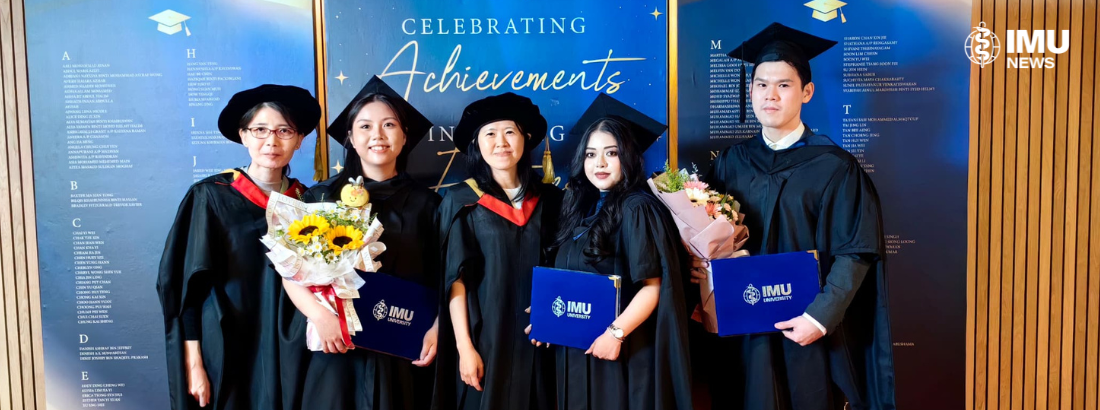
Fortunately, I was never alone. My supervisor, A/Prof Koh Rhun Yian (middle), together with devoted lecturers, postgraduate seniors, and fellow researchers, provided unwavering guidance, support, and encouragement throughout the journey.
Their patience, encouragement, and willingness to share their expertise helped me:
- Navigate complex laboratory protocols
- Troubleshoot experimental setbacks
- Refine my scientific thinking
More importantly, they taught me how to approach research with resilience, curiosity, and attention to detail. Their constructive feedback transformed my thesis from a collection of findings into a piece of work I could genuinely take pride in.
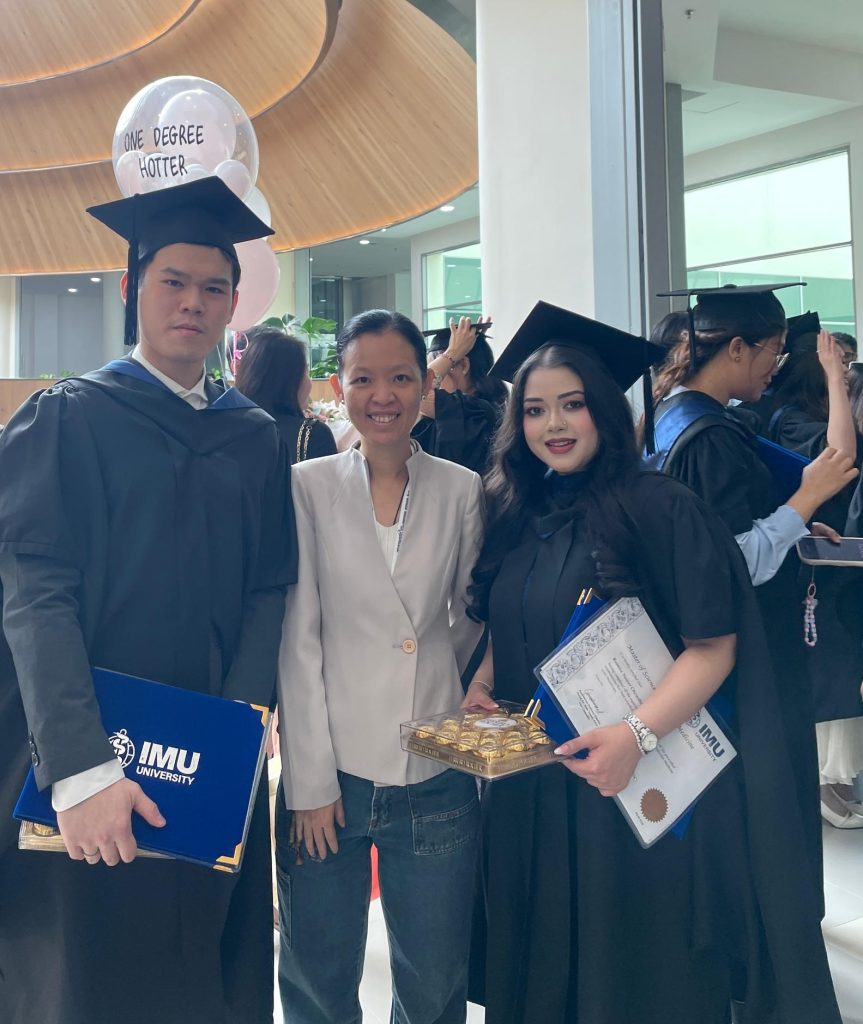
Research deadlines often meant long evenings in the laboratory, but those hours never felt lonely. Some of my fondest memories were formed during conversations with fellow postgraduate students:
- Sharing ideas,
- Discussing scientific challenges,
- Exchanging career aspirations, and
- Occasionally laughing about experiments that refused to cooperate.
Those moments of camaraderie turned demanding days into memorable ones.
International Experience in Japan
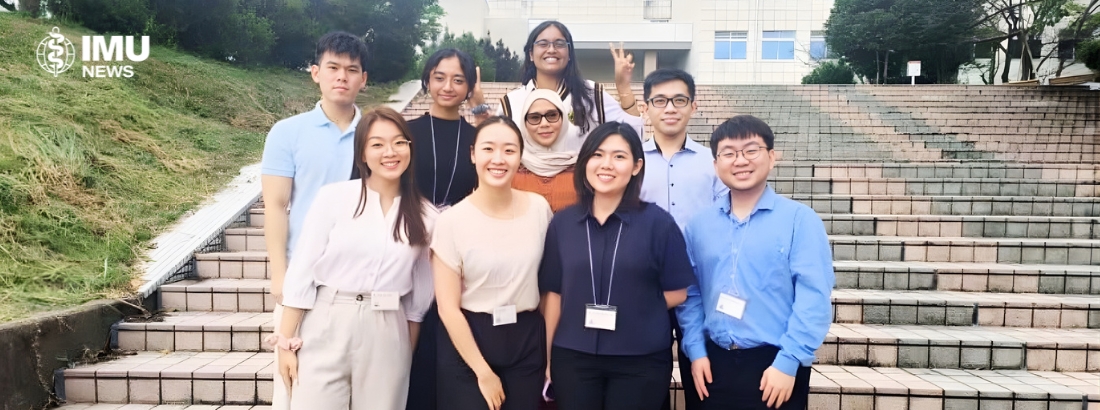
One of the most rewarding opportunities granted by the programme was my participation in the Toyama Scientific Frontier Programme in Japan. Beyond molecular medicine, it exposed me to diverse disciplines, including neuromedicine, broadening both my scientific perspective and global outlook.
Immersion in an international research environment reinforced the importance of interdisciplinary thinking, curiosity, and lifelong learning. Looking back, it was a truly transformative experience, an investment in perspective, growth, and inspiration, with value that extends far beyond the classroom.
Applying My Knowledge
Today, I work as a healthcare marketing and sales executive, where I bridge scientific evidence with practical healthcare communication through clinical data evaluation, scientific education, and engagement with healthcare professionals.
Although my career has shifted beyond the laboratory, my Molecular Medicine training remains at the core of my work. It enables me to look beyond what a product does and critically understand how it works, from molecular pathways and cellular targets to pharmacological mechanisms and clinical relevance. This foundation strengthens my ability to evaluate evidence, translate complex science into clear and meaningful insights, and communicate effectively with both clinical and commercial audiences.
More importantly, it has given me a scientific lens through which I can interpret healthcare innovation, bridging molecular discoveries with real-world patient outcomes and translating complex science into meaningful impact.
Future Career Goals
Looking ahead, I aspire to transition into a Medical Scientific Liaison (MSL) role, driven by a strong passion for scientific exchange, engaging with research, and contributing to high-impact scientific dialogue developed throughout my postgraduate journey. The MSL role aligns closely with this passion, offering the opportunity for:
- Peer-to-peer scientific engagement,
- Support of evidence-based decision-making, and
- Bridging research, industry, and healthcare practice.
Meanwhile, my current industry experience serves as a vital stepping stone, with each project and interaction strengthening my understanding of the healthcare landscape and sharpening my ability to translate complex science into clear, impactful communication.
Beyond that, I hope to pursue a PhD in the future.
A Lifelong Commitment to Learning
My master’s degree taught me something profound. Learning is not a phase of life; it is a way of life. The more knowledge I acquire, the more possibilities I discover. Continuous learning keeps me curious, motivated, and purposeful. For me, intellectual growth is not simply about career advancement, it is about constantly evolving into a better version of myself.
If there is one piece of advice I would offer future students, it is this: embrace every stage of your journey with intention. Whether studying, researching, or working in industry, never allow yourself to become a passive observer of your own growth. Every challenge is a chance to learn, and every setback carries a lesson worth uncovering.
The world around us is constantly evolving. Somewhere, someone is learning a new skill, discovering a new solution, or adapting to a new challenge. Growth is not optional, it is essential.
- Stay curious.
- Stay adaptable.
- Seek knowledge relentlessly, not because you have to, but because it empowers you to create meaningful impact.
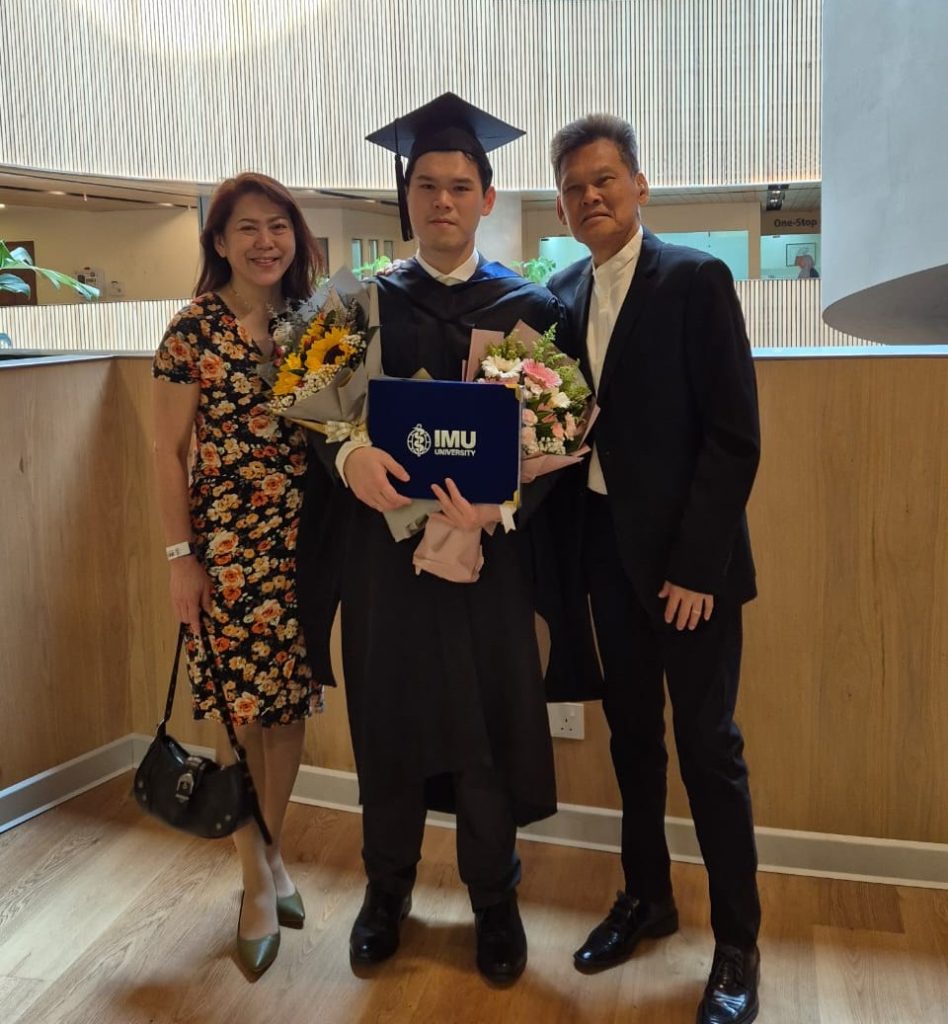
Most importantly, remember that education does not end with graduation.
The degree you receive is not the conclusion of your learning journey. It is merely the beginning.
- Keep asking questions.
- Keep seeking answers.
- Keep growing.
Because, in the end, the most important investment you will ever make is in your own potential.
Written by Joshua Low Jun Yi who graduated with Distinction on 4 July 2026.
Thoughts Shared