


At a Glance
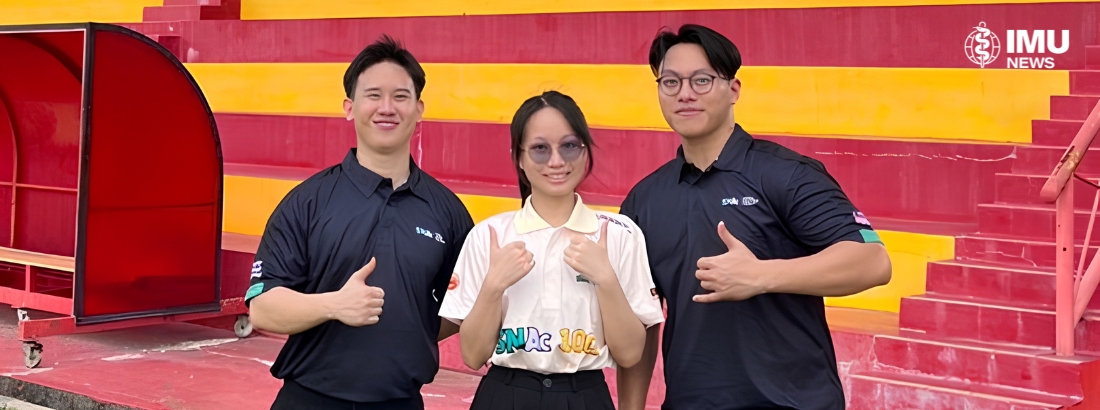
- Five final-year IMU University Dietetics with Nutrition students completed an eight-week internship at Sports Nutrition Academy (SNAc).
- The internship combined sports nutrition education, athlete assessments, school nutrition projects and field-based learning.
- Students gained experience in body composition assessment, hydration testing, athlete nutrition planning and nutrition education.
- The placement strengthened their communication and practical skills in sports dietetics.
An Eight-week Internship at Sports Nutrition Academy
Five final-year Dietetics with Nutrition students (DN122) from IMU University, had the opportunity to complete an eight-week internship at Sports Nutrition Academy (SNAc), where we experienced the transition from classroom learning to real-world sports nutrition practice.
The internship combined intensive foundation training in sports nutrition with practical onsite experiences in athlete education, food service, hydration assessment, and field work at schools and sports organisations. Through presentations, hands-on projects, and direct athlete engagement, we gained valuable insight into applying evidence-based nutrition strategies to support health, performance, and recovery in active individuals and athletes.
Students in this Placement
Han Wen Chou
Lim Enn Xi
Emily Hea En Yu
Goh Jun Ying
Siah Chun Yong
Building a Strong Foundation in Sports Nutrition
Our internship began with an intensive orientation led by Ms Tania and Ms Hui May, where we were introduced to the specialised field of sports nutrition. The early phase of the internship focused heavily on strengthening our technical foundation through practical modules and applied learning activities, including:
- Anthropometry and body composition measurements
- The complexities of sports periodization
- Food exchanges tailored for athletes
Applying Sports Nutrition to Different Sporting Disciplines
As part of our sport-specific presentation project, we dedicated significant time to researching the physiological and nutritional demands of various sports including:
- Cricket
- Fitnessracing(HYROX)
- Handball
- Modern pentathlon
- Waterskiing,and
- Wakeboarding
Each of us was assigned a case study, which required us to apply theoretical knowledge to a specific athlete profile and design individualised nutrition strategies.
Through this process, we developed a deeper understanding of the sports requirements, unique energy systems, physiological and competition preparation specific to each sport.
More importantly, we strengthened our ability to analyse performance demands, interpret training phases, and develop evidence-based nutrition recommendations tailored to both the athlete and the sport.
Improving Nutrition in School Food Environment
One of our key side projects focused on improving the school dining experience and encouraging healthier eating habits among students at an international school. Through student and teacher feedback collected, we identified several barriers to healthy eating, including:
- Foodpreferences,
- Vegetableacceptance,and
- Portion-related
We have also collected students’ anthropometric measurements to better assess their nutritional status and needs.
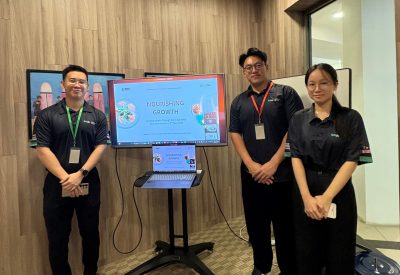
The project also aimed to improve the nutritional competency of kitchen staff through pre-and post-nutrition assessments and educational sessions covering the:
- Healthy Plate concept,
- Healthier cooking methods,
- Portioning techniques, and
- Balanced meal preparation.
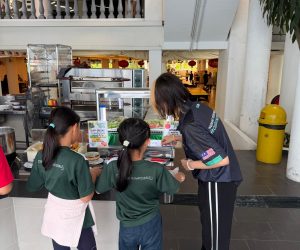
We provided practical recommendations, including age-appropriate portion sizes, improvements to vegetarian menu options, and healthier menu modifications.
In addition, we explored strategies to improve students’ acceptance of fruits and vegetables through better food presentation and “stealth health” approaches by incorporating nutritious ingredients into familiar dishes.
This experience highlighted the importance of combining nutrition education, food service improvements, and behavioural strategies to support healthier school dining environments.
This project offered a fascinating look at the “real-world” eating habits of students in a communal dining setting, providing a baseline for how nutritional environments can influence food choices.
Educational Talk: Nutrition and Hydration Strategies for Cross-Country Athletes
As part of the university project, we observe athletes’ fuelling and hydration practices before, during, and after exercise. Through direct observation and informal interviews, we identified several practical gaps, including:
- Inadequate pre-training carbohydrate intake,
- Inconsistent fluid replacement during training, and
- Insufficient post-training protein
These findings formed the basis of our sports nutrition education session, ensuring that the content addressed real challenges faced by the athletes rather than focusing solely on theoretical concepts.
The education session for student athletes and parents covered:
- The importance of macronutrients,
- Fuelling and recovery strategies,
- Meal timing before, during, and after training and competition,
- Hydration practices and the impact of dehydration on performance and recovery.
We also facilitated a Q&A session, which allowed athletes to clarify misconceptions and relate the information directly to their own training routines. This experience strengthened our confidence in delivering structured, evidence-based content while ensuring it remained practical and relevant to the athletes’ daily practices.
Field Work with Athletes: Assessing Hydration Practices and Strategy Implementation
In preparation for the MSSD Cross Country Competition 2026, we worked closely with the cross-country athletes to assess the effectiveness of the nutrition and hydration education sessions conducted and to observe how well the athletes implemented the recommended nutrition strategies during training and competition.
As part of this process, we conducted hydration assessments during their training sessions by calculating sweat rates to determine each athlete’s fluid loss. Based on these findings, we developed personalised hydration posters with recommendations tailored to each athlete’s:
- Individual needs,
- Training intensity, and
- Environmental conditions.
On competition day, we monitored the athletes’ hydration practices and observed that many were able to apply the strategies discussed during the education sessions, including improved fluid intake awareness and structured hydration practices.
This experience allowed us to evaluate the practical impact of sports nutrition education and reinforced the importance of translating evidence-based recommendations into real-life athletic performance settings.
Supporting Professional Development Programmes and Sports Nutrition Events
Throughout the internship, we had the opportunity to support various nutrition education and professional development programmes organised by Sports Nutrition Academy (SNAc).
We assisted in various programmes involving over 150 teachers joining a full day professional development programme. Each intern supported one speaker throughout the event, gaining valuable exposure to large-scale programme coordination involving simultaneous sessions across six halls led by six speakers.
We have also supported the SNAc100 talks conducted for Selangor state hockey players, MBPJ Hockey Academy athletes, and fencers. Our responsibilities included venue preparation, logistics management, arranging materials, photography, and assisting presenters during the sessions.
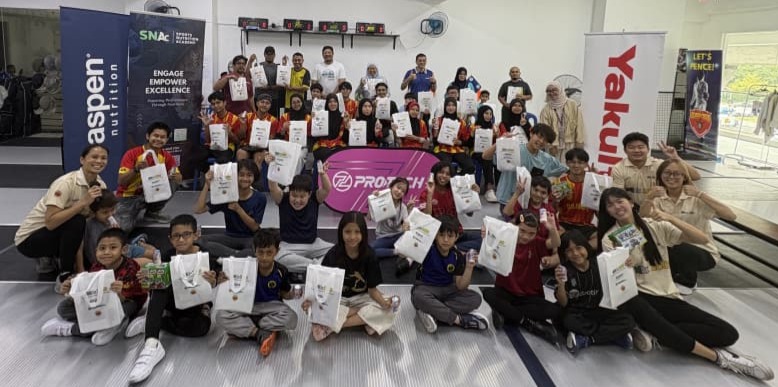
Being involved in these programmes strengthened our understanding of how educational and professional development events are planned and delivered effectively. More importantly, the experience highlighted the importance of communication, teamwork, organisation, and audience engagement in ensuring successful nutrition education initiatives for both educators and athletes.
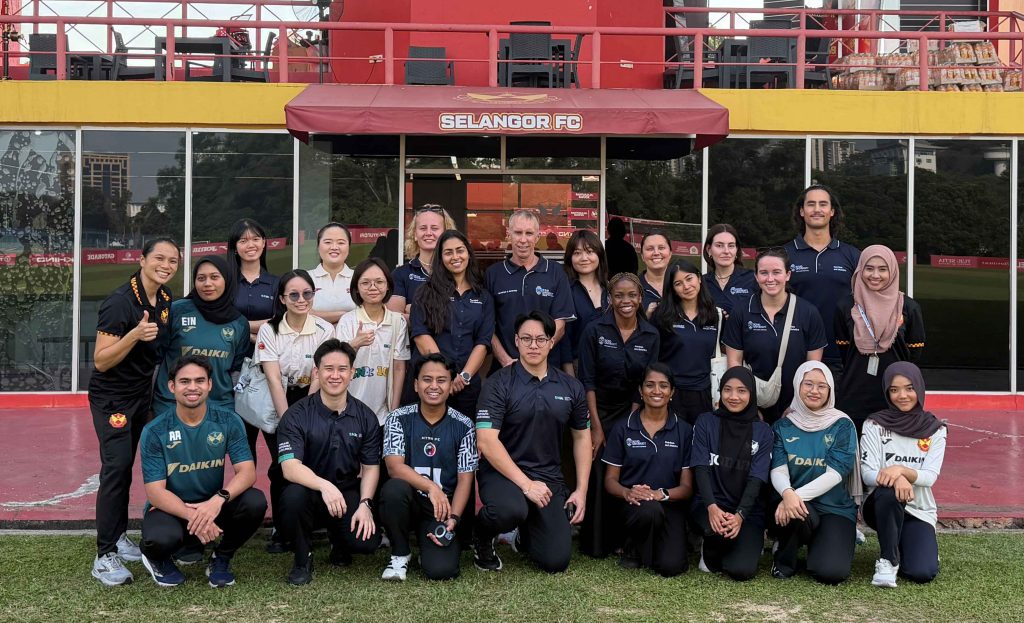
Selangor Football Club (SFC) Visit
We joined Bond University students to visit the Selangor Football Club and received valuable exposure to football training environments and the integration of sport science and nutrition within professional sports.
The visit began with a sports science sharing session at Universiti Teknologi MARA conducted by the Dean of the Faculty of Sport Science, who discussed the role of sport science in athlete development and highlighted the importance of nutrition within
high-performance systems. We were also introduced to the Sports Nutrition Unit by the Head of Nutrition, who explained how nutritional strategies are implemented to support athlete performance and recovery.
We had the opportunity to watch the football training and observed the practical application of sport science and nutrition within a professional football environment and. This experience deepened our understanding of how nutrition supports training, recovery, and competition demands within elite sport settings.
From Interviews to Social Media
Our internship experience extended beyond the field and into digital communication. We had the opportunity to interview sports nutritionist, Ms Kamsina on Ramadan nutrition and hydration.
Using insights gathered from the interview alongside our own research, we developed evidence-based social media content aimed at making sports nutrition information more accessible and engaging for athletes:
- Wen Chou designed an Instagram post featuring Ms Kamsina’s nutrition talk.
- Enn Xi produced a video summarising the interview content in a concise and practical manner.
This experience allowed us to appreciate the importance of science communication and the role of social media in delivering nutrition education effectively to wider audiences.
Preparing for Careers in Sports Dietetics
This internship taught us that being a sports dietitian requires more than scientific knowledge alone. It demands resilience, adaptability, teamwork, professionalism, and genuine dedication. As SNAc is a first service-based nutrition company, we also gained valuable insight into the need for adaptability, creativity, and multidisciplinary collaboration to build and sustain sports nutrition services within an entrepreneurial environment.
From late nights perfecting presentations to conducting hydration assessments under the sun, we experienced first-hand the level of commitment required in the field of sports nutrition. Seeing athletes successfully apply their personalised hydration plans during competition was especially rewarding, as it reminded us that meaningful impact often happens behind the scenes.
Most importantly, this internship strengthened our ability to transform technical nutrition knowledge into practical, actionable solutions across different environments and populations. The experience not only enhanced our professional skills, but also reinforced our passion for pursuing careers in sports nutrition and athlete performance support.
Written by: Han Wen Chou, Lim Enn Xi, Emily Hea En Yu, Goh Jun Ying & Siah Chun Yong
BSc. (Hons) in Dietetics with Nutrition Students, IMU University
Thoughts Shared