


Artificial Intelligence (AI) is reshaping the healthcare workforce by automating routine tasks, enhancing clinical decision-making, and creating entirely new career paths. In Digital Health, AI integration is driving demand for professionals skilled in both healthcare and data science, opening opportunities in areas like predictive analytics, algorithm development, and ethical AI governance. Similarly, in Pharmacy, AI is shifting the professional focus from manual dispensing to advanced clinical support, telepharmacy, and personalised patient care.
As these changes unfold, higher education institutions like IMU University are proactively adapting their curricula to prepare students for an AI-augmented future, ensuring graduates are equipped not only with technical skills but also with ethical awareness, interdisciplinary knowledge, and a patient-centred mindset.
This article explores how AI is transforming job opportunities and how IMU University students can prepare to thrive in this evolving landscape of Digital Health and Pharmacy.
Digital Health
How is AI reshaping careers in the Digital Health field?
Artificial Intelligence (AI) is rapidly transforming the landscape of Digital Health, creating a wide array of new job opportunities while reshaping existing roles. From clinical decision support systems and predictive analytics to personalised medicine and administrative automation, AI is being integrated into nearly every aspect of healthcare delivery. As a result, we are seeing an increased demand for professionals skilled in both healthcare and data science — such as health data analysts, clinical informaticists, healthcare AI solutions architects, and healthcare AI researchers.
In the near future, AI will not only enhance patient care but also open new career pathways in algorithm development, ethical AI governance, and digital therapeutics. As healthcare systems become more data-driven, there will be a strong need for interdisciplinary experts who can bridge the gap between technology and patient care.
With AI evolving rapidly, how is the Digital Health curriculum at IMU University evolving to match the pace of AI innovation?
At IMU University, we have proactively adapted our Bachelor in Digital Health (Hons) curriculum to align with emerging AI trends. Our programme integrates core modules in artificial intelligence, machine learning, data analytics, and health informatics. We emphasise practical, hands-on experience through projects using real-world healthcare datasets and Internet of Medical Things (IoMT).
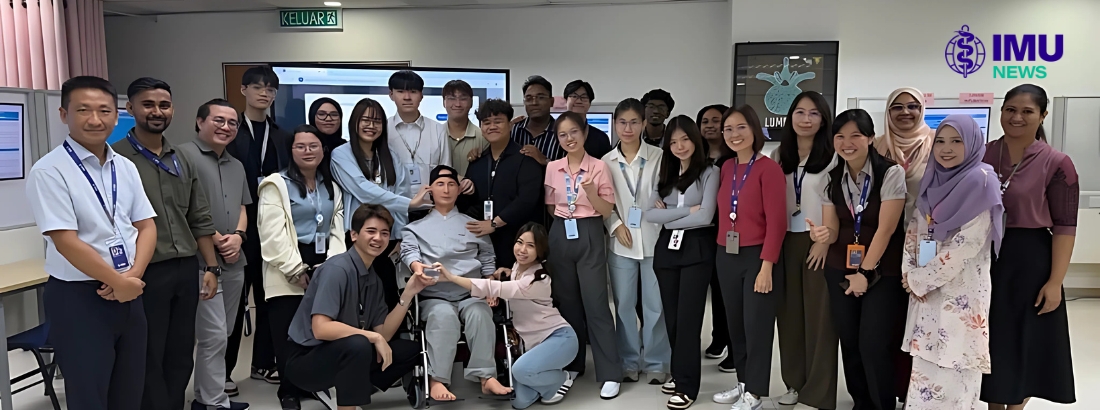
In addition, we continuously enhance our teaching methods by incorporating industry-relevant tools such as Python for data analysis, Power BI/Tableau for health data visualisation, and other programming languages relevant to clinical system development, alongside case-based learning, participation in hackathons and experiential visits to the Clinical Skills and Simulation Center (CSSC).
Students also undertake real-world projects in collaboration with industry partners allowing them to apply these tools in practical healthcare settings. Our goal is to ensure that students are not only consumers of technology but also active contributors to innovative healthcare solutions driven by AI and digital transformation.
In the AI-driven future, how can Digital Health students best position themselves to thrive and lead?”
To thrive in the AI-powered healthcare landscape, students in Digital Health should cultivate a strong foundation in both health sciences and digital technologies. This includes certifications, lifelong learning and developing skills in programming, data visualisation, machine learning, and critical thinking. At IMU University, the platforms for continuous learning and certifications are widely available for upskilling in AI in healthcare. Just as important is an understanding of ethics, privacy, and regulatory frameworks to ensure responsible AI use in patient care.
We encourage students to engage in interdisciplinary learning, participate in hackathons and research, and stay current with the latest AI trends, tools and emerging technologies such as telemedicine, blockchain, IoT and wearables in healthcare.
By being adaptable, innovative, and ethically grounded, students will be well-positioned to lead the next generation of AI-driven healthcare transformation.
Pharmacy
How is AI reshaping careers in the Pharmacy field?
AI has already begun transforming the pharmacy profession, and its influence will continue to grow. It is reshaping—but not replacing—the pharmacy workforce, shifting the focus toward analytical thinking and consultative roles rather than routine dispensing. This transformation can be seen in several key areas:
- Automation of Routine Tasks:
AI is streamlining repetitive pharmacy operations such as prescription verification, inventory management, and claims processing, reducing the need for manual labour but allowing pharmacists to focus more on clinical and patient-centred roles.
- Enhanced Clinical Support and Patient Care:
AI tools assist in analysing patient data for drug therapy optimisation, detecting adverse reactions, and identifying medication trends, enabling more personalised and effective patient care.
- Emerging Roles and Opportunities:
As traditional tasks are automated, new roles are developing in areas like telepharmacy, AI system implementation, data analysis, and research, expanding the professional scope for pharmacists.
- Need for Continuous Learning:
The evolving landscape requires pharmacists to upskill, particularly in digital health and AI technologies, emphasising the importance of ongoing education in areas such as medication therapy management and health informatics.
With AI evolving rapidly, how is the Pharmacy curriculum at IMU University evolving to match the pace of AI innovation?
IMU is actively integrating digital health and AI-related subjects into its pharmacy curriculum, aiming to equip future pharmacists to work alongside AI rather than compete with it. Although the exact details may continue to develop, the following are key areas where IMU has embraced AI within its pharmacy education and teaching:
- Interdisciplinary Education:
Integrating health informatics, biostatistics, and data literacy into pharmacy curricula equips students with the analytical and digital competencies needed to navigate and contribute to data-driven healthcare systems.
- Digital Health Modules:
Incorporating topics like telepharmacy, electronic health records (EHR), and AI-assisted clinical tools into coursework or elective modules equips pharmacy students with practical knowledge and digital competencies essential for delivering efficient, technology-integrated patient care in modern healthcare settings.
- Research and Innovation Exposure:
Encouraging pharmacy students to engage in research involving AI applications in drug discovery, pharmacovigilance, and patient care optimisation fosters innovation and critical thinking, while preparing them to contribute to the development of safer, more effective, and personalised healthcare solutions.
- Soft Skills Focus:
Strengthening communication, critical thinking, and ethical reasoning ensures that future pharmacists can navigate complex clinical scenarios, build trust with patients, and make morally sound decisions, the areas where human judgment and empathy continue to surpass the capabilities of AI.
In the AI-driven future, how can Pharmacy students best position themselves to thrive and lead?”
By combining digital proficiency with compassionate patient care, pharmacy students can establish themselves as vital contributors in an AI-driven healthcare environment. To thrive alongside AI advancements, pharmacy students should:
- Learn Digital Tools:
Learning digital tools such as health informatics systems, data interpretation techniques, and basic coding or analytics platforms like Excel, Python, and R enables pharmacy students to efficiently manage clinical data and support evidence-based decisions.
- Focus on Patient-Centred Care:
Emphasising empathy, counselling, and communication nurtures the human connection essential in pharmacy practice, allowing pharmacists to provide personalised care, address emotional and psychological aspects of health, and build meaningful patient relationships, the capabilities that remain beyond the reach of AI.
- Stay Updated:
Following AI trends in healthcare through journals, conferences, and online courses in digital health or AI in pharmacy helps students and professionals stay updated on emerging technologies, understand their practical applications, and remain competitive and adaptable in a rapidly evolving healthcare landscape.
- Pursue Lifelong Learning:
Committing to continuous professional development ensures that pharmacists remain knowledgeable about evolving technologies and their ethical implications, enabling them to adapt responsibly, uphold professional standards, and provide safe, informed care in an increasingly digital healthcare environment.
- Collaborate Across Fields:
Collaborating with data scientists, clinicians, and IT professionals allows pharmacists to integrate their pharmaceutical expertise into interdisciplinary teams, helping to design, interpret, and implement technological solutions that enhance patient care and ensure clinically relevant, patient-centred outcomes.
We sincerely thank the Programme Directors of the respective programmes, Dr Fong Pui Kwan and Dr Cheong Siew Lee for their valuable contributions to this article.
Thoughts Shared