


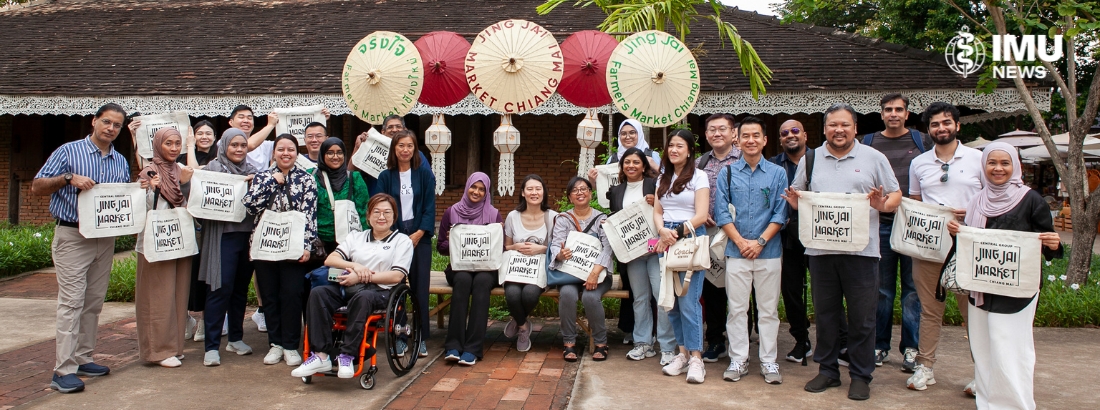
The MBA in Healthcare Management (MBAHM) immersion programme in Chiang Mai from 14–17 November 2025 offered IMU students a rich, hands-on learning experience that brought healthcare management concepts to life. Organised by the School of Business and Technology (SOBT), the fully sponsored programme immersed students in a dynamic wellness and healthcare ecosystem, where theory met practice through direct exposure to integrative care models, community-based wellness initiatives, and culturally rooted health practices.
Through reflective insights shared by Dr Abdullah Asad Siddiqui and Geh Chuen Ching Jessie, the experience highlights how experiential learning, sustainability, cultural sensitivity, and holistic care play a vital role in shaping effective, globally aware healthcare leaders.
Dr Abdullah Asad Siddiqui
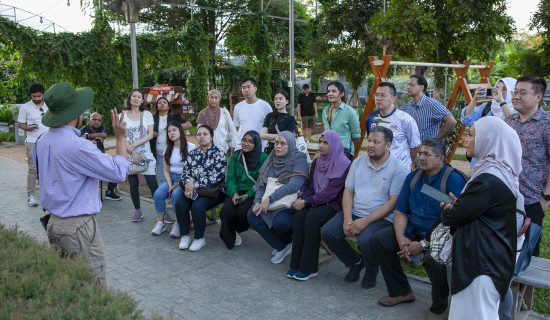
One of the key benefits of the MBAHM immersion programme is its ability to bridge theory and practice. Concepts discussed in class, such as integrative healthcare models, wellness service design, patient-centred care, and sustainable healthcare businesses, were no longer abstract ideas. Through direct engagement with wellness centres, traditional healing practitioners, and modern integrative care settings in Chiang Mai, these concepts were experienced, analysed, and critically reflected upon in practice.
The four-day immersion programme in Chiang Mai, organised under the School of Business and Technology’s (SOBT) MBA in Healthcare Management (MBAHM) programme at IMU, was a powerful example of how experiential learning enhances management education in healthcare. The immersion programme transformed classroom learning into applied understanding by placing students directly within a real-world wellness and healthcare ecosystem.
The programme also strengthened managerial and leadership competencies essential for healthcare professionals. By observing how wellness services are structured, delivered, and regulated within a different cultural and healthcare context, students gained valuable insights into operational workflows, quality assurance, customer experience, and the integration of traditional practices with evidence-based medicine. This exposure enhanced our ability to evaluate healthcare services from both a clinical and management perspective.
Another significant benefit of the immersion programme was its emphasis on holistic and preventive healthcare as an increasingly important focus in global health systems. Experiential sessions, such as traditional Thai massage, mindfulness practices, herbal medicine demonstrations, and sound therapy, offered a deeper appreciation of how holistic interventions contribute to mental well-being, stress reduction, and long-term health outcomes. These experiences reinforced the relevance of integrative care models in improving patient experience and healthcare sustainability.
Notably, the SOBT MBAHM immersion programme fostered reflective learning and professional growth. Being immersed in Chiang Mai’s wellness culture encouraged students to critically assess how cultural context, service design, and patient engagement influence healthcare delivery. This broadened perspective is invaluable for future healthcare managers who must operate in diverse, multidisciplinary, and global environments.
Overall, the Chiang Mai immersion programme exemplifies the strength of IMU’s MBAHM curriculum in preparing healthcare leaders who are not only theoretically grounded but also practice-ready. By integrating experiential learning into the programme, SOBT ensures that students graduate with the competence, confidence, and insight needed to translate knowledge into effective healthcare leadership and management in the real world.
Geh Chuen Ching Jessie
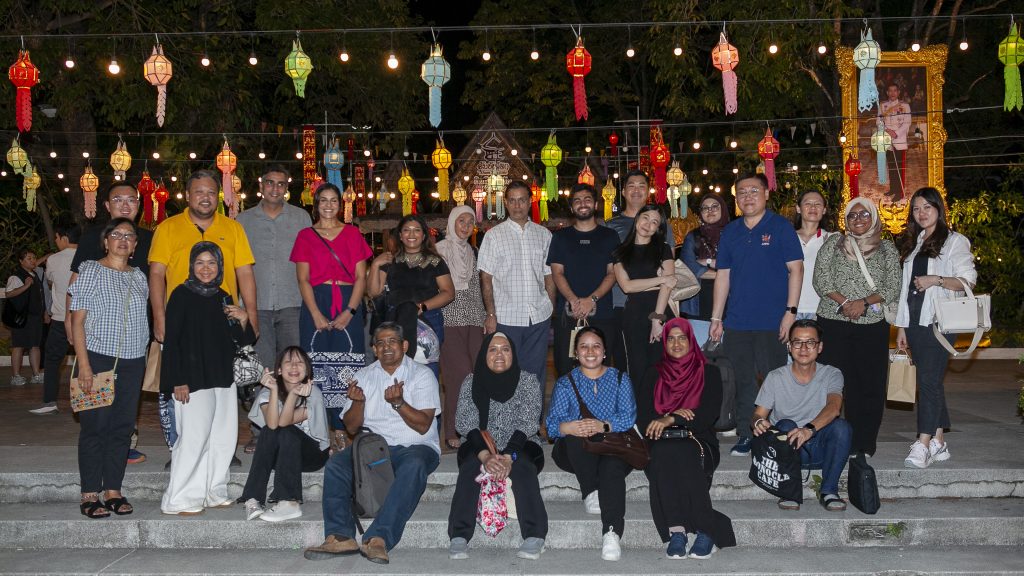
The IMU MBA in Healthcare Management (MBAHM) immersion programme in Chiang Mai provided four days of holistic learning, cultural engagement, and meaningful professional insight. The experience offered a valuable opportunity to observe how community-driven practices contribute to sustainable health and wellness systems.
Throughout the immersion programme, we witnessed the strong commitment of the local community to supporting home-grown products, preserving handcrafted traditions, and implementing responsible recycling and waste management practices. These observations highlighted the role of sustainability and social responsibility in building healthier communities, key principles increasingly relevant to healthcare management.
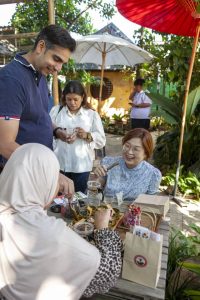
Visits to local markets and a senior wellness centre offered essential insights into how thoughtful environmental and service design can support well-being across the life course. In particular, we gained a deeper understanding of “aging in place” concepts, community-based wellness programmes, mental health support, and the influence of lifestyle and environment on healing and quality of life.
This immersion programme reinforced the importance of integrating cultural sensitivity, sustainability, and holistic care into healthcare planning and management. It also demonstrated how effective healthcare systems extend beyond clinical settings into communities, daily living spaces, and social environments.
Overall, the Chiang Mai immersion exemplified the strength of IMU’s MBAHM programme in developing reflective, globally aware healthcare leaders who are equipped to translate theory into practice. Khop Khun Kha.
Thoughts Shared