


17 November 2025 | IMU Bukit Jalil
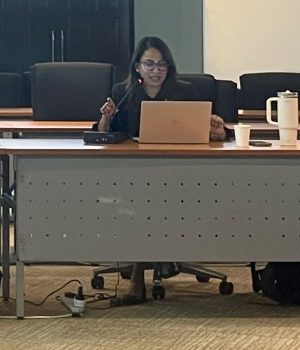
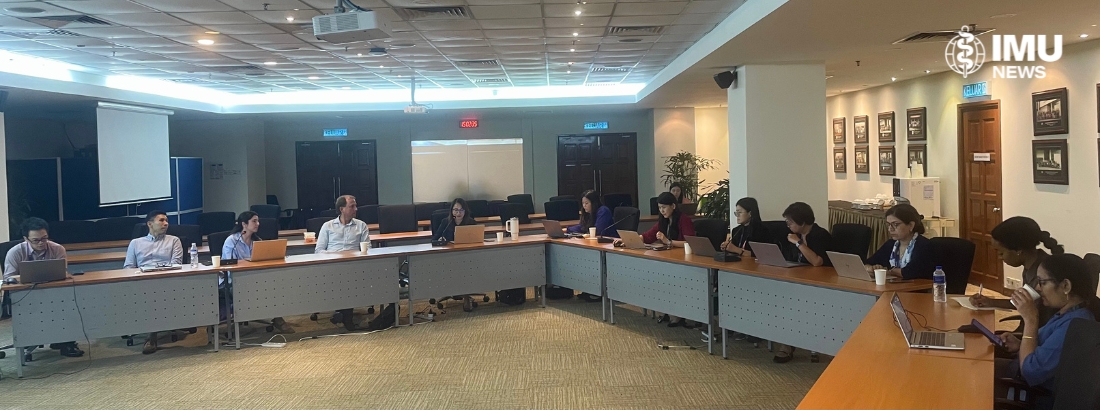
On 17 November 2025 at 2:00 PM, another impactful session of the MIND (Meet, Inspire, Network & Discuss) series was held at the Senate Room of IMU University. This hybrid event, boasting a list of renowned researchers from Deakin University of Victoria, Australia as speakers, attracted a diverse audience of students, academics, research collaborators, and staff for an enriching scholarly exchange on the roles of exercise and nutrition in chronic diseases. The session was moderated by IMU’s Prof Geeta A/P Appannah, and kicked off with remarks by Dr Tan Sze-Yen of Deakin University.
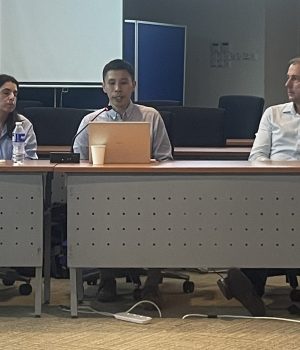
Dr Tan delivered a compelling overview of Deakin University, emphasising the institution’s aspiration to enable a healthy and sustainable world through research excellence. The involvement of Deakin University in this MIND series instalment is extraordinarily meaningful as 2025 marks the 10-year anniversary for Deakin University’s Institute for Physical Activity and Nutrition (IPAN). Over the past decade, IPAN has left research footsteps globally in preventing and managing chronic conditions.
Prof Robin Daly: Innovations in Exercise and Nutrition for Chronic Disease Prevention and Management
The spotlight then shifted to Prof Robin Daly, who serves as the Chair in Exercise and Ageing at Deakin University’s School of Exercise and Nutrition Sciences. He leads the Musculoskeletal Health and Mobility Research Group and is a prominent member of the IPAN, bringing over 30 years of experience in clinical and translational research. In his presentation, “Innovations in Exercise and Nutrition for Chronic Disease Prevention and Management: Lessons Learned from Interventions, Implementation, and Using Technology”, Prof Daly highlighted the pursuit of longevity through exercise and nutrition, while underscoring some of the key challenges in chronic disease (osteoporosis, type-2 diabetes, etc.) prevention.
Here are the key points of Prof Daly’s presentation:
- Importance of improving functional mobility, as research has shown muscle health as significant predictor of chronic disease outcomes
- Muscle function may be more important than muscle mass when it comes to reducing risks associated with aging and chronic conditions
- Slow, weak individuals are at higher risk for developing various health complications
- Identifies adherence and implementation of exercise and nutrition protocols as major challenge in chronic disease management
- Years of research led to development of several digital health tools such as Osteo-cise and TeleFFit
- By incorporating digital health based on research into interventions, Prof Daly and his team continue to bridge these gaps and provide more accessible, remote options for individuals to manage their health, especially those with chronic conditions
Thoughtful concerns were raised during the Q&A session including one about the limited suitability of digital health solutions as a one-size-fits-all approach. Prof Daly acknowledged this challenge, and emphasised the importance of preparing a broad suite of solutions, including digital health tools, to accommodate different patient needs and preferences. Another question addressed the sustainability of digital health platforms beyond initial free trials. In response, Prof Daly suggested that one way to ensure the ongoing accessibility and viability of these platforms is through partnerships with government bodies or private clinics. He also proposed a selective subscription model, where users could choose to pay varying amounts depending on the specific services or features they wish to access.
Dr Elena George: Lifestyle as a Lever for Metabolic Health
On the other hand, Dr Elena George of Deakin University is an Advanced Accredited Practising Dietitian and Course Director for the Master’s of Dietetics programme. She ranks among the top global researchers in her field, is recognised internationally for her expertise in fatty liver disease, lifestyle interventions, and culturally tailored dietary approaches. Following this, Dr George presented her talk titled “Beyond the Liver: Lifestyle as a Lever for Metabolic Health”, focusing on non-alcoholic fatty liver disease (NAFLD), or metabolic dysfunction-associated fatty liver disease (MAFLD). She highlighted that MAFLD affects approximately 30% of Malaysia’s population, with local patients presenting the disease almost 10 years earlier than the global average. Alarmingly, MAFLD is associated with a 69% increase in overall mortality, therefore a comprehensive national strategy for the management of this growing health burden is very crucial.
Here are the key points of Dr George’s presentation:
- Critical role of lifestyle intervention, which remains the cornerstone of MAFLD management
- While lifestyle modification is effective, it can be uniquely challenging in those lean MAFLD patients, who often have limited weight-loss capacity, making conventional weight-based targets more difficult to achieve
- Outlined importance of a multi-dimensional approach, incorporating regular physical activity, adequate sleep, improved diet quality, and sustainable weight management
- Despite global evidence supporting the Mediterranean diet, research evaluating its feasibility and impact within Asian populations remains limited, underscoring the need for culturally adapted dietary models.
- Issues surrounding long-term sustainability, patient adherence, and gaps in knowledge among general practitioners (GPs) were also identified as major barriers to effective management
One participant asked about the role of co-design, particularly how to involve community members without a scientific background in the development of lifestyle interventions. Dr George emphasized that meaningful co-design requires collaboration with non-scientific communities, ensuring interventions are culturally appropriate, acceptable, and grounded in real-world experiences. Another question focused on prevention strategies, to which she highlighted the importance of early education, accessible screening, and community-level engagement. She also discussed the potential of peer support networks, noting that peer-led initiatives can significantly enhance motivation, accountability, and long-term adherence to lifestyle changes.
Through the insightful presentations by delegates of Deakin University, attendees gained a clearer understanding of the evolving landscape of exercise, nutrition, and lifestyle-based interventions in combating chronic diseases. Equally important were the thoughtful discussions sparked during the Q&A segment, which highlighted the ongoing challenges and opportunities in translating research into meaningful, sustainable health solutions.
The presence of Deakin University’s delegates also opened the door to meaningful conversations about future collaborations between IMU and Deakin. Key outcomes of the discussions included plans for joint initiatives. These involve the integration of Deakin’s research approaches into IMU’s Seremban Diabetes (SeDia) Cohort and the development of collaborative scientific manuscripts.
This MIND session not only enriched scholarly understanding and celebrated scientific excellence, but also highlighted IMU’s and Deakin’s continuous pursuit to champion impactful research and education.
Submitted by Gladys Yau (丘迎嬡) & Brian Wong (黄浩德)
Thoughts Shared