


At a Glance
- IMU University Dietetics with Nutrition students completed a community placement at Klinik Kesihatan Seremban 2 (KK Seremban 2).
- The placement provided hands-on experience in primary healthcare, nutrition counselling, health promotion and multidisciplinary care.
- Students participated in outpatient consultations, domiciliary visits, community outreach and nutrition education programmes.
- They developed educational resources and delivered health promotion activities for children, adolescents, older adults and individuals with special needs.
- The experience strengthened their clinical, communication and public health nutrition skills while preparing them for professional dietetic practice.
Students in this Placement
Ong Sze Min
Abigail Soon Lee Yen
Lee Ik Ta
Experiencing Community Dietetics in Primary Healthcare
As part of their community dietetics placement, we (3 IMU University Dietetics with Nutrition students) completed a professional placement at Klinik Kesihatan Seremban 2 (KK Seremban 2). The clinic is located in the Seremban 2 township and functions under the administration of the Pejabat Kesihatan Daerah Seremban and the Ministry of Health Malaysia.
As a primary healthcare facility, the clinic provides a wide range of outpatient healthcare services, including:
- Family medicine
- Maternal and child health services (Klinik Kesihatan Ibu dan Anak)
- Pharmacy services
- Dental care
In addition, the clinic also manages chronic conditions such as:
- Obesity
- Diabetes mellitus
- Hypertension
- Dyslipidaemia
- Chronic kidney disease
Understanding the Role of Dietitians in Preventive Healthcare and Long-term Disease Management
Being placed in this setting provided us with the opportunity to observe multidisciplinary care and community-based interventions, gaining a deeper appreciation of how nutrition services contribute to improving health outcomes in preventive healthcare and long-term disease management.
During our community placement at Klinik Kesihatan Seremban 2 (KK Seremban 2), we gained valuable exposure to the diverse roles of dietitians in primary healthcare.
Beyond outpatient consultations, we participated in community outreach programmes, educational material development, domiciliary visits, and health promotion activities involving various population groups.
These experiences allowed us to appreciate how dietitians contribute not only through individual consultations, but also through prevention, education, and community engagement.
Developing Nutrition Education Resources for the Community
A key component of our placement was the development of nutrition education materials on topics such as constipation management, carbohydrate choices, salt awareness, and food exchange systems.
Through the process of researching, designing, and refining these resources with feedback from our supervisors, we learned how evidence-based nutrition information can be translated into practical and engaging messages for the public. This strengthened our communication skills and highlighted the importance of making nutrition information accessible to different audiences.
Learning Through Domiciliary Visits and Home-Based Nutrition Care
We also participated in domiciliary visits, assisting with nutrition assessment and Ryle’s Tube Feeding (RTF) regimen calculations for bedbound patients in their homes. Visiting patients in their own environments provided valuable insights into the social and environmental factors that influence nutrition care, helping us better understand the challenges patients and caregivers may face in implementing dietary recommendations.
Observing Multidisciplinary Healthcare in Practice
Other learning opportunities included:
- Observing Ceramah Bersepadu sessions on Type 2 Diabetes Mellitus (T2DM), dyslipidaemia, and hypertension,
- Attending Continuous Medical Education and Continuous Dietetics Education sessions covering topics such as weight management, secondary stroke prevention, mindful eating, and amblyopia.
We managed to gain the perspective of other dietitians and healthcare professionals and observed how they presented the information in a structured and efficient manner. Through these activities, we gained a broader perspective on multidisciplinary healthcare and the role of continuous professional learning in supporting evidence-based practice.
Promoting Healthy Eating Among Children with Special Needs
![Interactive food-based learning activities conducted at [NS1.1]Kampung LBJ[.](https://imu.edu.my/wp-content/uploads/2026/07/Interactive-food-based-learning-activities-conducted-at-NS1.1Kampung-LBJ-300x300.jpg "Interactive food-based learning activities conducted at [NS1.1]Kampung LBJ[.")
One of the highlights of our placement was collaborating with Klinik Kesihatan Nilai to organise a nutrition education programme at Pusat Dalam Komuniti Kampung LB Johnson for children with special needs and their parents. Together, we developed a Malay recipe booklet featuring simple and nutritious recipes tailored for children with limited food acceptance, as well as interactive games using food models and visual aids. While the activities aimed to promote food exposure and healthy eating habits, the experience also taught us valuable lessons about working with children with special needs.
Patience, flexibility, and creativity are essential when delivering nutrition education. We also gained a deeper appreciation of the challenges surrounding food selectivity, texture sensitivity, and maintaining engagement, reinforcing the importance of tailoring interventions to the needs of each individual and family.
Supporting Healthy Ageing Through Community Nutrition
Another great learning opportunity during our placement was planning visits to two senior citizen’s care centres, Tong Sim Senior and Kepayang Affection Home. We were able to experience measuring body composition analyses as well as providing education on protein sources and importance of exercise to older persons. There were also limitations to overcome, such as frailty among the elderly and the need to convey our messages in a simple, layman-friendly manner. This experience helped us improve our understanding in organising events and care related to the elderly.
Empowering Adolescents Through Nutrition Education
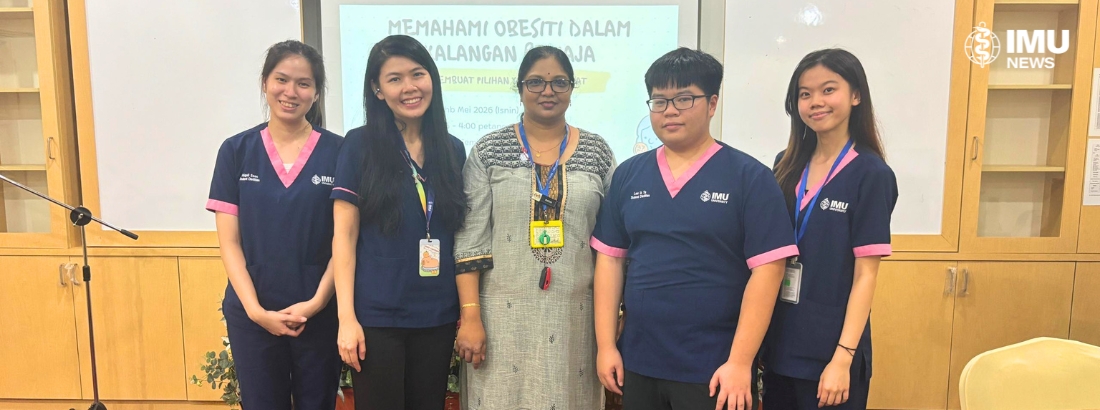
As part of our group education project, we conducted a health education session for adolescents focusing on obesity prevention and the promotion of healthier lifestyle behaviours. The session covered topics such as the
- Caloric content of foods high in fat and sugar,
- Healthier food alternatives,
- The importance of fruit and vegetable consumption, and
- Other lifestyle factors associated with obesity prevention, including regular physical activity, adequate sleep quality, and reduced screen time.
Delivering the session allowed us to apply nutrition knowledge in a practical setting while developing our communication and public speaking skills. We also learned the importance of tailoring health messages to suit the level of understanding and interests of adolescents, using visual aids and interactive discussions to enhance engagement and learning.
A pre-test was administered to assess participants’ baseline knowledge, followed by a post-session quiz to evaluate knowledge gained after the educational talk. Among the 11 participants, all answered at least 50% of the questions correctly, while five participants achieved full marks. These positive outcomes demonstrated the effectiveness of structured nutrition education in improving health knowledge among adolescents.
Reflecting on this experience, we gained valuable insights into the planning, implementation, and evaluation of health promotion programmes. It also reinforced the importance of using appropriate educational strategies and assessment tools to ensure that key nutrition messages are effectively communicated and understood by the target audience.
Preparing Future Dietitians Through Community Placement
Overall, the placement provided valuable exposure to the multifaceted role of dietitians in community healthcare.
Through outpatient consultations, educational resource development, community outreach programmes, and health promotion activities involving children, adolescents, older adults, and individuals with special needs, we gained a deeper appreciation of the importance of nutrition care beyond the hospital setting. The experience strengthened our communication, teamwork, and problem-solving skills while preparing us for future practice as dietitians.
Thoughts Shared