


From 3 to 14 June 2025, four students from the Chinese Medicine programme at IMU – Chan Qi, Cheong Jia Jing, Hue Wai Kay, and Low Tze Ti – had the unique opportunity to participate in the 2025 Shanghai Summer School programme titled ‘探索中医药的神奇之旅,’ organised by the Shanghai University of Traditional Chinese Medicine (SHUTCM).
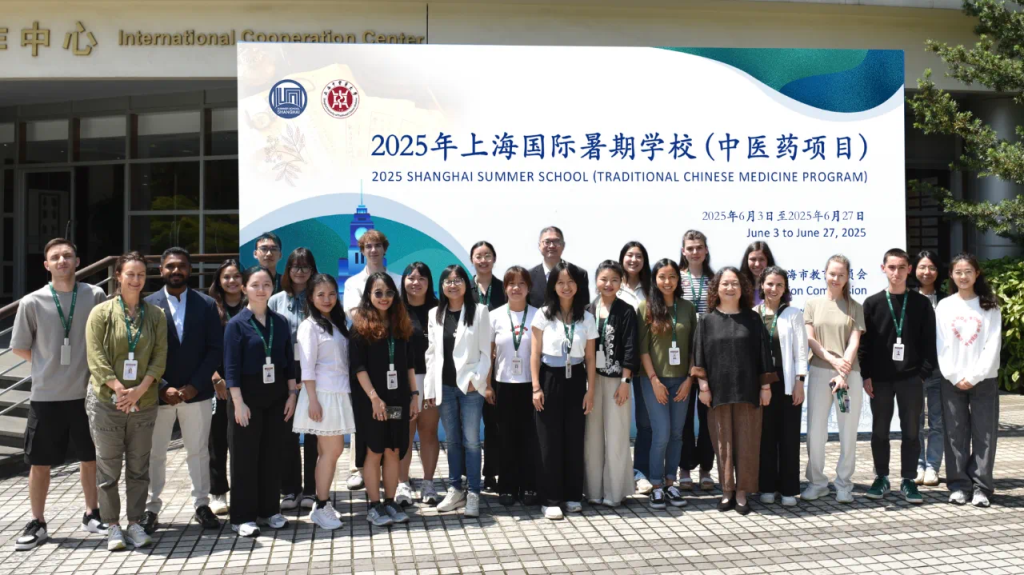
This immersive educational experience brought together students from different countries, including Malaysia, Singapore, Germany, the United Kingdom, the Czech Republic, Mexico, and more, to explore the rich heritage and contemporary applications of Traditional Chinese Medicine.
This programme offered a comprehensive overview of Traditional Chinese Medicine (TCM), providing not only insightful lectures but also hands-on practical sessions. As a group of four we were introduced to fundamental concepts in TCM, including the Yin-Yang theory, the Five Elements, diagnostic methodologies such as pulse and tongue analysis, as well as therapeutic practices like tuina and acupuncture.
In addition to theoretical lectures, we also had the opportunity to learn the Wu Qin Xi (Five Animal Play). Wu Qin Xi is one of a traditional Chinese exercise, introduced by Hua Tuo, that imitates the movement of five animals – tiger, deer, bear, monkey and crane. The aims of practising Wu Qin Xi are to promote Qi and blood circulation, strengthen bones and muscles, and improve physical and mental well-being.
Through various interactive discussions and practical demonstrations, we gained a deeper understanding of the holistic principles of TCM.
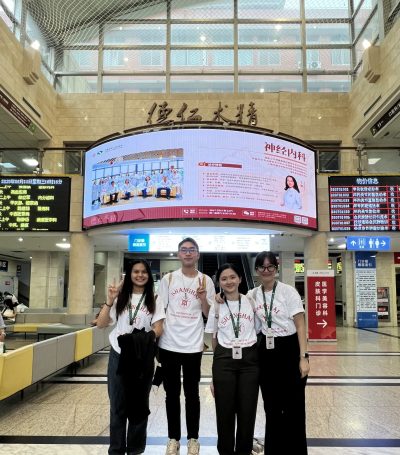
Our summer school also embarked on an enlightening exploration of Shanghai’s integrated TCM ecosystem, visiting three sites where ancient wisdom interfaces with modern technology. At Shanghai Seventh People’s Hospital, an affiliated hospital of SHUTCM, we witnessed the seamless fusion of clinical diagnosis, TCM therapies, and herbal dispensary operations. The hospital’s TCM departments—from nephrology (a national key specialty) to acupuncture rehabilitation—demonstrated evidence-based integration of herbal protocols with Western medicine, underscoring its leading role in holistic medicine. We were fortunate to observe real-time consultations and herbal prescriptions, gaining insight from diagnosis to therapy.
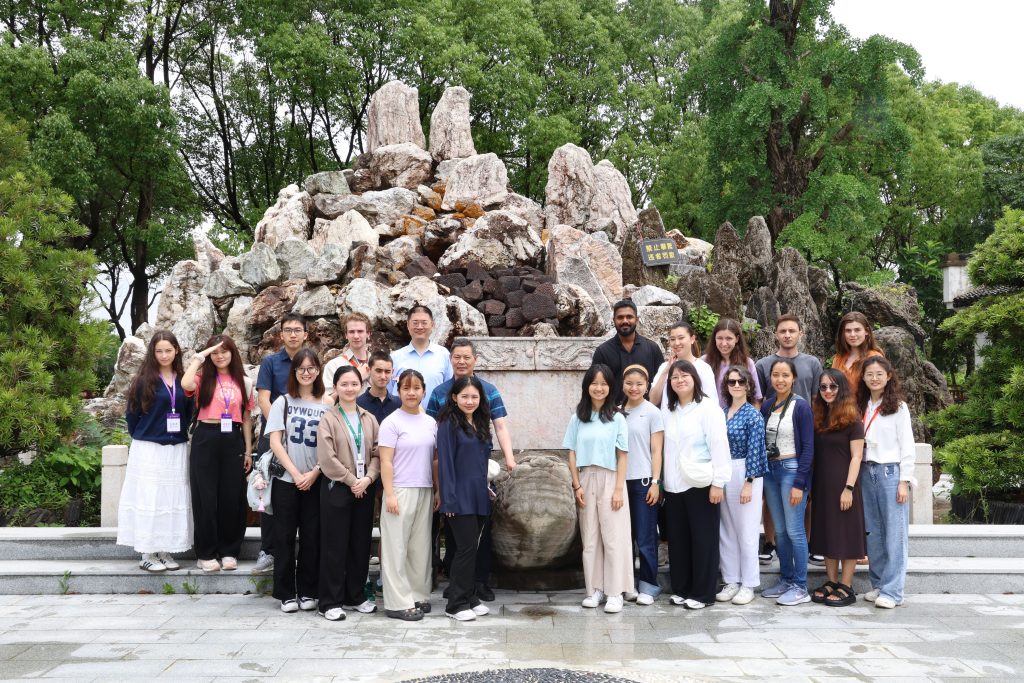
We had the opportunity to visit Yi Da Herbal Garden which offered a vivid, sensory immersion into the botanical essence of TCM. Spanning 350 acres in Kangqiao, this cultural landscape combined medicinal herb cultivation, research, public education, and wellness services. Surrounded by more than 500 species of medicinal herbs, we explored the garden and stepped inside a museum that reconstructed historical practices of herbal processing. From mortar-and-pestle grinding to traditional nine-steam-nine-bask techniques for DiHuang, each exhibit emphasised TCM’s focus on detail and moderation.
Moreover, we also visited Shanghai Kangqiao Chinese Medicine Tablet Co., Ltd., where the modern infrastructure supporting TCM accessibility was revealed. The factory featured semi-mechanised systems and intelligent equipment that streamlined the decoction process, allowing the preparation of thousands of personalised herbal prescriptions daily. Through systems like the “中药安心达” (TCM Safety Assurance) platform, patients’ prescriptions could be tracked and delivered efficiently, arriving at their homes the next day. The visit demonstrated how technology is being thoughtfully integrated into tradition to improve both convenience and patient experience.
Shanghai is a city that blends modern development with centuries of tradition. Through this programme, we were honoured to immerse ourselves in the rich heritage of Chinese culture through hands-on experiences that were both educational and deeply memorable.
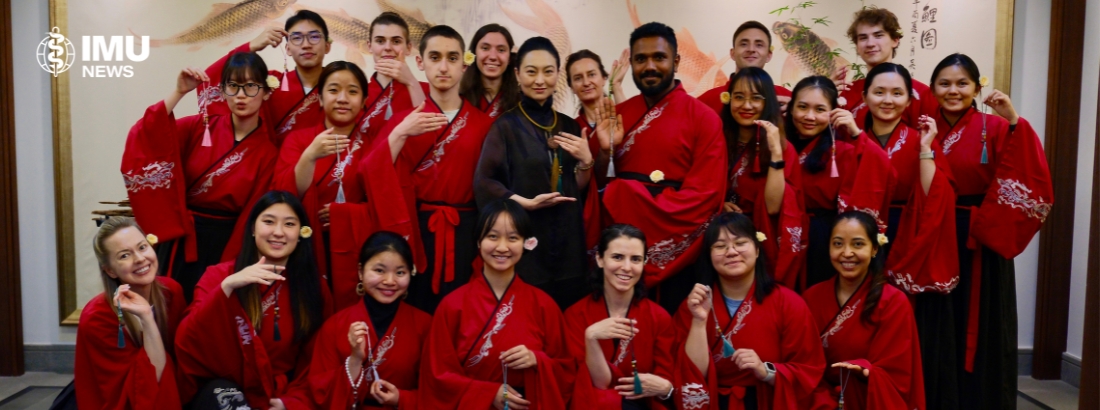
One of the highlights in the programme was joining a Xiang Pai (香牌) workshop, which directly translates to “incense tag.” This activity was carried out at the Shanghai Tang Xiang Cultural Space. Unlike incense pouch (Xiang Nang 香囊), Xiang Pai is a solid incense ornament, often made from herbs and fragrant woods like agarwood or sandalwood. These tags have a long history in Chinese culture, dating back to the Tang and Song Dynasties, where they were used by royalties, scholars and nobles to carry scent as a symbol of elegance. What made the experience even more immersive was we were provided with traditional Chinese clothing to put on during the workshop, which allowed us to feel more connected to the cultural heritage we were exploring.
The combination of scent, symbolism, and traditional attire made this workshop especially memorable and meaningful.
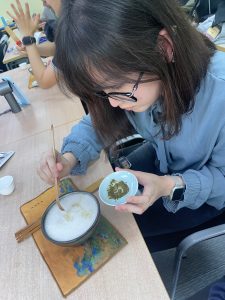
Another unforgettable and educational experience was learning the art of Chinese tea from a skilled Chinese tea expert. We were taught how to brew tea using traditional tools and techniques, and more importantly, the philosophy behind Chinese tea culture, which emphasises on the aspects of harmony, respect, and tranquillity.
This session not only enhanced our existing understanding in tea preparation but also offered insights into how something as simple as tea making can reflect deep-rooted values in the Chinese society.
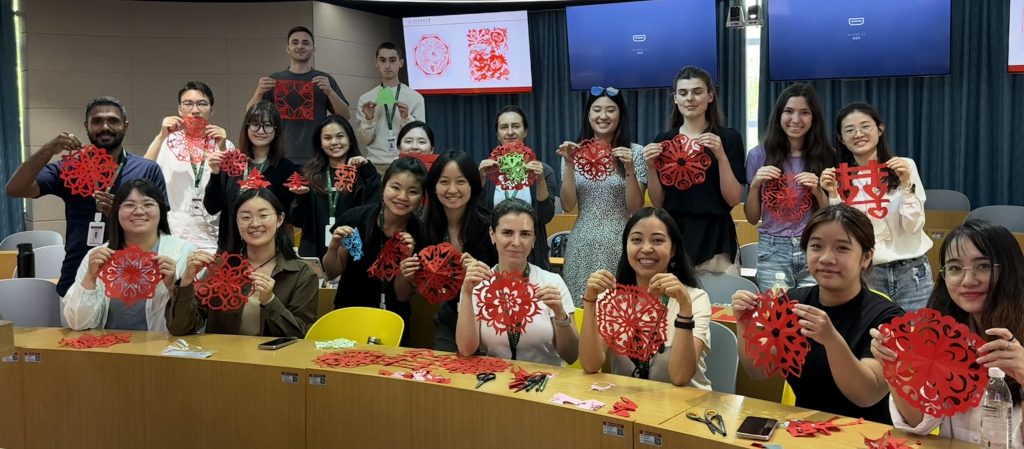
Finally, we also tried Chinese paper cutting, a folk art that symbolizes good luck and celebration. With just red papers and scissors, we created delicate designs, each cut and pieces telling a different and personal story. This activity helped us further understand the significance of symbolism and craftsmanship in everyday Chinese traditions, specifically during festivals.
As part of the summer school programme in China, we had the opportunity to explore several remarkable places beyond Shanghai. This travel experience was not only enjoyable but also added a meaningful layer to our overall learning journey. While based in Shanghai, we visited iconic landmarks such as The Bund and Nanjing Road. It was fascinating to see how the city blends historical architecture with modern development. A special highlight was our visit to Shanghai Disneyland, where we had a chance to unwind, have fun, and enjoy the lighter side of the trip together.
In contrast, Hangzhou offered a much more serene atmosphere. Walking along West Lake and admiring its scenic surroundings gave us a moment to slow down and take everything in. Wuzhen, with its ancient bridges and waterway lanes, felt like a step back in time and 0ffered a glimpse into traditional Chinese life. Suzhou impressed us with its classical gardens and its longstanding connection to silk culture.
Beyond the sightseeing, what truly stood out was how much closer we became as a group. From navigating train stations together to sharing meals and daily conversations, these small moments helped us bond and build stronger friendships. Travelling with peers gave us many shared experiences that made the trip even more memorable.
Participating in the 2025 Shanghai Summer School was an eye-opening and enriching experience for the four of us—one that went far beyond textbooks and lectures.
It allowed us to immerse ourselves in the deep-rooted traditions of Traditional Chinese Medicine and Chinese culture in a way that were educational, cultural and deeply personal. From understanding the core TCM theories to observing integrated clinical practice in a real-life clinical setting, and from making incense tags to sharing tea rituals, every activity in this programme deepened our knowledge and respect for the wisdom embedded in this Chinese society that was passed down for generations.
The friendships we formed, the cultural values we gained, and the knowledge we learned throughout this programme have left a lasting impact on our perspectives as future TCM practitioners.
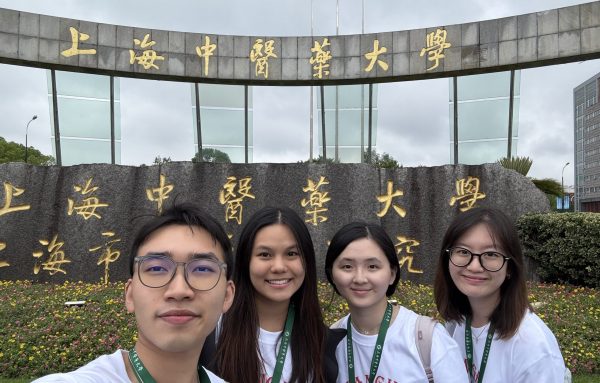
We are truly thankful to Shanghai University of Traditional Chinese Medicine (SHUTCM) for this opportunity, and we were able to return to Malaysia inspired to move forward with what we have learned, not just in our studies, but in the way we approach holistic, wellness, and cultural understanding.
Once again, thank you SHUTCM and IMU University for this meaningful experience.
IMU Students Who Were Participants in the 2025 Shanghai Summer School
邱炜期 Hue Wai Kay
张嘉婧 Cheong Jia Jing
陈錡 Chan Qi
刘此提 Low Tze Ti
Thoughts Shared