


Article Summary
Psychology students at IMU University organised an Interactive Ethics Showcase featuring gamified activities exploring technology and privacy, animal exploitation and testing, therapy and caretaker responsibilities as well as public health and environmental ethics through experiential learning.
At a Glance
Activity:
Ethics in Psychology Interactive Ethics Showcase
Date:
6 April 2026
Venue:
L 1.1 hall of IMU Technology Park (LiT Block)
Focus:
Translating complex, real-world ethical dilemmas into engaging, interactive games to educate and challenge Foundation students
Gamifying Ethics: Psychology Students Host Interactive Ethics Showcase
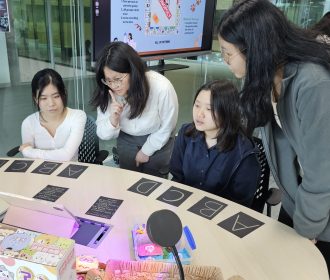
On Monday, 6 April 2026, the L 1.1 hall of IMU Technology Park (LiT Block) transformed into a vibrant hub of learning for the Ethics in Psychology Interactive Ethics Showcase. The event challenged IMU University’s psychology students to translate complex, real-world ethical dilemmas into engaging, interactive games designed to educate and challenge the University’s Foundation students.
From Global Crises to Board Games: The Showcase Booths
The exhibition featured ten distinct interactive stations, each targeting a unique branch of ethical decision-making, from public health to cutting-edge technology:
Technology & Privacy:
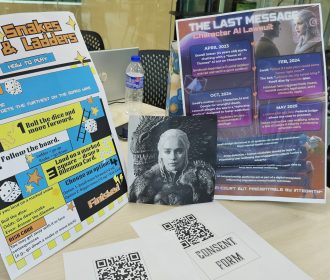
At the The Last Message: Character AI Lawsuit booth, participants played a modified Snakes and Ladders game exploring user safety and psychological harm in digital interactions.
Meanwhile, Who wants to be an ‘Ethicnaire’? used a high-stakes quiz format to examine data privacy breaches, inspired by the Singapore TraceTogether app data controversy.
Animal Exploitation & Testing:
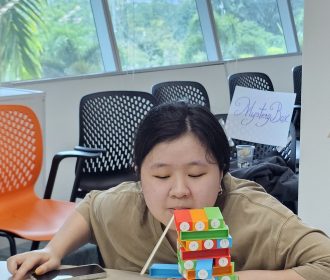
The historical 1981 Silver Spring Monkey Case was brought to life in The Monkey’s Lockbox, where players attempted physical tasks from the perspective of experimental macaques.
Escape the Lab! focused on cosmetic animal testing regulations within the Chinese market through a time-limited “Rabbits vs Mice” race.
Therapy & Caretaker Responsibilities:
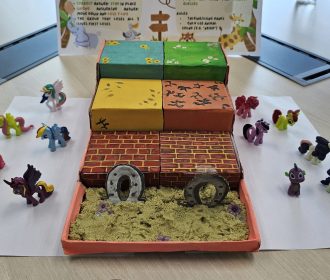
The booth My Little Pony used charades and ethical questionnaires to highlight caretaker dilemmas at therapy centers, while
Speed and Greed utilised a fast-paced board game to highlight stress, fatigue, and the treatment of dogs as therapeutic tools rather than sentient partners.
Public Health & Environmental Ethics:
High-stakes simulations included Bio-Hazardous Choices: The Ebola Extraction Gambit, which dropped players into an Ebola outbreak triage scenario monitored by ruthless investigators , and
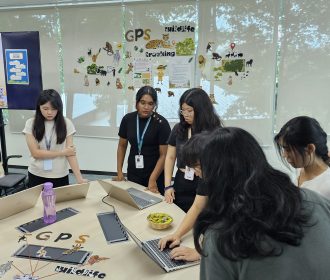
Eyes in the Wild, which put participants in a researcher’s shoes managing leaked wildlife GPS tracking data.
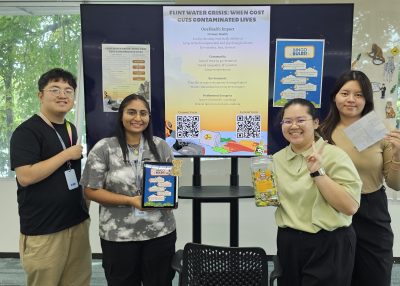
Additionally, Ethics Bingo: Sweet Wins, Sour Truths! explored the inequalities of the Flint water crisis, and
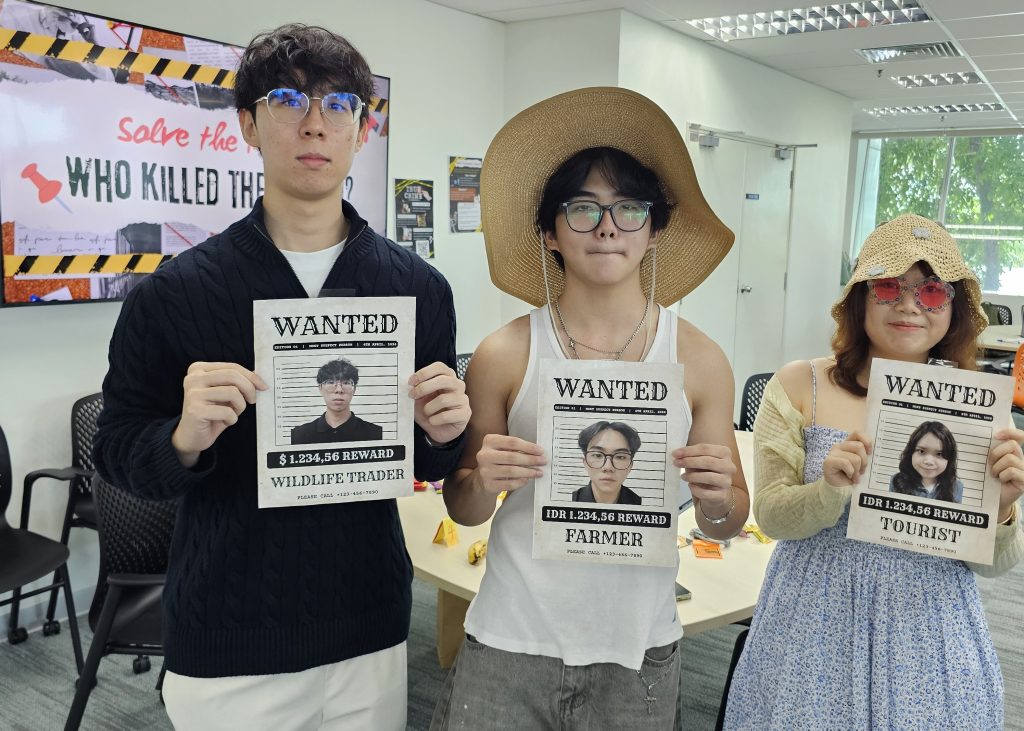
Solve the Mystery: Who Killed the Ostrich? tackled public health culling policies through a murder mystery format.
The Student Experience: Challenges, Resilience, and Breakthroughs
For the organisers, the journey from conceptualising these massive ethical issues to managing the bustling crowds on the day of the showcase was both intensely demanding and deeply rewarding.
Navigating the Creative Process
Designing a game that balances entertainment with rigorous psychological ethics proved to be a difficult hurdle for many groups.
Nur Husnina Zawanah Binti Azmi recalled the stressful preparation phase:
“The process of trying to make activities fun whilst informative was extremely difficult. We had quite a hard time, trying to make sense of our game to make sure participants would enjoy and yet capable to play it.”
To assist students in this challenging task, their lecturer, Mr Alexius Cheang guided students on incorporating and using Artificial Intelligence to bridge the gap between real world cases and turning them into gamified activities. Nevertheless, further discussion and testing occurred to ensure that the games were playable and achieved their objectives.
Overcoming Exhaustion on the Floor
For introverted students, managing the high-energy environment of a live showcase required true perseverance.
Nur Husnina added:
“On the day of the showcase, it was exhausting. Interacting with the foundation students whilst supervising them was definitely energy-consuming as an introvert. However, it taught me to be resilient in the process (I just said over and over again in my head that it was going to be over soon).”
Witnessing Lightbulb Moments
Despite the hard work, watching the Foundation students critically debate the dilemmas made the effort worthwhile. Chong Zhi Yi, whose group transformed the 2025 Canadian Ostrich Culling case into an interactive murder mystery, shared:
“Watching their uncertainty and discussions while guessing the suspects made me realise that interactive learning encourages critical thinking and deeper engagement with public health issues. I felt fulfilled and proud that our creative approach helped students better understand the OneHealth concept in an enjoyable way.”
A Shared Sense of Pride
The energy in the room was highly collaborative, leaving many students eager to host similar events in the future.
Kovarthanan A/L Ramasamy, who managed The Monkey’s Lockbox booth using Beer Pong and Jenga blocks, reflected on the success of the afternoon:
“The interactive showcase with Foundation students was amusing. I’ve conducted my activity based on The Silver Spring Monkey Case and students who played the beer pong and Jenga blocks totally enjoyed it. I personally feel like I wouldn’t mind conducting another interactive showcase.”
Ultimately, the showcase achieved its most critical objective: providing practical, memorable lessons on advocacy and awareness.
As Nur Husnina concluded,
“Overall, the experience had its ups and downs but learning of such ethical issues that occurred in the world and having the knowledge on how to prevent as well as spread awareness was the most importance part of the assignment.”
Thoughts Shared