


Two academics from the School of Health Sciences, IMU University, A/Prof Dr Neo Yun Ping and Dr Lim Wui Zhuan, captivated 28 Indonesian participants during the workshop and seminar “MEDXPERIENCE: Dunia Kesehatan Masa Depan” held at Discovery Hotel SCBD, Jakarta on 8 November 2025.
The event brought together students, teachers, and parents eager to deepen their understanding of health science innovations and sustainability, providing a platform for experiential learning and scientific curiosity beyond the classroom.
Turning Waste into Value through Food Science Innovation
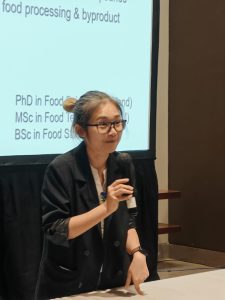
Representing the Food Science Innovation Programme, Dr Neo Yun Ping delivered a session titled “Generasi Zero Waste & Sustainable Food Tech for a Greener Future.” Her talk explored the growing issue of food loss and waste in Indonesia and its nutritional, environmental, and economic consequences.
She highlighted how food science, technology, and innovation can transform waste into value through sustainable practices and upcycling, supporting the United Nations’ Sustainable Development Goals (SDGs), particularly SDG 12 (Responsible Consumption and Production).
The session featured two hands-on sensory evaluation activities, Guess the Flavour and What’s in the Product?, which allowed participants to experience how sensory science plays a key role in developing upcycled food products that are both sustainable and appealing. The activities were enthusiastically received, with participants expressing enjoyment and curiosity throughout the interactive session.
“Zero waste is not just about saving food,” Dr Neo shared. “It’s about rethinking how we value flavour, science, and sustainability and how small actions can shape a greener future.”
Exploring the Future of Medicine through Biotechnology and AI
Dr Lim Wui Zhuan, representing the Medical Biotechnology and Biomedical Science programmes at IMU, delivered a session titled “AI & Living Drugs: The New and Modern Drug Innovation in the Medical World.”
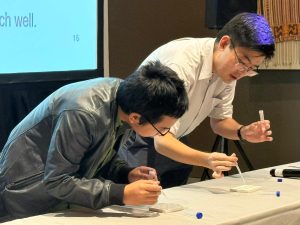
His talk explored how artificial intelligence (AI) and biotechnology are transforming the landscape of healthcare, from AI-driven diagnostics to the development of “living medicines” such as monoclonal antibodies, CAR-T cells, and microbial therapies.
Participants also took part in three hands-on activities: simulated haematocrit testing, ELISA diagnostics, and an AI Teachable Machine exercise, which demonstrated how medical biotechnologists and biomedical scientists integrate laboratory techniques with digital tools to advance diagnostics, research, and innovation.
“Science today is not only about pipettes. It’s also about data, AI, and innovation,” Dr Lim remarked, highlighting the importance of digital literacy and multidisciplinary skills in shaping future-ready healthcare professionals.
Inspiring the Next Generation of Health Science Learners
The MEDXPERIENCE workshop aimed to raise awareness of how health science disciplines contribute to solving global challenges, from sustainable food systems to biotechnology and biomedical innovations. Both sessions successfully showcased how IMU integrates scientific knowledge, hands-on learning, and global perspectives to inspire curiosity and empower the next generation of learners in the health sciences.
The participants left with renewed enthusiasm and appreciation for how science and innovation can drive positive change in both personal and societal contexts.
Thoughts Shared