


Bioveterinary science is a dynamic and rapidly evolving field that plays a crucial role in modern society, bridging biology and veterinary medicine. This interdisciplinary discipline integrates cutting-edge biotechnologies, information and communication technologies, and digital innovations to advance animal health and management.
As global challenges such as shifting consumer demands, evolving trade regulations, and the increasing need for preventive measures in animal health and food production continue to rise, the expertise of bioveterinary science professionals has never been more vital. These professionals are at the forefront of shaping the future of animal health, food security, and environmental sustainability.
The field offers a diverse and multifaceted career landscape, welcoming individuals with varied interests and skill sets to contribute to animal well-being, community health, and global sustainability. The growing significance of bioveterinary science reflects its critical role in addressing the complex challenges facing the veterinary and animal health sectors today.
IMU's Bioveterinary Science Programme
At IMU, the Bioveterinary Science programme was designed as a strategic and timely initiative, aligning with IMU’s commitment to educational excellence. This programme provides multidisciplinary training that bridges the gap between the increasing demand for qualified veterinary paraprofessionals and the shortage of veterinary surgeons.
For students enrolling in IMU’s Bioveterinary Science programme for the 2025 intake, an exciting opportunity awaits—a bursary of RM30,000, applied evenly from Semester 2, is available for eligible students.
What sets this programme apart is its comprehensive curriculum, which integrates the latest advancements in bioscience with a strong emphasis on veterinary applications. Students will benefit from the guidance of faculty members who bring extensive expertise to the classroom, ensuring a well-rounded education that combines rigorous theoretical foundations with hands-on practical training.
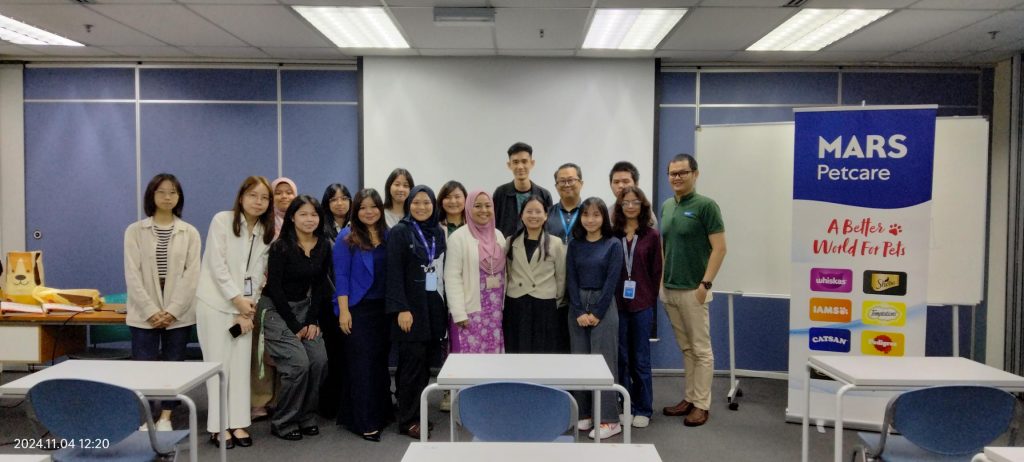
Additionally, IMU’s strong industry partnerships provide students with invaluable opportunities for internships and real-world exposure. These industrial placements equip students with essential skills, industry insights, and best practices, enhancing both their technical and interpersonal competencies while preparing them for specialised career paths in bioveterinary science.
Hear What Our Students Have to Say About the Programme
Rayna Chelsea Umann, who has a strong passion for animal health, found the programme to be intellectually stimulating and rewarding. “It offers a good mix of theoretical knowledge and practical experience, which has helped me develop both critical thinking and hands-on skills. The lecturers are supportive and passionate about their fields, and I’ve found the small class sizes to be a big advantage in terms of receiving personalised attention and mentoring.”
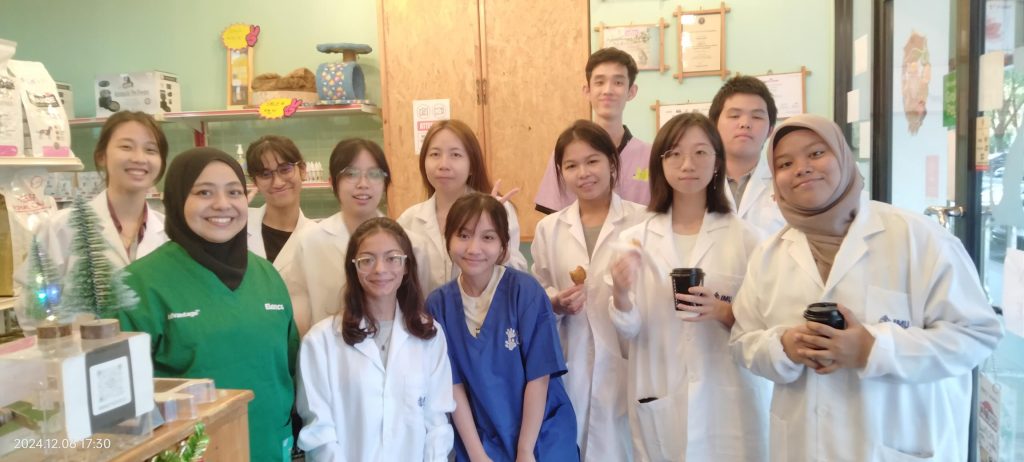
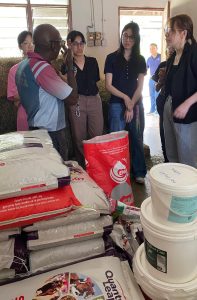
Commenting on the programme, a student in this programme, Elexus Lau En Tong, who has always been interested in pursuing a career related to animals said, “I really liked the field visits we had, as we were able to get out of the typical university setting and visit a clinic and farms. I think it really helped me to apply the theoretical knowledge learned in the lectures and it was a good opportunity to gain hands-on experience. I definitely also learned a lot of new info during these visits. The lecturers are nice and supportive; plus, the lectures and practicals we had were quite interesting.”
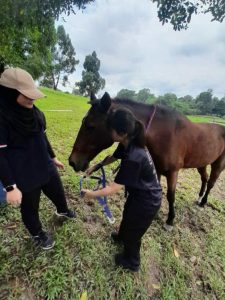
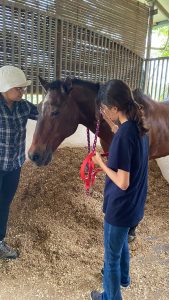
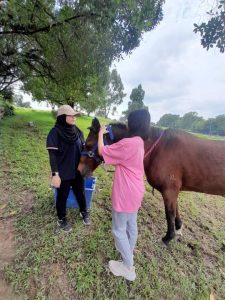
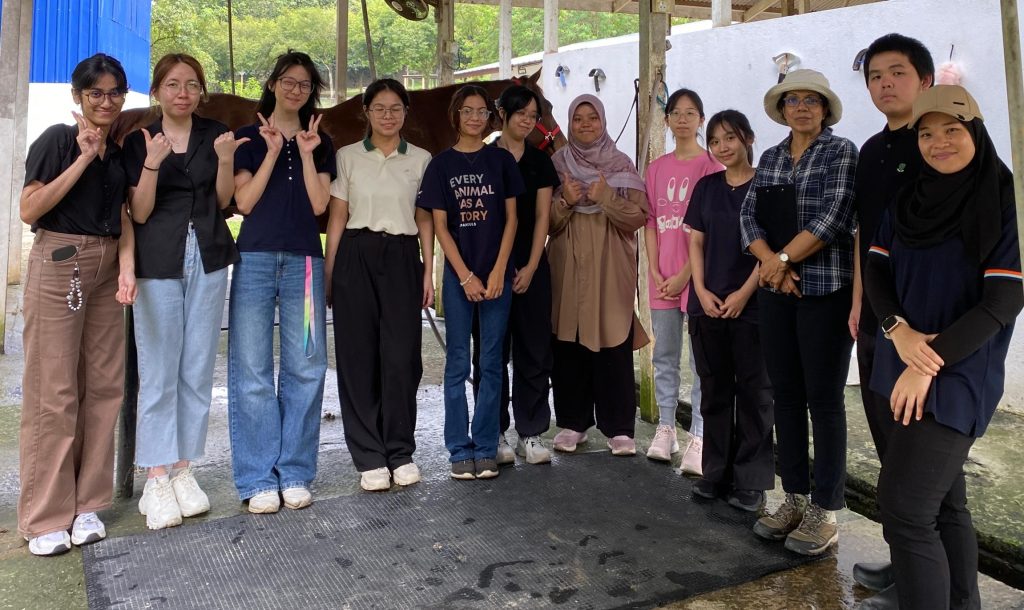
Rayna agrees and added “We went on field trips to poultry farms, ruminant farms, horse stables, and a small animal clinic. During these field trips, I had the opportunity to handle a variety of animals. For all the species we encountered whether poultry, ruminants, horses, or small animals, we were taught how to properly handle and restrain them, as well as how to take their vital signs, including temperature, respiration rate, and pulse. With horses, I specifically learned how to walk them correctly and how to fit halters and leads. I also had the chance to perform basic clinical procedures such as preparing and examining blood smears and fecal samples. These hands-on experiences have been essential in helping to build confidence and practical skills in animal care.”
A Global Pathway to Veterinary Medicine
This pathway offers students the unique opportunity to begin their studies in a Bioveterinary Science programme at IMU and then transfer to either the University of Surrey or the University of Edinburgh to complete their Veterinary Medicine degree.
hi
may know Bioveterinary Science is 2 yrs on Msia then another 3years at Uk for Veterinary Medicine, after graduate can be called Doc Vet?