


Article Summary
IMU University’s MIND Bootcamp 2026 brought together global experts to explore how research, innovation, and commercialisation (RDICE) can drive real-world healthcare impact. The event highlighted interdisciplinary collaboration, precision medicine, and the “Food is Medicine” movement.
Key Facts
Event:
MIND Bootcamp 2026
Date:
8 April 2026
Organiser:
Institute for Research, Development, and Innovation (IRDI), IMU University
Location:
Bukit Jalil, Kuala Lumpur
Focus:
Driving Societal Impact Through Research, Development, Innovation, Commercialization & Economy (RDICE)
Participants:
Leading researchers, academics, and industry experts from Malaysia, Singapore, and Australia
MIND Bootcamp at the IMU University
IMU University recently organised the MIND Bootcamp, a high-impact, full-day event centered on the theme “Driving Societal Impact Through Research, Development, Innovation, Commercialization & Economy (RDICE).”
Held at the IMU University’s main campus in Bukit Jalil on 8 April 2026, the bootcamp brought together leading researchers, academics, and industry experts from Malaysia, Singapore, and Australia to explore the translation of academic research into real-world solutions.
The event was officiated by Prof Dr Winnie Chee Siew Swee, Director of the Institute for Research, Development, and Innovation (IRDI), who set the vision for the day by emphasizing the importance of impact-driven research and development (R&D) in the modern healthcare landscape.
Key Highlights from International Research Experts on Global Research Trends
The morning sessions featured two distinguished international speakers who shared their expertise on building sustainable research ecosystems:
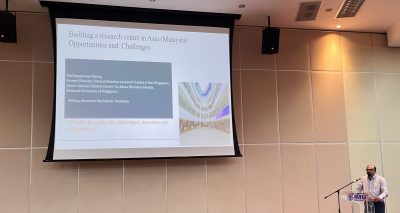
- Prof Dr Christiani Jeyakumar Henry from the National University of Singapore delivered a compelling talk on “Building a Research Centre in Asia: Opportunities and Challenges,” highlighting the strategic nuances of the regional research environment.
Prof Dr Christiani Jeya Henry highlighted
- The opportunities and challenges in building a research centre in Malaysia.
- The transformative potential of the “Food is Medicine” movement which integrates nutrition, medicine, and public health to prevent and manage disease.
Despite Malaysia’s strong food security, rising non-communicable disease (NCD) rates highlight the need for multidisciplinary, evidence-based research and stronger public–private partnerships to advance food-based interventions.
He concluded that Asia has significant potential to lead innovation in this field, but dedicated institutions and robust scientific validation are essential to position food as a cornerstone of future healthcare.
His talk underscored the need for multidisciplinary collaboration across nutrition, medicine, and public health to drive innovation and improve health outcomes.
- Prof Dr Christopher Scarlett from the University of Newcastle, Australia, presented groundbreaking insights in his session, “The Quest for Novel Therapeutic Agents for Pancreatic Cancer: Talents from the Land and Sea.”
Pancreatic cancer is a highly aggressive malignancy with poor prognosis, requiring innovative therapeutic strategies. Prof Dr Christopher Scarlett presented his groundbreaking works on novel therapeutic agents for pancreatic cancer.
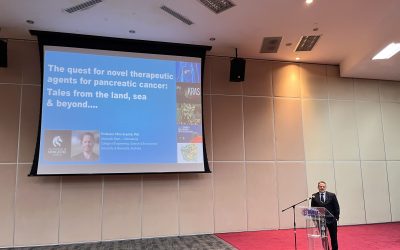
His research explores
- Bioactive compounds derived from natural sources, including medicinal plants, fruit-bearing species, and
- Marine organisms such as sea sponges, which offer diverse bioactive compounds,
- Targeting specific molecular pathways for more precise treatment. In this pathway, therapies are designed to act on defined cancer pathways, enabling more precise and less toxic treatment.
His approach also includes molecular subtype-guided therapy, targeting markers like S100A2 and repurposing existing drugs, reflecting the growing role of precision medicine in improving pancreatic cancer care.
Strategic Breakout Sessions: Advancing Research Collaboration
The afternoon focused on fostering strategic partnerships through targeted breakout sessions. Participants engaged in deep-dive discussions across two primary tracks:
- Cancer and Cell Biology: Led by
- Prof Ts Dr Mai Chun Wai
- Prof Christopher Scarlett
- Nutrition and Food Science: Led by
- Prof Dr Winnie Chee
- Prof Jeya Henry
These sessions provided a platform for researchers to brainstorm actionable ideas for research commercialisation and cross-border collaborations.
The RDICE Forum: A Roadmap for the Future
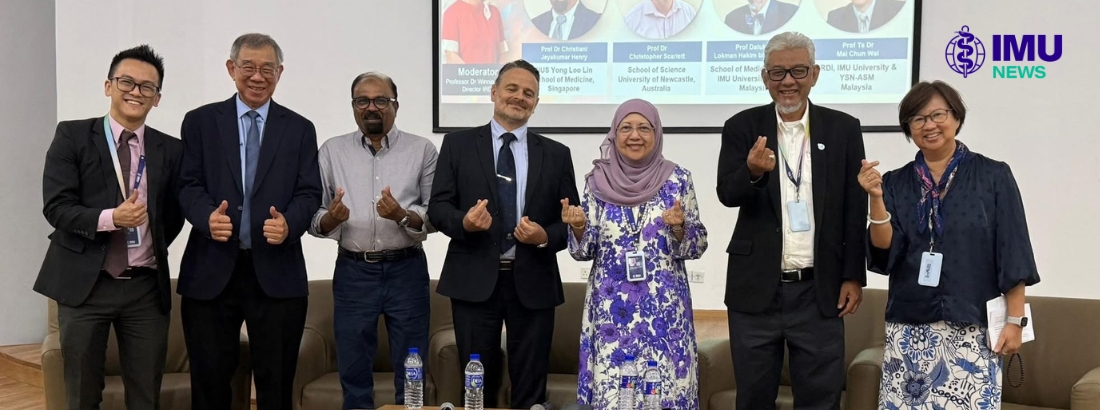
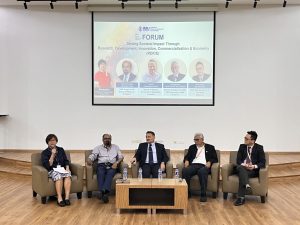
The bootcamp concluded with a dynamic panel forum on driving societal impact through the RDICE framework. Moderated by Prof Dr Winnie Chee, the panel featured:
- Prof Datuk Dr Lokman Hakim Sulaiman (Deputy Vice-Chancellor, Research, and Public Health Advisor to the Health Minister)
- The visiting international professors: Prof Dr Christiani Jeyakumar Henry and Prof Dr Christopher Scarlett
- Prof Ts Dr Mai Chun Wai
Some Key Takeaways from Forum
- Strengthening Research Culture:
The need for “protected time” for research (the 4+1 model) and a robust mentorship system for early-career researchers.
- Mission-Oriented Commercialisation:
Engaging with industry partners early in the proposal planning stage to ensure research has high market value and novelty.
- Global Talent Development:
Encouraging young researchers and postgraduates to “go global” through international fellowships and networking opportunities like the Academy of Sciences Malaysia (ASM).
Driving Impact Through Research and Innovation
This MIND Bootcamp reinforces IMU University’s commitment to building a mission-oriented research environment that not only achieves academic excellence but also creates tangible economic and societal benefits.
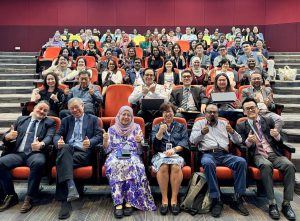
The event concluded with strong emphasis on collaboration as a catalyst for impactful research.
By integrating science, innovation, and economic priorities, RDICE initiatives aim to generate meaningful societal impact and drive sustainable development.
IMU extends its appreciation to all speakers, panellists, organisers, and participants for contributing to a successful and forward-looking programme, with special acknowledgement to Academician Professor Emerita Datuk Dr Asma Ismail FASc for her leadership and vision.
Written by Dr Lai Pei Kuan
Thoughts Shared