


3-5 November 2025 | London, United Kingdom
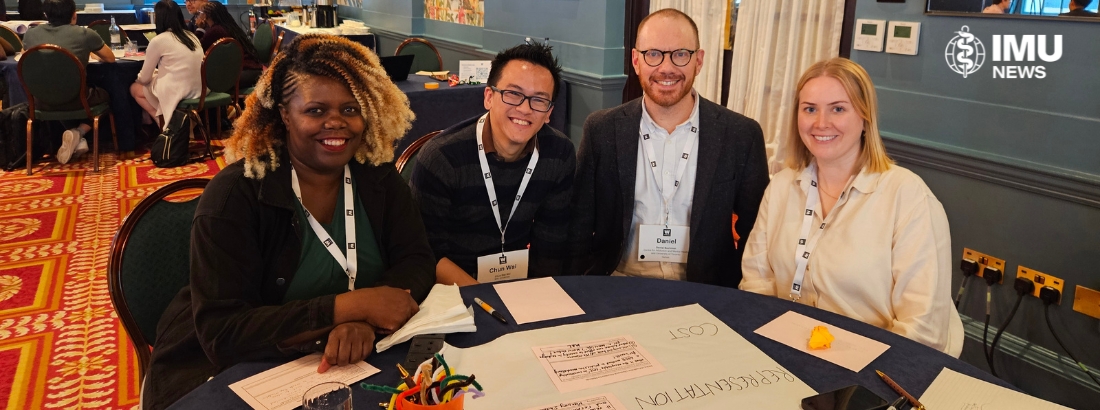
Further to last impactful discussion organised by the Southeast Asia Bioethics Network at Bangkok, Prof Ts Dr Mai Chun Wai – Deputy Director of Research Strategy and Innovation at IMU’s Institute for Research, Development and Innovation (IRDI) – was the only Malaysian and pharmacist invited to participate in Wellcome’s Ethics of Prediction for Health Workshop. The three-day gathering proved intellectually enriching, aligning closely with IMU’s core values of ethical research, responsible data governance, and equitable practice. Beyond illuminating the ethical complexities of health-focused predictive analytics, the workshop reinforced a critical message: collective action is essential to ensure these innovations serve the public good, not just technical advancement.
Key Insights from Cross-Disciplinary Global Dialogue
The workshop’s greatest strength lay in its diversity of expertise, uniting professionals from biomedical research, data science, philosophy, public health, and policy to unpack the layered ethics of predictive models. Sessions spanned critical areas—from mental health risk assessment tools to climate-sensitive disease forecasting and clinical predictive systems—revealing how these innovations are reshaping health systems: from early mental health interventions to pandemic preparedness. A defining takeaway emerged universally: predictive models are not “neutral” tools. Their design, data selection, and real-world use are inherently value-laden, carrying profound implications for equity, individual autonomy, and public trust in health systems.
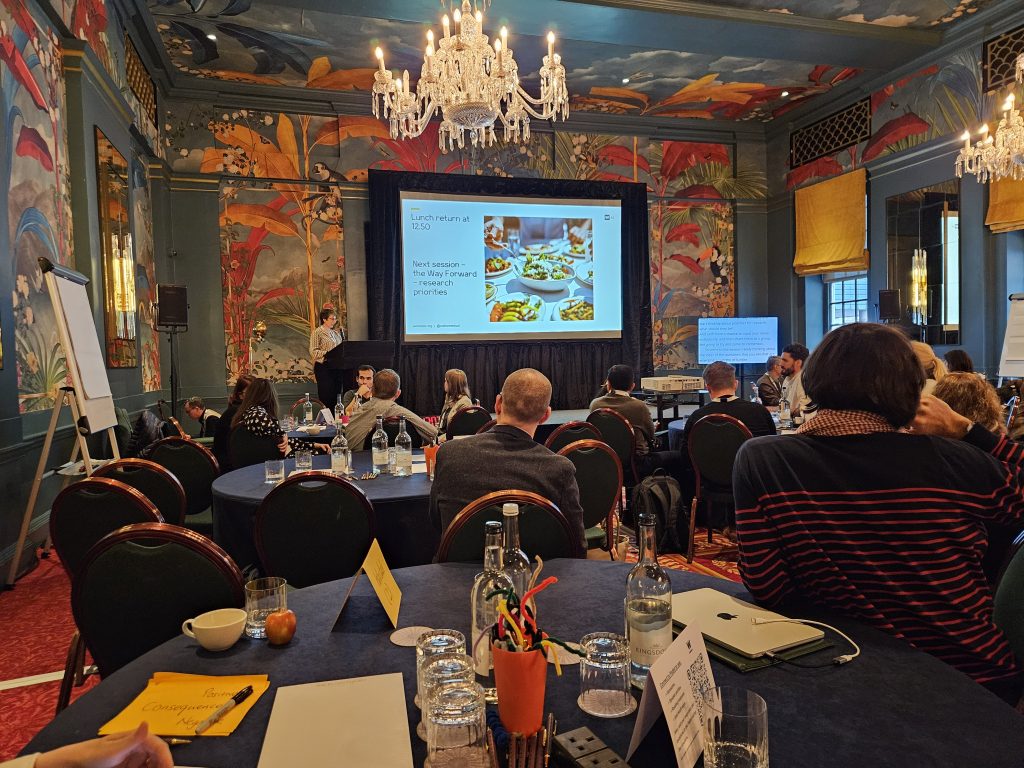
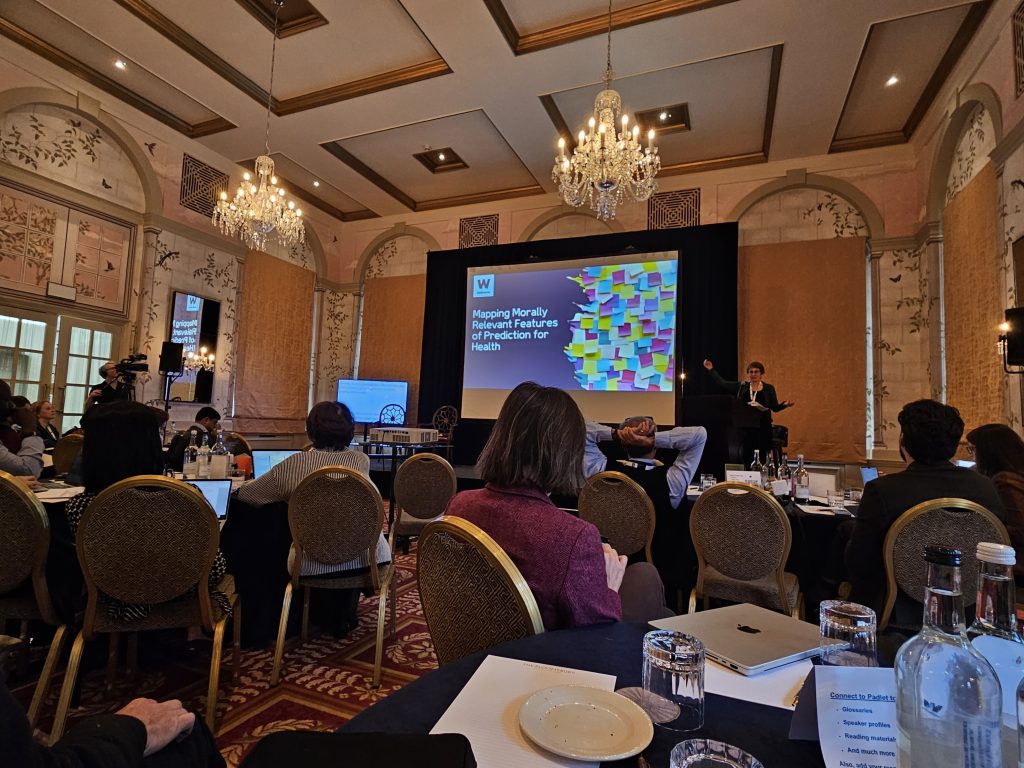
Discussions on ethical data decisions and trade-offs resonated deeply with IMU’s ongoing work. Speakers raised urgent questions: What data is ethically permissible to include? How can variable construction avoid perpetuating biases—especially in low-resource settings like Southeast Asia?
These conversations mirrored themes from IMU’s regional data-sharing workshops: ethical data governance must prioritise representation (ensuring marginalised groups are not excluded from datasets), transparency (making model logic accessible), and accountability (owning biases that harm communities) to prevent worsening health inequities.
The workshop’s collaborative breakout sessions—where groups iterated on model design and defined evaluation criteria for “ethical adequacy”—provided actionable frameworks. These insights will directly inform IMU’s efforts to strengthen data ethics capacity, helping train researchers to translate ethical principles into tangible practice.
Bridging Theory and Real-World Practice: A Focus on Inclusivity
A standout highlight was the workshop’s emphasis on real-world implementation—a topic central to IMU’s work supporting ethical data sharing in resource-limited contexts. Sessions like “Notes from the Field” (which featured reflections on model deployment in global health settings) and breakout discussions on implementation challenges underscored a key truth: ethical prediction is not a theoretical exercise. It requires alignment with local cultural norms, legal frameworks, and community needs. This echoed Prof Mai’s longstanding advocacy: embedding ethics in researcher training and institutional cultures is critical to ensuring predictive tools are developed with communities, not just for them.
Philosophical, social, and political sessions further expanded perspectives. Presentations on AI health surveillance, the politics of data “counting”, and “life in the data shadow of prediction reminded participants that predictive analytics shape more than health outcomes—they redefine how societies understand autonomy, justice, and equity. These conversations highlighted the urgency of inclusive governance: marginalised voices must lead decisions about how models are designed, tested, and rolled out. For Prof Mai—whose work includes pharmacogenomics (using genomic data to design personalised medicine)—this was particularly relevant: ensuring equity in predictive tools is vital to preventing disparities in access to life-saving personalised treatments.
Aligning with IMU’s Mission: Ethics, Equity, and Collaboration
The workshop’s core themes directly mirrored Prof Mai’s and IMU’s mission to advance responsible research and build public trust in science. As IMU continues to strengthen data governance capacity globally, the workshop’s insights will guide critical work: balancing innovation with ethics, addressing biases in data and models, and fostering cross-sector collaboration.
What inspired Prof Mai most was the collective purpose among participants. Despite diverse backgrounds and geographies, everyone shared a commitment to ensuring health predictive analytics are not just technically advanced, but ethically sound and equitable. This spirit mirrors IMU’s “global-local” approach: leveraging international expertise to solve regional challenges, while amplifying Southeast Asian perspectives to shape global best practices.
Way Forward: Translating Insights into Action
Reflecting on the workshop, Prof Mai is eager to turn insights into tangible change—with three key priorities:
- Integrate ethical frameworks into training: Embed the workshop’s model design and evaluation tools into IMU’s researcher training programmes, equipping the next generation to navigate ethical complexities in predictive health research.
- Strengthen cross-regional collaboration: Leverage connections from the workshop to share learnings between Southeast Asia’s low-resource contexts and global partners, co-creating equitable data governance policies.
- Prioritise public engagement: Build on the spirit of initiatives like Pint of Science (where Prof Mai previously spoke) to demystify predictive analytics, fostering public trust in how these tools improve health outcomes.
Wellcome’s Ethics of Prediction for Health Workshop was more than a gathering of experts—it was a catalyst for meaningful change. It reinforced a vital lesson: innovation in health prediction must be guided by ethics, grounded in equity, and centered on people.
For IMU and Prof Mai, this workshop is a stepping stone: as they collaborate with global partners, they remain committed to ensuring predictive analytics serve as a force for good—building healthier, more equitable futures for all.
Thoughts Shared