


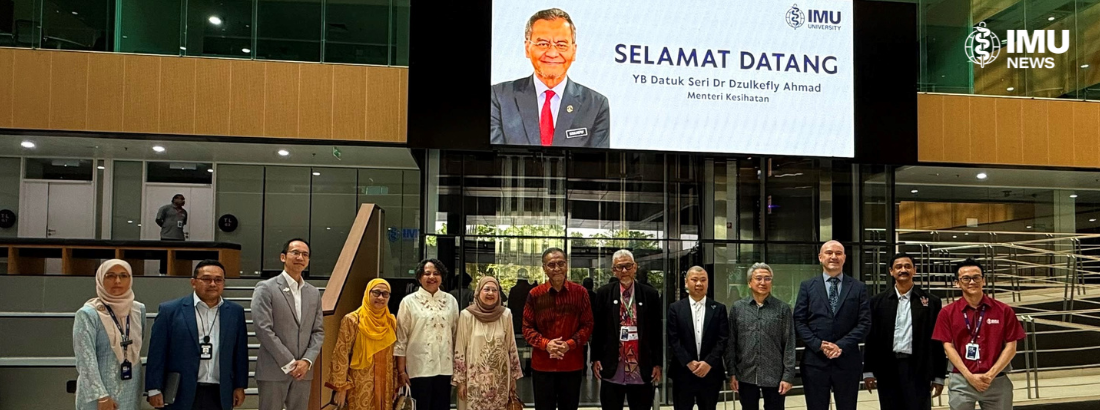
KUALA LUMPUR, 20 June 2026 – IMU University, in partnership with the Malaysian Medical Association, Malaysia Healthcare Travel Council, Malaysian Pharmacists Society, Malaysian Association of Tour and Travel Agents (MATTA), and the Association of Private Hospitals of Malaysia, convened the 2nd IMU University Travel Medicine Seminar 2026 to strengthen collaboration and raise awareness on the growing importance of travel medicine in safeguarding public health amid increasing global mobility and emerging infectious disease risks.
Held under the theme “Connecting Stakeholders for Healthy International Travel,” the seminar brought together healthcare professionals, policymakers, travel industry representatives, and public health experts to discuss the evolving role of travel medicine in protecting travelers and strengthening Malaysia’s health preparedness.
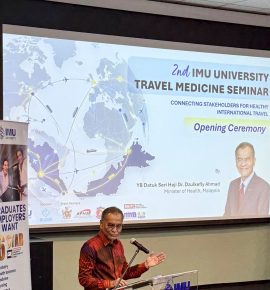
Officiating the seminar, Health Minister YB Datuk Seri Haji Dr Dzulkefly bin Ahmad highlighted the need for coordinated action across healthcare sectors as international travel continues to rebound rapidly.
“Travel medicine is no longer a peripheral service. It is an essential component of preventive healthcare and national health security,” he said, noting the importance of early risk assessment, disease surveillance, vaccination, and traveler education.
The seminar was held amid heightened global vigilance following reports of emerging infectious disease outbreaks in several regions, including hantavirus infections linked to international cruise travel and Ebola outbreaks in parts of Africa. While Malaysia has not reported any related cases, authorities continue to strengthen monitoring and surveillance measures at the country’s entry points.
Experts at the seminar noted that increased global movement exposes travellers to a broader range of emerging and re-emerging infectious diseases, including mosquito-borne illnesses such as dengue and malaria, as well as airborne and respiratory infections.
Recent data shows Malaysians made 66.6 million outbound trips in 2025, spending an estimated RM61.4 billion abroad. In the same year, 42.2 million foreign tourists visited Malaysia, contributing RM110.6 billion to the economy, a net inflow of RM46.2 billion.
Despite these figures, studies indicate only 40.5% of Malaysians seek medical advice before travelling, and just 52.8% receive pre-travel vaccinations. Experts warned that even a small proportion of travellers falling ill abroad, or visiting tourists requiring care, could place significant pressure on primary healthcare services, including private clinics and community pharmacies.
Travel medicine focuses on preparing travelers to reduce health risks and prevent illness during international travel. This includes pre-travel consultation, vaccination, preventive medication, and health education, distinguishing it from medical tourism, which involves travelling abroad to seek medical treatment.
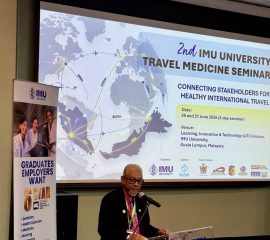
While travel medicine is well established in countries such as the United Kingdom, Ireland, parts of Europe, Thailand, the United States, and Australia, the field remains in its early stages of development in Malaysia.
Datuk Dr Lokman Hakim bin Sulaiman, Deputy Vice-Chancellor (Research) at IMU University, said the seminar underscored the growing complexity of global mobility.
“Travel medicine is an essential layer of preventive healthcare that connects clinical practice, public health, and patient behaviour. As travel volumes increase, Malaysians need to be better informed and prepared before they cross borders,” he said.
The seminar concluded with a call for travel medicine to be recognised as an integral component of preventive healthcare, alongside greater public awareness on the importance of pre-travel health preparation. Speakers emphasised that advancing the field will be critical in safeguarding Malaysians abroad, strengthening national public health resilience, and fostering closer collaboration among healthcare providers, travel operators, policymakers, and educational institutions to build a more coordinated and future-ready travel health ecosystem in Malaysia.
In The News
21 Jun 2026
20 Jun 2026
21 Jun 2026
The Star
MyMetro
LinkedIn
Thoughts Shared