


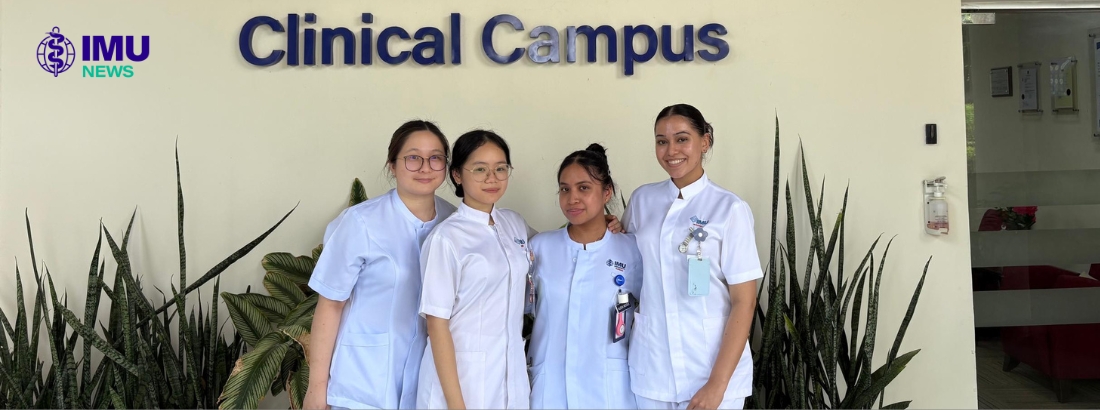
Electrocardiogram (ECG) interpretation is more than just identifying rhythms; it involves understanding what those rhythms reveal about a patient’s clinical condition. To support this critical thinking process, the Nursing Division of IMU conducted the Intermediate ECG Interpretation Workshop on 12 and 19 June 2025 at the IMU Clinical Campus in Seremban.
This workshop was designed for NU1/23 Semester 4 nursing students undergoing Clinical Practice III, who were concurrently studying the endocrine, orthopaedic, renal, and neurological systems. While ECG fundamentals are introduced in earlier semesters, many students find it challenging to interpret ECG changes when they arise in non-cardiac cases. This workshop did not only aim to increase the technical complexity of ECG analysis, but rather to help students connect ECG findings with real patient contexts.
Structure of the Workshop
To support preparatory learning, pre-reading materials and a video were emailed to all students approximately one month before the workshop. This allowed students to revisit ECG fundamentals at their own pace before the in-person sessions.
The workshop commenced with a pre-test to assess baseline knowledge, followed by a facilitated session on systematic ECG interpretation. Students were then engaged in interactive, case-based discussions using 12-lead ECGs, each contextualised within real clinical scenarios.
After the workshop, students were tasked with collecting and interpreting two ECG tracings from patients they encountered during their clinical postings. These submissions were assessed using a standardised rubric, and individualised feedback was provided to support further learning.
To reinforce learning outcomes, a final debriefing session was conducted on 24 July 2025, which provided an opportunity to consolidate key concepts, clarify common misconceptions, and reflect on clinical application in practice.
Clinical Scenarios Across Body Systems
During the workshop, students were exposed to a range of real-world clinical scenarios that demonstrated ECG relevance beyond cardiology. These included:
Orthopaedic Cases:
- A patient with a femur fracture, low haemoglobin, and pain, presenting with sinus tachycardia
- A young endurance athlete admitted for meniscus repair with sinus bradycardia
Neurological Cases:
- A patient with acute ischemic stroke, showing atrial fibrillation
- A patient with subarachnoid haemorrhage, presenting with cerebral T-wave inversion
Endocrine Cases:
- A hyperthyroid patient complaining of palpitations, showing supraventricular tachycardia
- A diabetic ketoacidosis patient with vomiting and insulin omission, showing tall-tented T-waves
Renal Cases:
- A dialysis-dependent patient who missed haemodialysis, presenting with tall-tented T-waves and prolonged QT interval due to hyperkalaemia and hypocalcaemia
These cases helped students recognise that ECG interpretation should not occur in isolation, but rather in conjunction with physical findings, laboratory data, and disease mechanisms. This approach encouraged students to interpret ECGs meaningfully and apply their understanding to clinical practice with confidence and accuracy
How the ECG Workshop Prepared Me for Clinical Practice
Alexa Nicole Santos Nakpil (NU 1/23):
“Before the ECG workshop, I felt quite unsure of myself. We had touched on ECGs during lectures but still found them confusing and overwhelming. I would see all the lines and waves, and I didn’t know where to start. I learned how important ECGs are in identifying heart problems, but I lacked the confidence to interpret them correctly or speak up in clinical settings.
During the workshop, things began to fall into place. The facilitator broke everything down in a way that was easy to follow, and we were given actual ECG strips to interpret. I liked that we weren’t just memorizing things; we were taught to approach the ECG systematically, looking at the rate, rhythm, P waves, intervals, and so on. It was really helpful to work through examples together and ask questions in real time.
After the workshop, I felt a lot more confident. I know I still have a lot to learn, but I’m no longer afraid of ECGs. I can now look at a strip and make sense of what I’m seeing. It also made me realize how important for nurses to recognize abnormal rhythms early so that we can act quickly and advocate for our patients.
In terms of clinical practice, I feel better prepared now. If I’m placed in a ward with cardiac patients, I’ll be more engaged when reviewing ECGs with the team. This workshop opened my eyes to how vital it is for nurses to have strong foundational knowledge, not just for technical skills, but for patient safety too.”
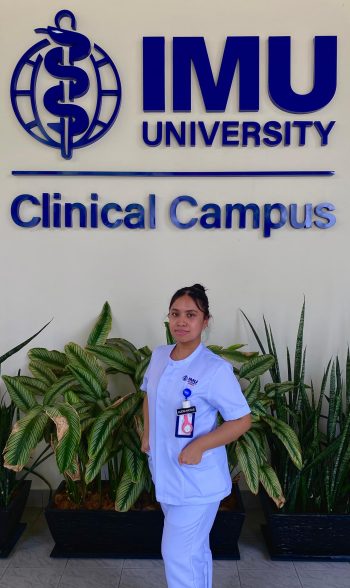
Ashley Chin Yi Yu (NU 1/23):
“I was first introduced to ECG interpretation during Semester 3, and I found it quite challenging at the time. Trying to identify which lead corresponds to which part of the heart, recognizing the PQRST components, and interpreting what those lines reveal about cardiac function felt overwhelming.
Attending the ECG workshop marked a significant turning point in my understanding. The facilitator provided clear and simplified explanations that helped me connect the dots more effectively. Rather than relying solely on lectures, the workshop included quizzes and hands-on practice, which I greatly appreciated. This interactive approach allowed us to apply what we learned in real time and reinforced my understanding.
I genuinely enjoyed the workshop, and it boosted my confidence in interpreting ECGs. It’s fascinating to realize how a sheet of lines can reveal so much about the heart’s condition. This experience made me aware that ECG interpretation not only requires strong theoretical knowledge but also consistent practice to develop true competence. Overall, the workshop has given me a huge opportunity in shaping my growth as a competent, patient-centered nurse.”
![{"data":{"infoStickerId":"","playId":"","filterId":"","effect_type":"tool","imageEffectId":"","enter_from":"enter_launch","capability_key":["portrait"],"effect_id":"portrait","os":"ios","product":"retouch","appversion":"12.7.0","capability_extra_v2":{},"activityName":"","stickerId":"","pictureId":"9BA3D7AC-7958-430C-8A70-F868161F2AE9"},"source_type":"douyin_beauty_me"}](https://imu.edu.my/wp-content/uploads/2025/08/Ashley-Chin-Yi-Yu-350x493.jpeg "Ashley Chin Yi Yu")
Brahmjeet Kaur A/P Mohanjit Singh (NU1/23):
“ The ECG interpretation workshop was an insightful and enriching experience. The sessions were very well-organised, beginning with the basic concepts of ECG and progressively moving on to more advanced interpretation.
Before attending this workshop, I often struggled to understand ECG patterns and lacked confidence in interpreting them. Through clear explanations and guided practice, I gained a better understanding of the systematic approach to ECG analysis. With the facilitators’ guidance, I was able to recognise normal rhythms and identify common abnormalities with much greater confidence.
Overall, this workshop has strengthened my knowledge, enhanced my critical thinking skills, and highlighted the importance of accuracy when interpreting ECGs. It was an extremely valuable experience that has boosted my confidence and will greatly benefit me in future clinical practice.”
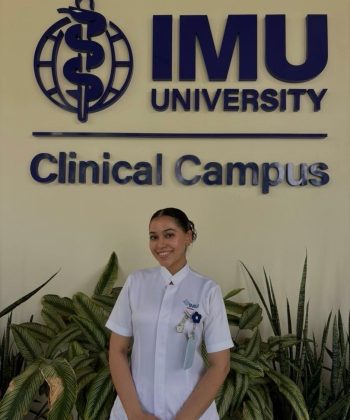
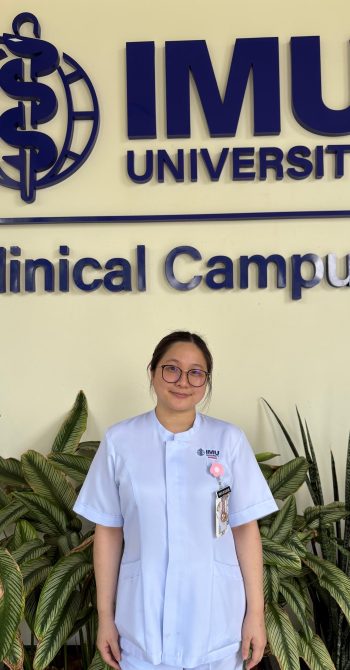
Annita Lim Quan Mei (NU 1/23):
“Undoubtedly, interpreting an ECG can be a challenging task, from identifying a normal sinus rhythm to recognising a wide range of arrhythmias, each with distinct characteristics. Before this workshop, I lacked both the confidence and competence to interpret ECG readings accurately. This reflected a gap in my understanding of the fundamental principles underlying ECG interpretation. Recognising that many students shared similar difficulties, the faculty took the initiative to organise an ECG workshop, an effort that was both timely and greatly appreciated.
I would describe the workshop as interactive, informative, intensive, and above all, intriguing. It created a supportive environment where participants felt comfortable voicing their concerns and challenges related to ECG interpretation. The workshop introduced a clear, systematic, and easy-to-follow approach, which made the learning process much more accessible and engaging. Importantly, it also highlighted the clinical relevance of ECG findings, emphasising their direct correlation with patients’ conditions — a connection that enhanced my clinical reasoning.
As a result of this workshop, my understanding of ECG interpretation has deepened significantly. More importantly, it has sparked a genuine interest in exploring ECG topics further.
That said, while theoretical understanding is essential, it is equally important to bridge the gap between theory and clinical practice. Continued opportunities to apply ECG interpretation skills in real-life clinical settings will be vital in refining accuracy, building confidence, and ultimately strengthening clinical decision-making.”
Empowering Future Nurses
While ECG interpretation is often viewed as a physician’s responsibility, nurses play a pivotal role in the early detection of cardiac abnormalities. In many clinical settings, it is the nurse who performs the ECG and is the first to observe changes in a patient’s condition. Developing the ability to identify abnormal rhythms is therefore essential for timely intervention, effective multidisciplinary collaboration, and improved patient outcomes.
This workshop highlighted the critical value of integrating ECG interpretation into nursing care. By anchoring clinical learning in real patient scenarios, it reinforced the Nursing Division’s commitment to preparing students for competent, practice-ready roles that extend beyond the classroom. More importantly, it encouraged students to go beyond identifying rhythm patterns—to understand their clinical significance and implications. In doing so, the workshop cultivated a deeper sense of responsibility, clinical judgment, and patient-centered care among future nurses.
Appreciation and Acknowledgements
Ms Lee Mei Ying, coordinator of the Intermediate ECG Interpretation Workshop, would like to extend her heartfelt appreciation to the dedicated students of NU1/23 who stayed back after clinical hours to participate in the sessions and diligently completed their follow-up ECG assignments despite their demanding schedules.
Special thanks go to Ms Deepa A/P Kaliappen and Ms May Goh Lay Khim for their invaluable support in workshop preparation and logistics. Gratitude is also extended to Ms Yee Bit Lian, who observed the sessions, provided constructive feedback on the teaching delivery, and contributed to the review of student ECG submissions to ensure quality and consistency in assessment.
Written by:
Alexa Nicole Santos Nakpil (NU1/23)
Ashley Chin Yi Yu (NU1/23)
Annita Lim Quan Mei (NU1/23)
Brahmjeet Kaur A/P Mohanjit Singh (NU1/23)
Lee Mei Ying
Reviewed by:
Dr Lim Swee Geok
Thoughts Shared