


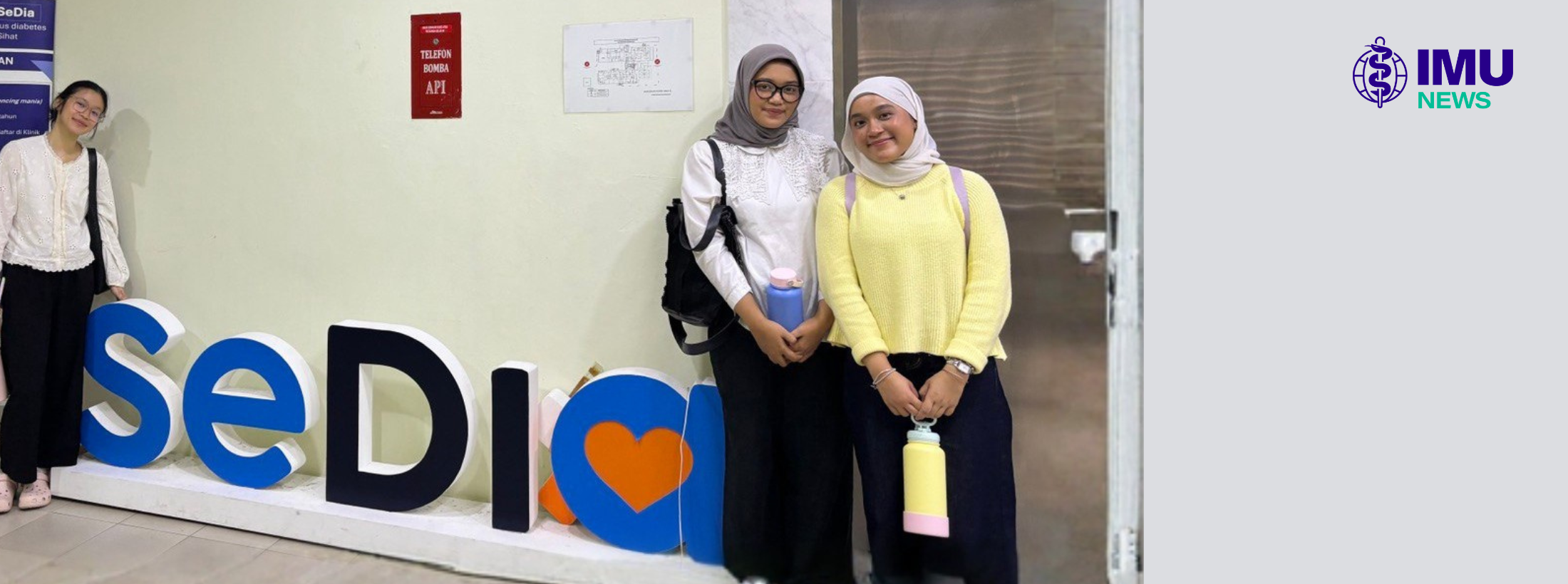
The Seremban Diabetes (SeDia) Cohort is a landmark 12-year collaborative research study led by IMU University in partnership with the Ministry of Health (MOH) Malaysia. The study aims to understand how genetic, lifestyle, and environmental factors contribute to diabetes and its related health outcomes. Recruitment is ongoing at eight Klinik Kesihatan across Seremban, targeting 9,770 participants including individuals with diabetes, their family members, and unrelated non-diabetic individuals.
Beyond its long-term research goals, the Seremban Diabetes (SeDia) Cohort also serves as a learning platform that nurtures young researchers and exposes them to real-world biomedical research. Through structured internship placements, students gain valuable experience in laboratory work, research data management, and public health applications.
From 4 August to 29 September 2025, the Seremban Diabetes (SeDia) Cohort hosted three Bachelor of Biomedical Sciences (Hons) students from Universiti Putra Malaysia (UPM) — Ms Akmal Nur Batrisyia, Ms Low Yean Theng and Ms Sarah Nalani Gimitri Siregar for their internship training.
During the internship, the students were primarily involved in laboratory-based activities that supported the ongoing SeDia Cohort study. They performed DNA extraction from blood samples, handled and processed biological specimens, and learned the workflow of clinical data documentation and storage. They also gained exposure to flow cytometry operations, including instrument start-up and quality control, as well as basic cell culture techniques, liquid nitrogen safety checks, and laboratory management procedures.
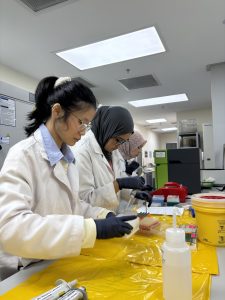
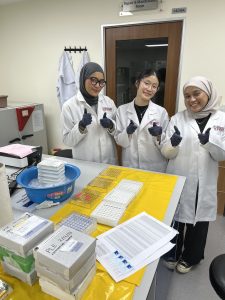
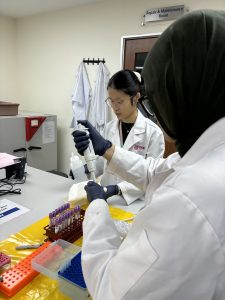
These experiences helped the interns strengthen their technical and analytical skills, while understanding the importance of laboratory quality assurance, biosafety, and research integrity. In addition, they participated in the Recruitment of Subjects at Klinik Kesihatan Seremban, where they observed how research participants were registered, guided through the study process, and had their samples collected, linking their laboratory work to the broader context of community-based health research.
Reflecting on their internship, the students shared that the experience provided them with a clearer understanding of how biomedical research contributes to public health. They appreciated the opportunity to work closely with experienced researchers and research assistants, gaining confidence and hands-on exposure that bridged classroom theory with practical application.
The Seremban Diabetes (SeDia) Cohort remains committed to providing internship opportunities that equip future scientists with the technical expertise and professional values needed to advance health research in Malaysia.
To learn more about the Seremban Diabetes (SeDia) Cohort and how to participate or collaborate, visit www.sedia.my.
Thoughts Shared