


Article Summary
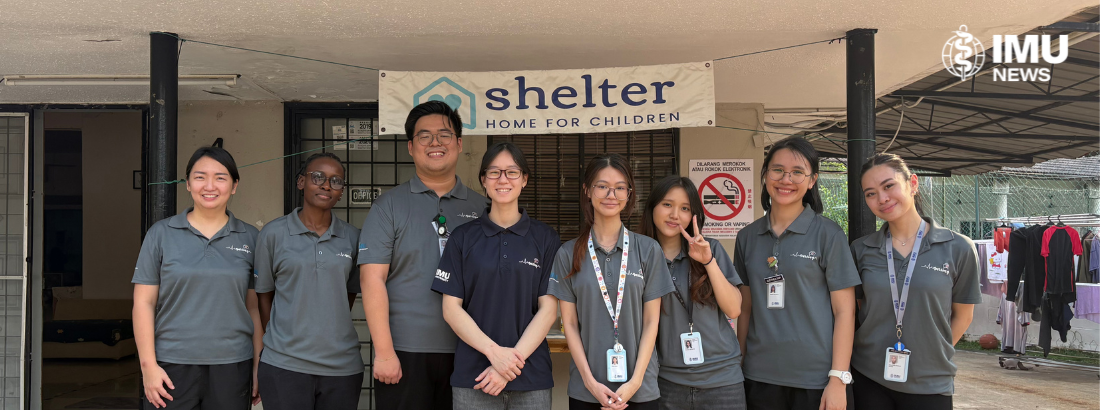
This community-based emotional wellbeing programme used psychoeducation, expressive arts, and play-based activities to help children understand and express their emotions in a safe and supportive environment. For the facilitators comprising staff and students from IMU University’s nursing and counselling programmes, the session highlighted the importance of adaptability, creativity, and age-appropriate communication in child engagement.
Key Facts at a Glance
Focus Area
Children’s Self Expression
Facilitators:
Staff and students from IMU University’s nursing and counselling programmes.
Activities Conducted
- Ice-breaking sessions
- Guided conversations
- Drawing and creative expression
- Outdoor games and movement activities
Key Takeaway
Supporting emotional wellbeing in children can begin with safe spaces, creative expression, and meaningful human connection.
A Safe Space for Self-Expression in Children
What began as a simple gathering at Shelter Home for Children soon turned into a lively space filled with laughter, colour, and quiet moments of self-expression.
In a thoughtfully designed community session, children were invited not only to participate, but also to be seen, heard, and understood.
Building Comfort Through Ice-Breaking Activities
The programme unfolded gently, beginning with casual interactions that helped ease the children into a safe and welcoming environment. Smiles gradually replaced hesitation as ice-breaking activities encouraged them to connect with one another and the facilitators.
A simple pre-assessment followed, laying the foundation for a session centred on emotional awareness and wellbeing.
Age-Appropriate Psychoeducation on Emotions
Recognising that children experience and express emotions differently, participants were divided into smaller groups based on age and understanding. Through carefully tailored psychoeducational sessions, they explored feelings using language and examples that resonated with their everyday lives. Rather than formal instruction, the sessions took the form of guided conversations that invited
- Curiosity
- Reflection
- Sharing
Expressive Arts Activity: Communicating Through Creativity
The energy shifted as the children came together again for the heart of the programme: an expressive arts activity.
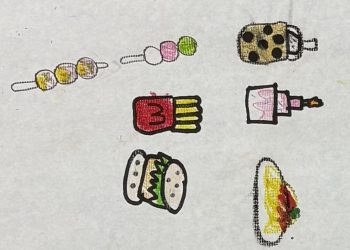
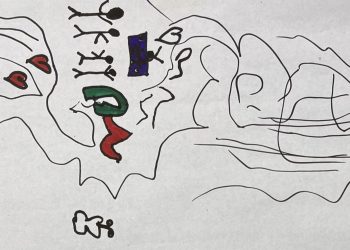
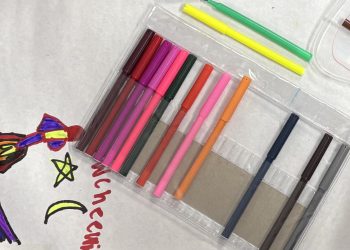
With colours, drawings, and creativity, they began to communicate what words often could not. Feelings, coping strategies, and sources of comfort emerged through their artwork, creating a space where expression felt natural, safe and meaningful.
Outdoor Play and Social Connection
Moments later, the atmosphere lifted into playful excitement during outdoor activities. Soap bubbles floated through the air as laughter followed, transforming the space into one of
- Joy
- Movement
- Connection
These games were more than just play; they fostered social interaction, teamwork, and a sense of belonging among the children.
Closing the Session: Affirmation and Reflection
As the session came to a close, the children were gathered once more, not just to end the day, but to
- Affirm their participation and
- Celebrate their efforts.
Each child left with more than just memories; they carried with them new ways to understand and express their emotions.
Learning for Facilitators: Adaptability in Practice
Behind the scenes, the experience offered equally meaningful lessons for the facilitators, comprising staff and students from IMU University’s nursing and counselling programmes. Working with children of different ages highlighted the importance of adapting communication styles, simplifying language, and responding to diverse needs in real time. Language barriers and varying attention spans required patience, creativity, and flexibility, reminding the facilitators that effective engagement goes beyond planning.
Key Insight: The Power of Play in Emotional Wellbeing
The programme also underscored the power of combining structured learning with play and creativity. While psychoeducation provided knowledge, it was art, games, and shared moments that truly brought emotional learning to life.
Ultimately, the session served as a powerful reminder: supporting children’s emotional wellbeing does not always require complex interventions. Sometimes, it begins with something much simpler: a safe space, a listening ear, and the freedom to express.
Written by:
Kavitha Asok Komar (MC 124)
Chow Veon (NU122)
Reviewed by:
May Goh Lay Khim (Nursing)
Chin Hui Sian (Psychology and Counselling)
Thoughts Shared