


Article Summary
IMU University Food Science Innovation students gained hands-on exposure to sustainable food manufacturing during a field visit to Nestlé’s Chembong Ice Cream Factory, exploring ESG practices, renewable energy use, and real-world industry challenges in achieving net zero and responsible production.
Key Facts
- Programme: Bachelor of Science (Hons) in Food Science Innovation (FSI)
- Industry Partner: Nestlé Malaysia
- Location: Nestlé Chembong Ice Cream Factory
- Learning Approach: Industry field visit, experiential learning
- Focus Areas: ESG, sustainability, food manufacturing
Bridging Classroom Learning with Industry Practice
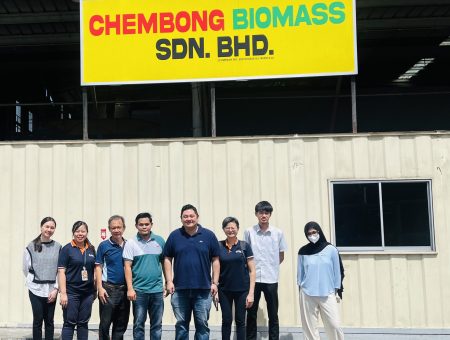
As part of the Memorandum of Understanding (MoU) between Nestlé and IMU University, students from the Bachelor of Science (Honours) in Food Science Innovation (FSI) programme participated in an industry field visit to the Nestlé Chembong Ice Cream Factory on 9 January 2026.
This half-day visit was designed to bridge classroom learning with real-world industrial practice by exposing students to the application of Environmental, Social and Governance (ESG) principles, sustainability certifications, and the role of society in developing and advancing sustainable food systems.
Accompanied by the module coordinator for Sustainability in Food Production and Agriculture, Dr Tan Siew Tin, together with Dr Chang Lee Sin, Senior Lecturer, and Dr Charmaine Lee Sin Yee, Lecturer, the students engaged in reflective learning activities to critically connect theoretical concepts such as life cycle thinking, resource efficiency, and waste valorisation with real industrial practices.
Exploring ESG and Sustainable Food Systems
The delegation was warmly welcomed by Yasotha Kunaratanam, the Factory Manager at Nestlé Chembong Ice Cream Factory, and her team.
During the visit, students were introduced to Nestlé’s sustainable practices, including its commitment to net zero greenhouse gas emissions by 2050, in alignment with Malaysia’s climate goals, and initiatives in reforestation, sustainable agriculture, and responsible packaging.
Inside Nestlé’s Sustainable Ice Cream Production
The programme also featured a guided manufacturing plant tour, insights into Nestlé’s replanting efforts, and a demonstration of the biomass boiler system, highlighting how palm oil by-products are repurposed for renewable energy generation.
The lecturers and students interacted actively with industry professionals during the field visit, discussing practical challenges in balancing productivity, cost efficiency, and environmental responsibility.
These experiences provided students with a deeper understanding of how sustainability principles have an impact on operational decision-making, quality assurance, and resource management in real industrial settings.
Valuable Industry Exposure
Overall, the field visit provided a valuable industry exposure that enhanced students’ awareness of sustainable production practices and the role of ESG principles in modern food manufacturing. It also reinforced the importance of industry-academia collaboration in preparing job-ready food scientists, while reflecting IMU University’s commitment to experiential learning and sustainability-focused education in the field of food science.
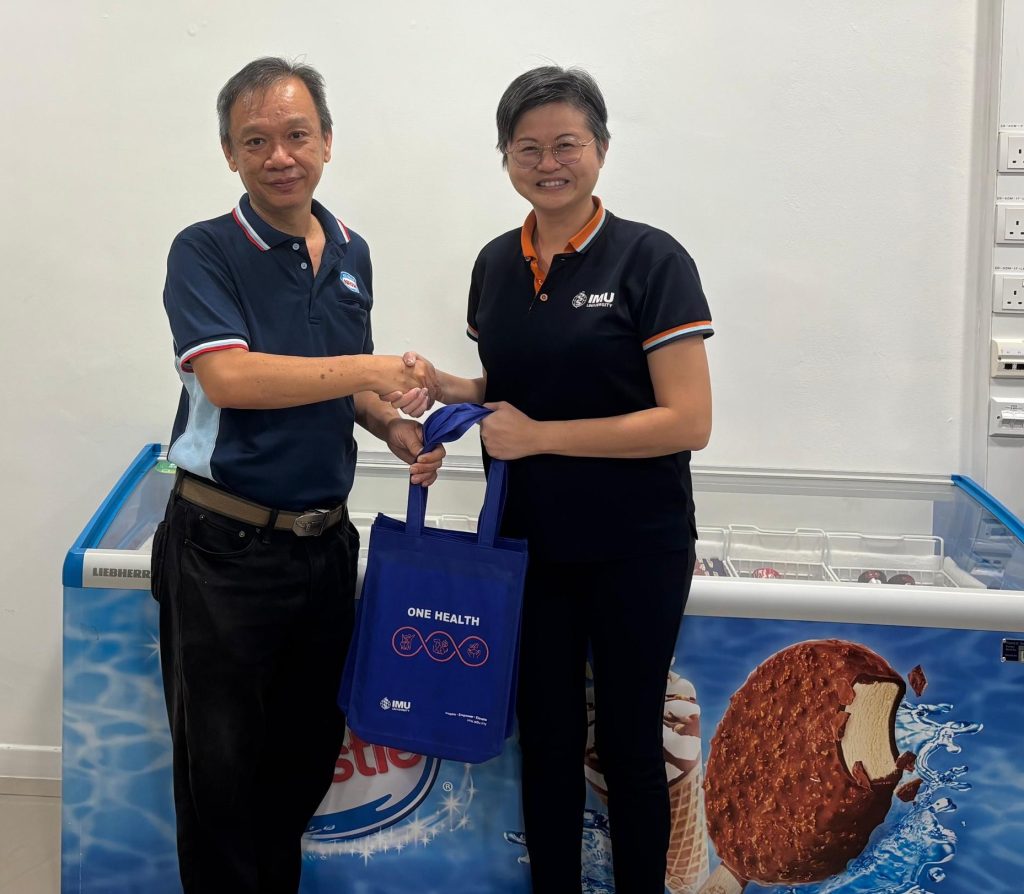
The field visit concluded with an ice-cream treat graciously provided by Nestlé, followed by a souvenir presentation.
Student Reflections on Sustainability and Industry Exposure
Raisah Umaiz Firman
“This field visit connected theoretical ESG concepts with real-world industrial practices through the Nestlé Ice Cream factory visit. Key sustainability initiatives were identified, including the company’s Net Zero 2050 commitment, use of biomass renewable energy, circular packaging strategies, and regenerative agriculture programmes involving local farmers. I learned that approximately 70% of Nestlé’s carbon footprint originates upstream, highlighting the complexity of achieving sustainability beyond factory-level interventions.
The field visit meaningfully shifted my perspective from a factory-centric view to a lifecycle- and supply-chain-oriented understanding of food systems.
Overall, this experience strengthened my appreciation of transparency, accountability, and data-driven ESG practices, and influenced my intention to apply these principles in my future professional work to support comprehensive, farm-to-fork sustainability.”
Isaac Kau
“I learned how theoretical concepts in sustainability, food safety, and quality management are applied in real-world industrial settings through the Nestlé Ice Cream factory visit. Key observations included the high level of automation, strict adherence to food safety standards such as Good Manufacturing Practices (GMP) and Hazard Analysis and Critical Control Points (HACCP), product diversification, and Nestlé’s integration of sustainability through its Creating Shared Value (CSV) strategy.
I also gained insight into the challenges faced by large food manufacturers, particularly in balancing consumer enjoyment with public health responsibilities, managing energy-intensive cold-chain logistics, and ensuring long-term transparency in sustainability efforts.
The visit enabled me to connect classroom learning with industry practice and strengthened my appreciation of structured quality systems, operational sustainability, and responsible corporate practices, which I identified as valuable references for my future academic and professional development.”
Thoughts Shared