


Article Summary
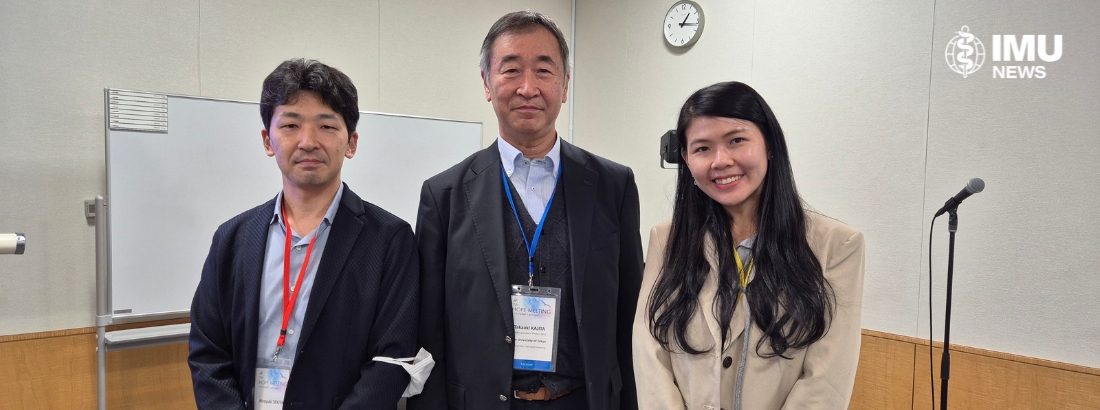
Dr Wong Ting Xuan, an IMU alumna and lecturer from the School of Health Sciences, participated in the 17th HOPE Meeting with Nobel Laureates in Japan, joining young scientists from across the Asia-Pacific and Africa in discussions on scientific research, innovation and interdisciplinary collaboration. Representing both IMU University and Malaysia, she engaged with Nobel Laureates and presented her research on perioperative nutrition and cancer survivorship.
Quick Highlights
- Represented IMU University and Malaysia at the 17th HOPE Meeting in Japan
- Engaged with six Nobel Laureates across physics, chemistry, and medicine
- Participated in scientific discussions, flash talks, and poster presentations
- Collaborated on interdisciplinary solutions for global challenges (SDGs)
- Gained insights into research, innovation, and global scientific collaboration
A Once-in-a-Lifetime Scientific Encounter
What would it feel like to sit in a room with Nobel Laureates, listen to their stories of discovery, and discuss science together as peers? What would be the one question I would ask them if I ever had the chance to meet them?
As a young scientist and early-career researcher, I often feel humbled when meeting accomplished researchers. I had never imagined that I would one day meet a Nobel Laureate in person, let alone interact with several of them.
This once-in-a-lifetime experience became a reality when I had the privilege of participating in the 17th HOPE Meeting with Nobel Laureates, organised by the Japan Society for the Promotion of Science (JSPS) at the Tsukuba International Congress Centre in Japan.
Representing IMU and Malaysia on the Global Stage
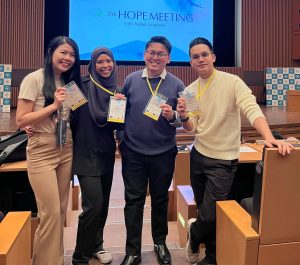
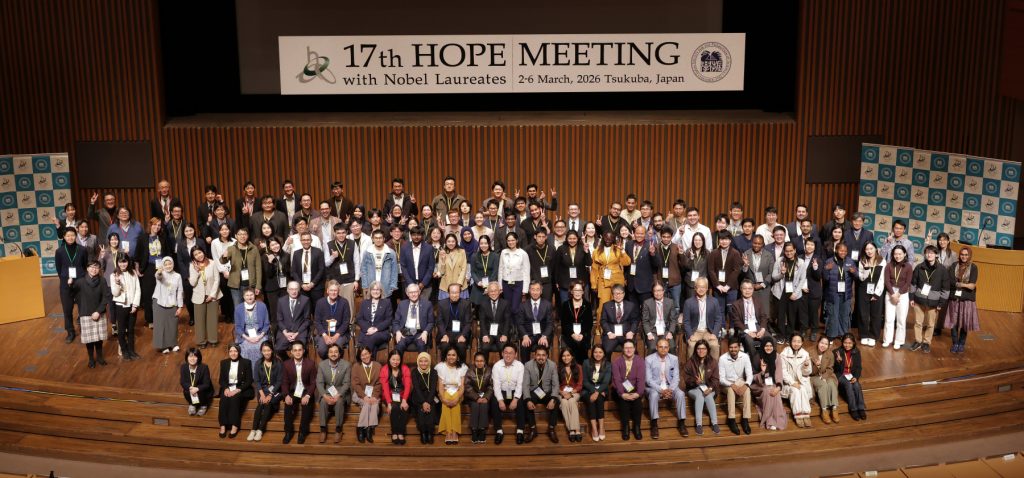
The HOPE Meeting brought together 109 young scientists from 21 countries across the Asia-Pacific and Africa for an intensive programme of scientific exchange, networking, and collaboration.
Representing IMU University and being one of four participants from Malaysia, I joined fellow early-career researchers from diverse disciplines ranging from physics and chemistry to medicine and physiology.
Learning from Nobel Laureates
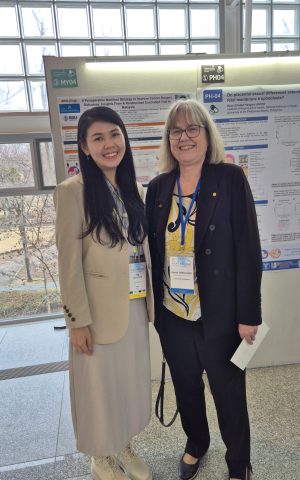
One of the most remarkable aspects of the meeting was the opportunity to listen to lectures delivered by six Nobel Laureates:
- Prof Susumu Kitagawa (Chemistry),
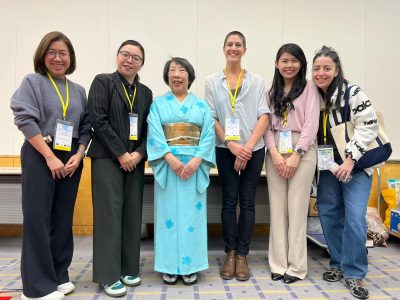
- Prof Donna Strickland (Physics) (in the photo on the right),
- Prof W. E. Moerner (Chemistry),
- Prof Svante Pääbo (Physiology or Medicine),
- Prof Tim Hunt (Physiology or Medicine), and
- Prof Takaaki Kajita (Physics)
Listening to their lectures was both inspiring and humbling. While each lecture lasted about 45 minutes, it represented decades of
- Curiosity,
- Perseverance, and
- Dedication to scientific discovery.
Prof Susumu Kitagawa summarised his journey with three key qualities for success:
- Un (luck),
- Don (stubbornness), and
- Kon (perseverance).
Similarly, Prof W. E. Moerner reminded us of the spirit of scientific curiosity:
“Science is fun! It helps lift the veil of nature. We should ask how things work — push beyond conventional wisdom and question assumptions.”
Meaningful Conversations and Mentorship
Beyond the formal lectures, what made the experience even more special were the small group discussions, where participants could interact closely with three Nobel Laureates of their choice and alumni of the Japan Society for the Promotion of Science (JSPS).
The group size and duration were ideal, ensuring that every participant had the opportunity to:
- Ask questions,
- Exchange ideas, and
- Discuss research challenges.
One particularly memorable moment occurred during a group discussion when we asked Prof Takaaki Kajita how his life had changed after receiving the Nobel Prize.
His response was both simple and profound:
“I get to meet you, young scientists from across the world, who are the future and successors of this discovery.”
He also shared that there were still many questions he wished to pursue, encouraging more young researchers to venture into science.
His words reflected not only humility but also a deep commitment to mentoring the next generation of scientists.
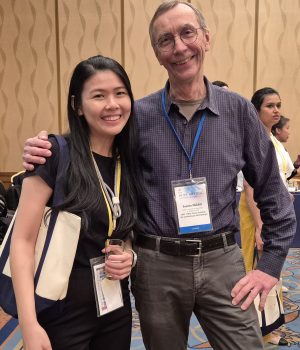
When asked about the journey to winning the Nobel Prize, Prof Tim Hunt (in the photo on the right) remarked,
“During my time, little was known. Driven by curiosity, every step was a new discovery, and winning a Nobel Prize was never intentional.”
This resonated with Prof Svante Pääbo’s (in the photo on the left) reflections on his groundbreaking work on the genomes of extinct hominins and human evolution, where curiosity-driven research led to discoveries that reshaped our understanding of human history.
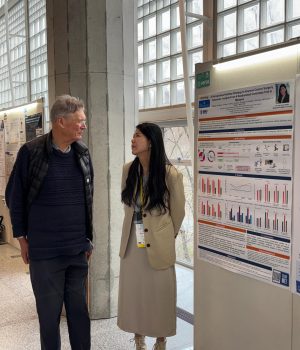
Showcasing Research and Interdisciplinary Collaboration
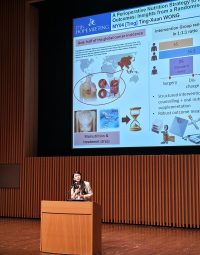
Another highlight of the meeting was the opportunity for participants to present their own research to both Nobel Laureates and fellow participants through a
- One-minute flash talk and
- Poster presentation.
I had the opportunity to share my work on perioperative nutrition strategies to improve recovery and survivorship outcomes among patients undergoing cancer surgery.
Presenting in such a diverse and interdisciplinary environment allowed me to receive valuable feedback and exchange perspectives with researchers from different fields.
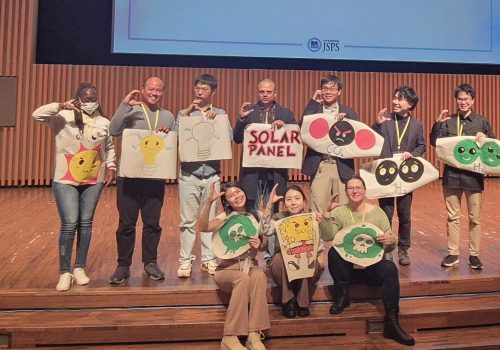
Besides that, we engaged in a team activity where participants from diverse disciplines collaborated to address a selected Sustainable Development Goal (SDG).
By combining our expertise—from clinical nutrition and medicine to physics and public health—we worked together to propose practical, interdisciplinary solutions to complex global challenges.
The meeting also included visits to leading research institutions in Japan, where participants observed cutting-edge facilities and learned about ongoing scientific projects.
Beyond Science: Cultural Exchange and Global Connections
Beyond the scientific programme, the HOPE Meeting also emphasised cultural exchange and networking. cultural activities, receptions, and the farewell dinner provided opportunities for participants to interact in a more informal setting while appreciating the traditions and hospitality of the host country.
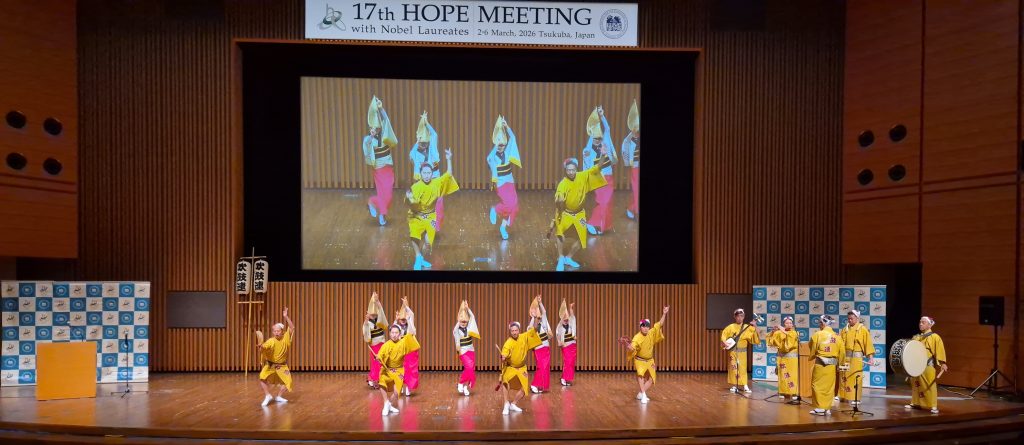
A Journey Shaped by IMU
I am deeply grateful to IMU University, Vice-Chancellor Dato’ Dr Asma Ismail and Institute for Research, Development and Innovation (IRDI) for supporting my participation in this extraordinary programme. IMU University has played a significant role in shaping my academic and professional journey, as I completed my degree and PhD here and now have the privilege of contributing as part of the academic community.
I am also thankful to my doctoral supervisory team led by Prof Dr Winnie Chee, whose mentorship has guided my research development. The opportunity to represent IMU University and Malaysia on the global stage was both an honour and a reminder of the strong foundation the university has provided throughout my journey.
A Moment to Treasure
Participating in the HOPE Meeting broadened my perspective on global scientific challenges and reinforced the importance of interdisciplinary collaboration.
The Japanese concept 一期一会 (Ichigo Ichie) —translated as “one time, one meeting” — beautifully captures the spirit of the HOPE Meeting. While this gathering may be a once-in-a-lifetime experience, the inspiration, knowledge, and friendships formed will continue to shape my research journey for many years to come.
More importantly, the insights gained from interacting with Nobel Laureates and fellow scientists from around the world motivate me to continue advancing research, education, and collaboration at IMU University, while contributing to scientific progress and healthcare improvements in Malaysia.
Article written by Dr Wong Ting Xuan (Lecturer of School of Health Sciences, Alumna of DN113 and PHMS 2018)
Thoughts Shared