

The Ron Harden Visiting Professorship in Medical Education at IMU is established with the primary purpose of appointing from among suitable persons in the medical and health fraternity to conduct teaching and research in the area of medical education. Such persons will also assist and provide advice on the development of ICE.

Ronald Harden Visiting Professor
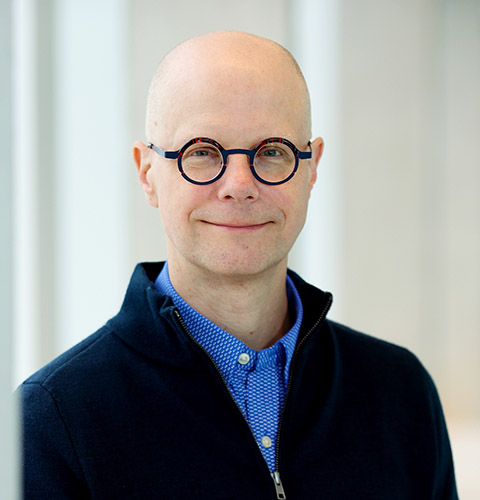
Professor Walter Eppich
MD, PhD
Professor of Work Integrated Learning Research
Department of Medical Education & Collaborative Practice Centre
Faculty of Medicine, Dentistry and Health Sciences
The University of Melbourne, Australia.
Visit Date: 8 October – 24 October 2025
Prof Walter Eppich is Professor of Work Integrated Learning in the Department of Medical Education and Collaborative Practice Centre at the University of Melbourne. A paediatric emergency doctor, educator, and researcher, he helps teams unlock their collaborative potential and optimize their performance in high-pressure environments. He holds a PhD in Health Professions Education and an Advanced Diploma in Professional and Executive Coaching. His teaching and research help teams enhance performance and learn from adversity to emerge more capable, resilient, and adaptive. He studies the intersections between simulation and workplace learning, focusing on interprofessional collaborative practice, team reflection, and conversational learning.
Highlight of RHVP 2025:
Professor Eppich will engage with the IMU community through a series of activities as highlighted below from 13th to 24th October 2025. These activities are designed to support excellence in teaching and learning, with a special focus on feedback and coaching in HPE, simulation-based learning and debriefing and professional education and collaboration.
- Workshop: Empowering Interprofessional Champion – From Identity to Implementation
- Academic Plenary: Conversational Learning In Health Profession Education – Learning Through Talk
- Workshop: Debriefing in Simulation-based Learning (PEARL)
- Workshop: Writing up your qualitative research findings: Storytelling for impact
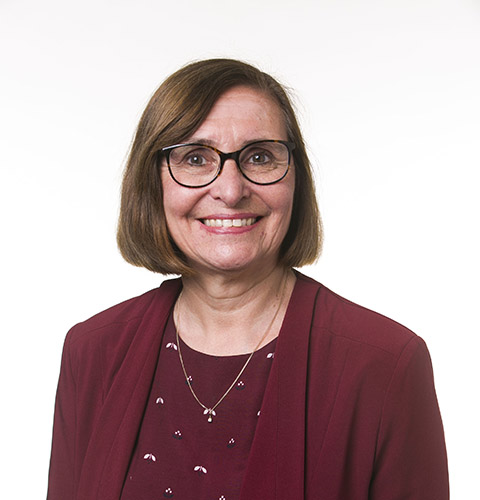
Emeritus Professor Dame Jane Dacre
BSc, MBBS, MD, FRCP, FHEA
Emeritus Professor of Medical Education, UCL
Notable Roles: President, Medical Protection Society; Chair, UK Health Honours Committee; Specialist Advisor to Parliament.
Visit Date: 26 October 2024 – 23 November 2024
Dame Jane Dacre is a distinguished leader in medicine, renowned for her contributions to medical education, healthcare leadership, and gender equality. She has led significant initiatives such as the Gender Pay Gap in Medicine review and the Commission on Pharmacy Professional Leadership. Dame Jane is also the host of the “Medical Women Talking” podcast and an esteemed speaker on topics related to healthcare and inclusivity.
Highlighted Achievements:
- DBE Queen’s Birthday Honours (2018)
- Chair of the Gender Pay Gap in Medicine Review Implementation Advisory Board
- Lead, Commission on Pharmacy Professional Leadership (2023)
Highlight of RHVP 2024:
OBA Question Writing Workshop
The workshop trained faculty in constructing high quality OBAs to assess higher order thinking skills that measure application, analysis, and synthesis, not just recall. The participants learned to design a clear, focused stem with effective distractors and questions that meet all the quality indicators.
Academic Plenary: Influencing Policy Through Soft Power
This academic plenary explored the concept of soft power and its critical role in influencing public policy. The session covers the definition of soft power, its distinction from hard power, and its historical significance. The audience gained insights about the mechanisms and tools of soft power, including the role of culture, media, and education. The plenary highlighted how soft power has been effectively used to achieve policy goals. Additionally, the plenary also addressed the challenges and ethical considerations of using soft power, emphasizing the importance of transparency and integrity and practical strategies for leveraging soft power in various sectors such as healthcare and education.
Workshop: Standard Setting for Written Test
This workshop offers an in-depth exploration of various approaches to standard setting for written tests. Participants examined methods such as the Ebel and Angoff methods, evaluating the strengths and weaknesses of each. The workshop emphasizes how to effectively apply these methods to establish defensible cut scores, ensuring fair and valid assessments. By discussing the relative merits of each approach, participants gained the insights needed to make informed decisions on the best practices for their specific contexts, ultimately enhancing the integrity and reliability of their testing processes.
Leadership Course for Educators
This 4-days course covers a general introduction to leadership including leadership theories, personality types, and values. A selection of local HPE leaders were invited to speak to the participants about their leadership journey. Action Learning sets was conducted on a leadership issue that the participants bring, and have a session called leadership in action, where participants undertake a leadership exercise and give and receive feedback. There were also a group task on “Digital Transformation” and how they would use their knowledge of leadership to bring change. On the last day, all participants presented their leadership journey, reflecting on what they have learned.
Academic Plenary: Inclusivity in Leadership: Addressing Gender Gaps in Health Professions
This academic plenary will explore the significant gender gaps in leadership within health professions. The session will provide an overview of current disparities, analysing recent trends and the systemic, cultural, and personal barriers that hinder advancement in healthcare leadership. Discussions will highlight the real-world impact of these gaps on healthcare outcomes and organizational effectiveness, supported by personal stories and statistical insights. The audience will gain practical strategies to promote gender equality, including best practices and policies, the importance of mentorship and professional networks, and successful case studies of initiatives that have reduced gender disparities.
Navigating Your Medical Journey: Insights and Inspirations
This inspirational career talk is designed for junior doctors and graduating students to equip them with essential tools for navigating the dynamic field of medicine.
Participants explored on:
- Understanding Change: Recognizing the unprecedented shifts in healthcare delivery, technology, and socio-economic factors that are shaping the medical profession.
- Embracing Uncertainty: Viewing uncertainty as an opportunity for innovation and professional growth rather than a barrier.
- Building Resilience: Learning the importance of resilience in overcoming challenges, including practical strategies to cultivate inner strength and adaptability.
- Career Development Strategies: Discussing mentorship and further education as key components for career advancement
- Fostering a Growth Mindset: Encouraging a lifelong learning attitude to continuously evolve in response to the changing healthcare landscape.
Workshop: Assessment Blueprint
An assessment blueprint is a detailed plan outlining the specific assessments for a course or programme. It can be a a useful roadmap for assessment alignment with learning outcomes at the programme, module, or test/exam level. This workshop aims to equip faculty with the skills to create effective assessment blueprints at the test/exam level that align with learning outcomes and ensure fair and valid assessments. Participants explored the components of assessment blueprints, learn how to design effective assessment items and address issues such as bias and fairness.
Workshop: OSCE Skill Enhancement: Advance Workshop on Effective Writing and Evaluation
This intermediate to advanced level workshop is designed to enhance participants’ skills in creating and refining OSCE stations and evaluating candidate performance with precision. Building on foundational knowledge, the workshop provides a deeper exploration of OSCE station development and introduces advanced techniques for performance assessment.
Associate Professor Subha Ramani
MBBS, MMEd, MPH, PhD, FAMEE
Harvard Medical School, Boston, Massachusetts
- President of the Association for Medical Education in Europe (AMEE)
- Associate Professor of Medicine Harvard Medical School
- Adjunct Professor, Massachusetts General Hospital Institute for Health Professions
- Honorary Professor of Medical Education, University of Manchester, UK
- Visiting Professor of Medical Education, University of Indonesia
- Ronald Harden Visiting Professor, International Medical University, Malaysia
Visit Date: 11 October – 4 November 2022
Highlight of RHVP 2022:
Academic Plenary: Professional Growth Through Mentoring: Fact or Fiction?
Many professionals who have successful careers often share that they would not have gotten there without the advice and guidance of other wiser men and women. These people act as their mentors, supporting them in developing new skills, navigating political environments, challenging ideas, and expanding network. Nevertheless, mentoring does not always guarantee success as it depends on the mentor, the mentee as well as their mentoring relationship. In this plenary, the benefits of mentoring, the essential elements and other influencing factors (eg. Gender, organizational context) for its success are discussed.
Workshop: Scholarship in Health Professions Education
The pursuit of scholarly activities such as research, presentation and publication in health professions education facilitates the personal and professional growth as educators. The discussion on Boyer’s model of scholarship, Glassick’s standards for effective scholarship and how educators can craft a career as scholars was very meaningful and an eye-opening. Most pertinent among the activities were communicating research results and findings, reporting implementation and evaluation of innovations and synthesizing the literature on a given topic through effective presentations and manuscript writing. The oral and written forms of scholarly presentations, including publications, require a clear, systematic, purposeful and rigorous approach to have a significant impact on other educators or the field. The workshop was very engaging and supported the health professions educators in enhancing their presentation style and writing for scholarship skills.
Workshop: Bedside Teaching: Devising a Foolproof Plan for Success
Bedside teaching is seen as one of the most important modalities in teaching a variety of clinical skills important for the medical profession, but its effective use is declining as recent clinical teaching and learning is shifting away from the bedside. However, the value of bedside teaching is very much important as it has been shown to improve students’ diagnostic skills, provide students with authentic cases and most importantly to build therapeutic relationships with patients. As bedside teaching is still relevant in HPE, a strategy needs to be devised to ensure the relevancy and effectiveness of bedside teaching. There has been recent work that emphasizes patient engagement in bedside teaching. In addition to discussing skills for efficient and effective bedside teaching, the participants also discuss how to engage patients in these encounters in the Malaysian context.
Workshop: Making Workplace-Based Learning Effective
Workplace-based learning (WBL) is well recognised as one of the most effective approaches to translating theory into practice. Numerous factors can enhance the efficacy of workplace-based learning. This workshop discussed the principles of WBL and various strategies to enhance students’ development through WBL, which is applicable to both undergraduate and postgraduate training. The workshop also discussed the developmental approach to assessment such as roles of direct observation, feedback and practice improvement through coaching, and programmatic assessment to promote assessment for learning.
Workshop on Feedback and Coaching: A Bidirectional Approach
The primary goal of performance assessment, in clinical and non-clinical environments, is to calibrate the gaps between expected and current performance and help the learner narrow these gaps. This goal fosters the professional development and growth of learners. Self-reflection and feedback are integral to this process, however, feedback conversations may not always be effective. Recent research defines feedback as a dynamic, bidirectional process with a focus on growth. The effectiveness depends not only on how the feedback is given but also on how it is received and accepted. This can be challenging for the feedback giver and recipient.

Professor Cees van der Vleuten
Professor of Education at Maastricht University, The Netherlands
Department of Educational Development and Research in the Faculty of Health, Medicine and Life Sciences.
Director of the School of Health Professions Education
www.ceesvandervleuten.com
Visit Date: 22 April – 17 May 2019
Highlight of RHVP 2019:
Academic Plenary: A Vision for the Future of Assessment
In the last 50 years the field of assessment of professional competence has seen remarkable progress. Developments in assessment technology have taken place across all areas of professional competence, ranging from cognitive to behavioural and emotional aspects of competency. This has been accompanied by extensive research. In order to make assessment more meaningful for learning, however, we need to change our thinking around assessment. We need to move from assessment of learning to assessment for learning, from individual assessment methods to a systems approach of assessment, from cross-sectional assessment to longitudinal approaches to assessment. This presentation adressed holistic approach to assessment called programmatic assessment. This approach to assessment were discussed and the existing assessment practice were shared with the participants.
Professor Richard Hays
Professor of Medical Education
Rural Clinical School, School of Medicine, Faculty of Health, University of Tasmania
Professor of Remote Medicine and Health
Mt Isa Centre for Rural and Remote Health, James Cook University
Highlight of RHVP 2018:
Academic Plenary: Globalisation and Artificial Intelligence: Impact on Curriculum Development
Higher education has been radically transformed as a consequence of globalisation and emergence of artificial intelligence technology. One example is the removal of boundaries of space and time. Policy makers and curriculum developers need to rethink the purpose of education and support mechanism for the learners to order to produce synergy and collaboration among countries, communities and individuals. Some of the issues in curriculum development include QA in dispersed sites, serving the needs and demands of many different markets as well as meeting the learning preferences of future students. Professor Richard Hays shared his thoughts and insights on curriculum development driven by value creation and efficiency enhancement, given the opportunities offered by globalisation and AI technology.
Workshop on Research and Scholarship in Health Professions Education
Research and scholarship are among the roles of a teacher. To excel in these areas, one is required to engage in continual professional reflection and renewal, including active participation and interaction with the health professions education community through conferences and publications. In this workshop, the participants mapped out the research and scholarship activities and aligned them with the other functions of academics.
Workshop on Assessment in Health Professions Education (Intermediate Level)
Assessment is an integral component of a curriculum. It is the process of making a judgment on whether the learning outcomes are achieved through a systematic collection, review and use of information. The topics covered in 1-day workshop include identifying the appropriate assessment tools, developing the assessment blueprint, standard setting and assessment psychometrics.
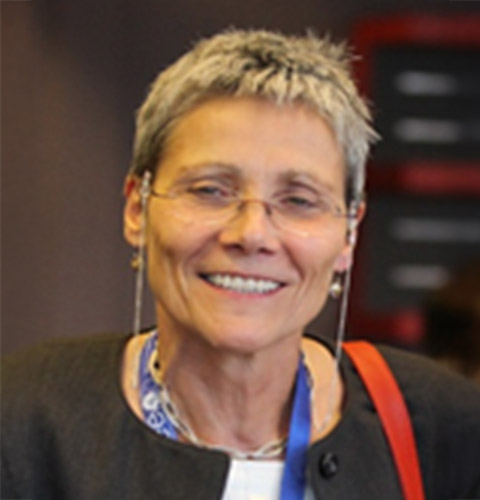
Professor Trudie E. Roberts
Director
Leeds Institute of Medical Education
Highlight of RHVP 2017:
Academic Plenary: Professional Integrity: Challenges and consequences.
The crucial issue of Professional Integrity for Health Professionals was discussed in this plenary. It covers challenges and consequences in healthcare and during tertiary education. The issue of student cheating and its causes has been focused on with areas for reflection from student, faculty and institutional perspectives.
Workshop on Assessing Professionalism in Health Professions Education
Professionalism is an important aspect of training health professionals, given their roles, responsibility and accountability in patient care and patient safety.
Professionalism is also an essential graduate outcome of health professions education as stipulated by accreditation and professional bodies. Valid and reliable assessment programmes are essential and should include professionalism. The scope and tools for assessing professionalism with a contextual approach was covered in this half-day workshop.

Professor Lambert Schuwirth
Strategic Professor in Medical Education
Flinders University
Professor Lambert Schuwirth obtained his MD and PhD from Maastricht University, highlighting a strong foundation in medical education. He is known for his extensive research in assessment and medical education, with significant citations in academic literature. In 1991 Professor Schuwirth joined the department of Educational Development and Research, taking up various roles in student assessment: chairman of the inter-university and local progress test review committees, OSCE review committees and key-feature assessment committees. Early 2000 he became chair of the task force on assessment. He has been advisor to various royal colleges in the Netherlands and the UK. Since 2007 he has been a full professor for Innovative Assessment at Maastricht University and in 2011 he became strategic professor for Medical Education at Flinders University in Adelaide and director of the Prideaux Research Centre.
Highlight of RHVP 2016:
- Workshop: Research Design for HPE for IMU
- Workshop: Publication in HPE
- Workshop: MCQ Item Writing
- Workshop: Judgement Base Assessment
- Workshop: Programmatic Assessment
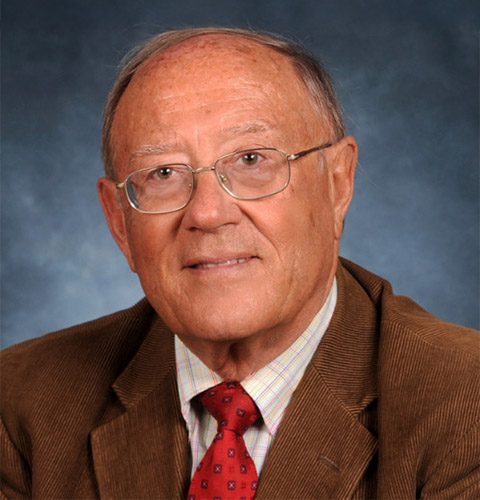
Professor Joseph S. Gonnella
Distinguished Professor & Dean Emeritus & Director
Department of Medicine
Philadelphia University and Thomas Jefferson University
Joseph S. Gonnella, MD is a Distinguished Professor of Medicine and Dean Emeritus of Jefferson Medical College. He has a longstanding influence in medical education and research. He has authored more than 100 research works, with notable focus on clinical empathy, emphasizing its importance in healthcare. His work has focused heavily on the connection between medical knowledge, capabilities, and actual clinical performance. He developed classifications for stages of disease progression used widely in evaluating healthcare quality. He also founded and directs the Asano-Gonnella Center for Research in Medical Education and Health Care at the university, which supports faculty in evaluating medical students’ knowledge and skills.
Highlight of RHVP 2015:
- Academic Plenary: Future of Medical Education and measurement of its quality
- Workshop: Assessment of Professionalism
- Seminar: Tracking Your Graduates
- Workshop: Publishing in Health Professional Education

Professor Karen V. Mann
Professor Emeritus
Division of Medical Education
Dalhousie University
Professor Karen Mann was an illustrious but humble scholar with over 50 years of progressive contributions in the field of medical education. She She joined the Faculty of Dalhousie University Faculty of Medicine in 1986, and was Professor Emeritus in the Division of Medical Education. Dr Mann was also Professor in Dalhousie’s School of Nursing, and held a part-time appointment as Chair in Medical Education at Manchester Medical School. Her main research interests were in self- assessment and feedback, as well as professional development, experience based learning and inter-professional education. She served as Associate Dean for the MD program at Dalhousie University from 1990-1998, and also in 2001 and 2008.
Her main research interests were in self-assessment and feedback, as well as faculty development, experience based learning and interprofessional education. She served on the editorial boards of a number of international medical education journals.
Recognised for her relevant and impactful contributions, Karen received numerous awards including the Distinguished Contributions to Medical Education in 1996 by CAME, a Dalhousie Instructional Leadership Award in 2000, the 2005 Award for Contributions to Medical Education Research from the Society of Academic CME, and in 2007 she was awarded honorary membership in the College of Family Physicians of Canada. Karen was also awarded the notable Merrell Flair Award for distinguished contributions to medical education in North America in 2010.
Highlight of RHVP 2014:
- Workshop: Providing Effective Feedback
- Workshop: Assessment of Clinical Competence
- Workshop: Strategies to improve reflective writing skills among students
- Workshop: Assessment of reflective writing assignments
- Workshop: How can we improve students’ self-assessment and evaluation skills
- Workshop: Implementing values based practice in health professional curricula
- Workshop: Strategies to motivate students for life-long learning
- Workshop: Bridging the preclinical and clinical years in health professional education
- Workshop: Teaching Patient-Centred Care
- Workshop: How do we assess professionalism
Professor Edward Peile
Emeritus Professor of Medical Education
University of Warwick
Prof Piele is the Emeritus Professor of Medical Education, Warwick Medical School, University of Warwick in United Kingdom. He is the former Associate Dean (Teaching) and Head of Institute of Clinical Education at Warwick Medical School. Prof Piele studied medicine at the Middlesex Hospital, London and had specialist training in paediatrics and renal medicine. He is also trained as a GP. A Fellow of three Royal Medical Colleges (Physicians, Paediatrics and Child Health, and General Practitioners), Prof Piele is also a Fellow of the UK Higher Education Academy and Academy of Medical Educators. In 2010, Prof Peile received the President’s Medal of the Academy of Medical Educators for his lifetime achievement in medical education. He has published numerous peer-reviewed articles and is the co-author of the book, “Essentials of Values-based Practice: Clinical Stories Linking Science with People”. Prof Piele is currently active in teaching and research. He is a Values-Based Practice co-investigator and EU Enhancing Human Resources and Articulating Innovative Technologies for Maternal and Perinatal Survival in sub-Saharan Africa (ETATMBA) project participant.
Highlight of RHVP 2013:
- Workshop: Self – Assessment and Evaluation of Peers
- Seminar: Clinical Education – Balancing Responsibility to Students and Society
ICE Visiting Professor
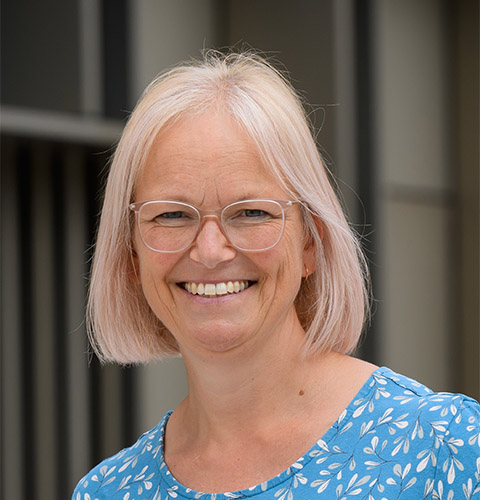
Prof Kate Owen
Professor Kate Owen is a General Practitioner by background and is now a full-time specialist medical educator and Director of Medical Studies at Warwick Medical School. Her interests are in co-production with students and patients, patient safety, and compassion. She is Co-Chair of the AMEE Aspire Student Engagement Group and Chair of the Midlands Medical Education Group. Her research interests have included careers in general practice and student experience. She is currently PI for a large project on compassion training for medical students in conjunction with Monash University.
Highlights:
- OSCE Station Writing Workshop
- Effective Clinical Educator Workshop

Prof Veena Singaram
Prof Veena Singaram is an Associate Professor in Health Professions Education and Academic Leader of Research and Higher Degrees in the School of Clinical Medicine at the University of KwaZulu-Natal in South Africa. She has a doctorate in health professions education (HPE) from Maastricht University in the Netherlands and a fellowship from the Sub-Saharan African Foundation for Advancement in Medical Education Research (FAIMER). She is the Kwa-Zulu Natal (KZN) chair of the Southern African Association of Health Educationalists (SAAHE).
She is an executive member of the national Work-based Assessments (WBAs) and Entrustable Professional Activities (EPAs) committees in South Africa. She has published and presented widely in HPE and has graduated several Masters and Doctoral students. She was awarded several research grants and is a member of the editorial board of BMC Medical Education. The UKZN School of Clinical Medicine awarded her the REACHT Academic Award (2021) and the Technology Innovation Teaching Award (2022).
Prof Singaram was also awarded the Distinguished Educator Award from the Southern African Association of Health Professions Educationalists (2022) for her contribution to medical education research, scholarship, and leadership nationally and internationally. She has also been selected to become a Karolinska Institutet’s Prize for Research in Medical Education Fellow for 2023.
Her scholarly interests include; developing students’ potentialities, technology-enhanced learning, formative assessment feedback, and collaborative learning environments within a transformative learning paradigm.
Highlights:
- Formative Assessment and Feedback in Clinical Setting
- Mobile Technologies to Support Workplace Based Assessment for Entrustment Decisions
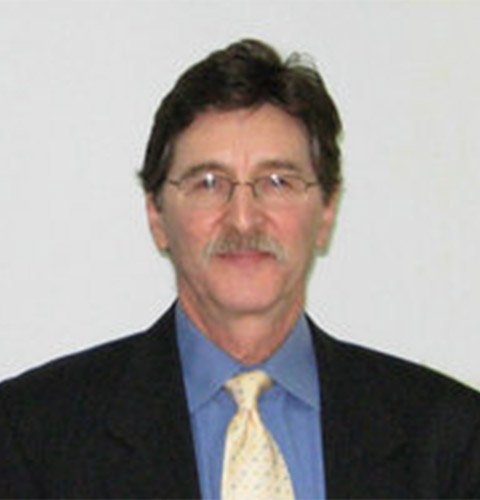
Prof Dr Stewart Mennin
Professor Dr Stewart Mennin, has been contributing to innovation in health professions education for more than 35 years. He is Principal of Mennin Consulting & Associates, Inc., Professor Emeritus of Cell Biology and Physiology, and former Assistant Dean for Educational Development and Research at the University of New Mexico School of Medicine, Albuquerque, New Mexico, USA.
He has developed a program on leadership in difficult times which he runs for various organizations. Notably, he has run regular courses for the Association for Medical Education (AMEE) and the World Health Organisation (WHO).
Highlights:
- Online Webinar on The Essential Nature of Uncertainty, Complexity & Wicked Issues in Health Professions Education and Practice
- Workshop: Leadership: The future of the health professions workforce
Prof Richard Hays
Professor Richard Hays, Associate Head of the University’s Division of Medicine, was recently bestowed an Honorary Doctorate of Medicine from the International Medical University in Malaysia (IMU).
Professor Hays is a rural medical generalist and he also carries qualifications in educational psychology and medical education and has had roles in the development of medical education programs, including new medical schools in Australia, UK, Ireland, Canada and South-East Asia.
He has also participated in international medical education quality assurance reviews in Australia, New Zealand, the Western Pacific region, Asia, Europe and the UK. His research includes curriculum and assessment practices that deliver particular workforce outcomes, with a strong social accountability focus, overlapping strongly with rural health service delivery and program evaluation interests.
Professor Hays has been a visiting academic at the IMU since 2013, where his contributions have seen him become a member of the Professional Education Advisory Committee (PEAC). He is also actively involved in the review of programmes and its quality of delivery.
Highlights:
- Workshop on Academic Writing for all PGHPE students

Prof Ming-Jung Ho
Professor Ming-Jung Ho, is a Professor in the Department of Family Medicine, Georgetown University School of Medicine, and the Associate Director for the Center for Innovation and Leadership in Education (CENTILE), Georgetown University Medical Center (GUMC). She is also the Director of GUMC Teaching Academy in the Health Sciences and Director of Educational Research, MedStar Health. Her research interest lies in the application of anthropology to medical education.
Her research projects on the theme of cross-cultural professionalism have garnered awards from the Association for Medical Education in Europe, the Taiwan Association of Medical Education, and the National Science Council of Taiwan.
Highlights:
- Workshop: Implementation of Professionalism In Health Professions Programmes
- Workshop: Qualitative Research For Health Professions Education
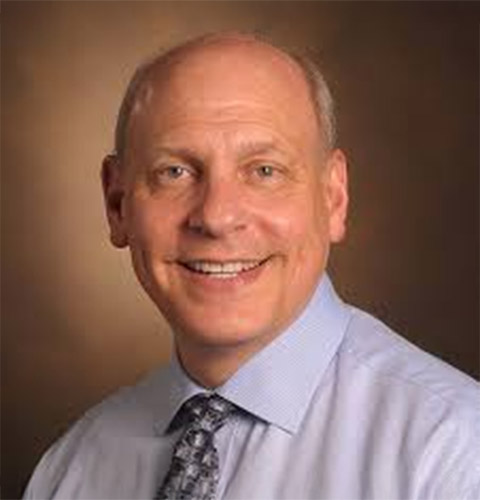
Prof Dr Neil Osheroff
Prof Dr Neil Osheroff, received his PhD in Biochemistry and Molecular Biology from Northwestern University and was a Helen Hay Whitney Foundation Fellow at the Stanford University School of Medicine. He currently is Professor of Biochemistry and Medicine at the Vanderbilt University School of Medicine and holds the John G. Coniglio Chair in Biochemistry.
Prof Dr. Osheroff directs a research laboratory that has made seminal contributions to our understanding of how enzymes known as topoisomerases function, regulate the topological state of DNA, and serve as targets for a number of widely prescribed anticancer and antibacterial drugs.
Prof Dr. Osheroff has been a course director in the Vanderbilt University School of Medicine since 1990 and was one of four faculty members tasked with developing and implementing the pre-clerkship phase of the medical curriculum as part of a major revision in 2013. He currently co-leads the pre-clerkship phase and chairs the phase’s teaching team. He also directs the School of Medicine Academy for Excellence in Education and chairs the Master Science Teacher group. Internationally,
Prof Dr. Osheroff is a Past-President of the Association of Biochemistry Educators and sits on the Steering Committee of the Asia Pacific Biomedical Science Educators Association. He served as the Treasurer of the International Association of Medical Science Educators from 2016-2019 and as of January 1, 2020, serves as the President of the Association and also has received awards for mentoring, teaching, curricular design, educational leadership and service, and promoting diversity and inclusion. He also has been inducted as a Fellow of the American Association for the Advancement of Science. He has published over 250 papers and has presented more than 300 scientific and educational talks in 32 different countries.
Highlights:
- Academic Plenary Talk- Integrating Foundational and Clinical Sciences Throughout the Medical Curriculum
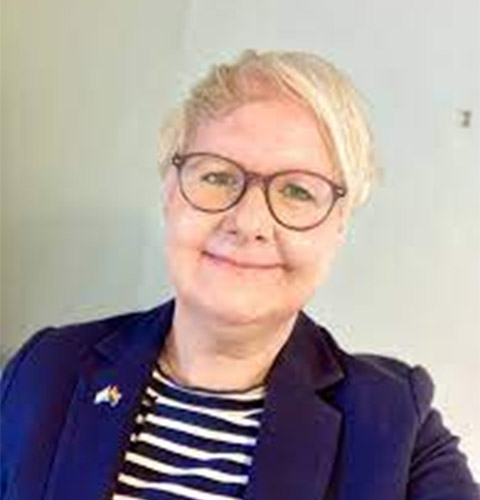
Prof Richard Fuller
Prof Richard Fuller is a Consultant Geriatrician/Stroke Physician and Vice-Dean of the School of Medicine at the University of Liverpool.
He is responsible for directing the MBChB degree programme, generating exciting new initiatives in curriculum design, mobile technology, Assessment and personalised learning.
Prof Fuller main research interests focus on assessment, and Prof Fuller leads the Institute’s Assessment Research Group. Prof Fuller’s current research focuses on the ‘personalisation’ of assessment, to support individual learner journeys. This is underpinned by work from the Group focusing on the application of intelligent assessment design in campus and workplace based assessment formats, assessor behaviours, mobile technology delivered assessment and the impact of sequential testing methodologies.
Prof Fuller publishes and speaks regularly at leading international medical education conferences and is a faculty member at a number of leading global assessment courses. Prof Fuller holds a number of national/UK advisory roles, including acting as an assessment expert for the General Medical Council – and undertakes a range of advisory and developmental work in relation to curriculum, senior faculty development and assessment for a number of international institutions.
Prof Richard Fuller has been a regular visitor to IMU to work on collaborative projects in research, teaching and program development.
Highlights:
- Workshop: Designing Objective Structure Clinical Examination (OSCE) Stations
- WBAs in Practise Observations in Contextual Settings
- Workshop: Workplace Based Assessment
- Plenary: Professionalism Assessment Challenges

Prof Ray Peterson
Prof Ray Peterson, is the Associate Professor Education and Innovation, University of Adelaide since 2011.
Prof Peterson has a BSc(Hons) and DipEd from Flinders University, and PG DipScEd, MAppSc and PhD from Curtin University. He was the Director of the MBBS Programme and Head of the Discipline of Medical Education at the University of Queensland.
As Director of the MBBS Programme, he has overall operational responsibility and quality assurance for the delivery of all four years of the Graduate Medical Programme. Part of his responsibility is to provide ongoing educational review and improvements in the design, delivery and assessment of the programme. He was also Chair of the MBBS Curriculum Committee and Head of Assessment.
As Head of Discipline of Medical Education, Prof Peterson is responsible for the scholarship of teaching, learning and assessment, and projects, which lead to better quality outcomes in program delivery. He has broad-ranging interests in teaching and learning and is supervising Ph.D. students in medical, dental, health and physiotherapy education.
Since 2008, Prof Peterson has been a regular visitor to IMU to work on collaborative projects in research, teaching and program development.
Highlights:
- Plenary: Current Updates in Small Group Teaching
- Writing Retreat
- Research Advisory Clinic
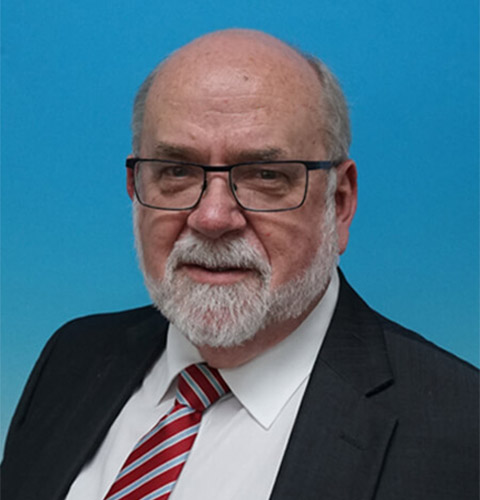
Prof Ian Wilson
Professor Ian Wilson graduated in medicine from the University of Adelaide and then became a general practitioner. He has practiced in the armed services, inner city, rural and suburban practice. During this time Ian became very interested in medical education and spent time with The Royal Australian College of General Practitioners (RACGP) training programs, initially as a medical educator and then as State Director for South Au. While Ian’s research initially focussed on primary care mental health, his more recent research has focussed on medical education.
His current research interests are student selection and student development. He has had three Australian Research Council (ARC) research grants and a number of other competitive research grants. Ian’s educational interests are in curriculum development, quality assessment and small group teaching.
Highlights:
- Plenary on Digital Professionalism
Full video of the plenary > - Health Professions Education Research Clinic

Dr Rebecca O’Rourke and Helen Bradbury
Dr Rebecca O’Rourke is a Principal Teaching Fellow at University of Leeds, United Kingdom.
Dr O’Rourke is also the Deputy Programme Lead for Postgraduate Clinical Education Programme. Her area of expertise includes: Academic Writing Pedagogies; Critical Social Theory; Professional Learning in and for the Clinical Workplace; Scholarship of Learning and Teaching; Qualitative Research Methodology.
Helen Bradbury is an Associate Professor in Pharmacy Education and Professional Lead for Pharmacy in University of Leeds, United Kingdom.
Helen works in Healthcare Education for the Faculty of Medicine and Health at the University of Leeds. She also lead on the Regional Preregistration Pharmacist training programme in Yorkshire and the Humber. She has published on reflective practice, e-learning and practical prescribing for medical students.
Highlights:
- Plenary: Publishing in Medical Education: Common pitfalls and how to avoid them
- Workshop: Research Writing for Publication
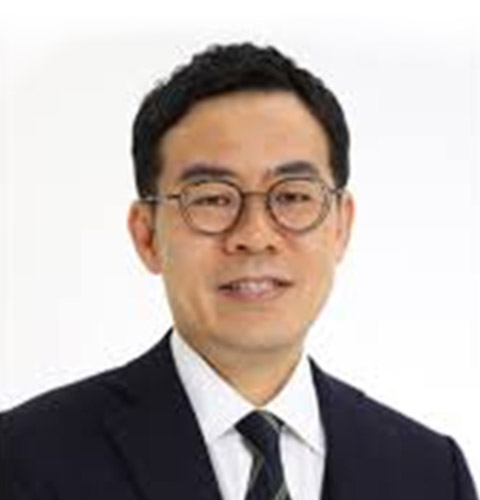
A/Prof Hiroshi Nishigori
Professor Hiroshi Nishigori graduated from Nagoya University School of Medicine in 1998 and became a Fellow of the Japanese Society of Internal Medicine (2004) and a Diplomate in Primary Care of the Japan Primary Care Association (2011). He obtained a Master’s Degree in Medical Education from University of Dundee in 2008 and completed PhD in Health Professions Education in Maastricht University in 2020.
His research interests include culture and medical professionalism (especially work ethic), Hypothesis-Driven Physical Examination (HDPE) and teaching and assessing behavioural and social sciences. He is working as an editor of the Journal, Medical Education Japan, a core member of the Asian Pacific Medical Education Network (APME-Net) and an Ambassador of the Association of Medical Education in Europe (AMEE) in Japan. He is also the Visiting Program-Leading Professor at the Medical Education Center, Kyoto University, Japan.
Highlights:
- Academic Plenary on BUSHIDO and Medical Professionalism in Japan
Video of the talk >