%202024.png)



The healthcare landscape is constantly evolving, with challenges such as rapid technological advancements, shifting regulations, and increasing financial pressures. To navigate these complexities effectively, hospitals need leaders equipped with the right skills to inspire their teams, resolve conflicts, and optimise operations.
This programme is designed for all healthcare professionals, both clinical and non-clinical. Explore critical areas such as motivation, understanding job design, leadership styles, conflict negotiation, financial leadership, and marketing – all tailored to the unique challenges of hospital administration.

Who Will Benefit?
This programme is designed for hospital management professionals in both clinical and non-clinical functions who are eager to broaden their knowledge on the pertinent issues within the industry.
- Managers in private and public hospitals
- Directors, Heads of Departments, and General Managers in public and private hospitals
- Government policy makers in healthcare delivery
- Leaders of functional departments within hospitals
Benefits of Joining This Programme
01
Network and learn from peers from across the healthcare industry
02
Work on practical case studies
03
Gain rare dual institutional expertise
04
Establish robust AI governance
05
HRD Corp Claimable*
*Subject to approval by HRDC
06
MMA CPD Points Claimable*
*subject to approval by MMA
Programme Themes
Explore the principles of effective leadership, team development, and fostering a values-driven workplace culture. This theme emphasizes conflict resolution, job design, and personal leadership styles to create empowered and motivated teams.
Develop the ability to make data-driven decisions and lead transformative growth initiatives. This theme covers strategies for navigating change, driving competitive advantage, and positioning your organization for long-term success.
Learn to optimise hospital operations through innovative practices and efficient use of technology. This theme includes mastering financial literacy, risk management, and service innovation to enhance productivity and patient outcomes.
Learning Outcomes
Programme Modules & Schedule
This module aims to equip healthcare managers with essential tools to enhance staff motivation and team performance. Participants will explore key concepts of motivation, effective job design, and goal-setting techniques while learning practical strategies to inspire and manage high-performing teams in dynamic healthcare environments.
Learning Outcomes:
- Understand Motivation: Grasp key motivation concepts to improve individual and team performance.
- Optimise Job Roles and Goals: Apply job design and goal-setting to enhance staff productivity.
- Lead High-Performing Teams: Inspire and manage teams for optimal outcomes.
Trainer:
- Dr Shunitra Devi Chandra Segran, CEO, Querist Consulting
Date:
10 Feb 2026
Programme Schedule:
| Time | Itinerary |
|---|---|
| 9:00 – 9:15am | Welcome & Ice Breaker |
| 9:15 – 10:30am | What Drives Us & What Drains Us |
| 10:30 – 10:45am | Morning Break |
| 10:45 – 12:00pm | The Architecture of Work: Job Design for Leaders |
| 12:00 – 1:00pm | Lunch |
| 1:00 – 2:15pm | Leadership Sandbox: “Jobathon” – A Job Design Hackathon |
| 2:15 – 3:00pm | Goal Setting for High Performance |
| 3:00 – 3:15pm | Tea Break |
| 3:15 – 4:30pm | Getting the Best out of your Team |
| 4:30 – 5:00pm | Summary & Wrap Up |
This module explores the critical role of values in shaping effective leadership within healthcare organisations. Participants will gain the skills to align organisational objectives with core values, build trust, and drive sustainable success by cultivating a positive and purposeful workplace.
Learning Outcomes:
- Demonstrate the ability to lead by example, fostering a values-driven culture that aligns with organisational priorities.
- Develop strategies that inspire and motivate teams to achieve individual and collective success.
- Apply mentoring and motivational techniques to nurture talent, enhance team dynamics, and support professional growth.
Trainer:
- Dr Shunitra Chandra Segran, CEO, Querist Consulting Sdn Bhd
Date:
4 Apr 2026
This module offers healthcare managers an exploration of leadership styles and how they impact team dynamics and organisational outcomes. Participants will learn to adapt their approach using situational leadership principles and effectively manage diverse personalities within their teams. Through self-reflection and practical tools, managers will develop a personalised leadership style that fosters collaboration and drives results in complex healthcare environments.
Learning Outcomes:
- Identify and evaluate different leadership styles and their suitability for various team and organisational contexts.
- Apply situational leadership techniques to manage teams effectively and adapt to changing circumstances.
- Develop strategies to manage diverse personalities, leveraging individual strengths to build cohesive and high-performing teams.
Trainer:
- En Azman Shah, CEO, Performance Development Consultants
Date:
May 2026
Programme Schedule:
| Time | Itinerary |
|---|---|
| 8:30 – 9:00am | Registration & Morning Refreshments |
| 9:00 – 9:15am | Welcome and Programme Overview |
| 9:15 – 10:30am | Session 1: Exploring Leadership Styles
|
| 10:30 – 10:45am | Morning Break |
| 10:45 – 12:00pm | Session 2: Matching Leadership to Context
|
| 12:00 – 1:00pm | Session 3: Situational Leadership in Practice
|
| 1:00 – 2:00pm | Lunch Break |
| 2:00 – 3:30pm | Session 4: Managing Diverse Teams
|
| 3:30 – 3:45pm | Afternoon Break |
| 3:45 – 4:45pm | Session 5: Simulation Exercise: Leadership in Action
|
| 4:45 – 5:00pm | Closing Remarks and Post-Assessment
|
This module demystifies financial management for healthcare managers, providing the knowledge and skills needed to align financial decisions with organisational KPIs. Participants will gain an understanding of key financial concepts, develop a results-driven mindset, and learn to make informed decisions that balance cost efficiency with quality care. By the end of the module, managers will be equipped to contribute effectively to their organisation’s financial sustainability.
Learning Outcomes:
- Align decision-making with key performance indicators (KPIs) in healthcare settings.
- Foster a results-oriented mindset to balance financial goals with operational and patient care priorities.
- Apply financial strategies to improve cost efficiency, resource allocation, and overall organisational performance.
Trainers:
- Ms Hoo Ling Lee, Regional CEO (Central), KPJ Healthcare
- Prof Saravanan Muthaiyah, Dean School of Business and Technology, IMU University
Date:
Jun 2026
Programme Schedule:
| Time | Itinerary |
|---|---|
| 8:30 – 9:00am | Registration & Morning Refreshments |
| 9:00 – 9:15am | Welcome and Programme Overview |
| 9:15 – 10:30am | Session 1: Introduction to Healthcare Finance
|
| 10:30 – 10:45am | Morning Break |
| 10:45 – 12:00pm | Session 2: KPIs and Financial Decision-Making
|
| 12:00 – 1:00pm | Session 3: Balancing Finance, Operations, and Patient Care
|
| 1:00 – 2:00pm | Lunch Break |
| 2:00 – 3:30pm | Session 4: Financial Strategies for Efficiency and Performance
|
| 3:30 – 3:45pm | Afternoon Break |
| 3:45 – 4:45pm | Session 5: Simulation Exercise: Financial Strategy in Action
|
| 4:45 – 5:00pm | Closing Remarks and Post-Assessment
|
This module prepares healthcare managers to effectively lead and navigate change within their organisations. Participants will learn strategies to cope with change, foster resilience, and communicate effectively to align teams with evolving goals. Through practical tools and real-world examples, managers will gain the confidence to manage transitions, minimise resistance, and create a culture that embraces innovation and adaptability.
Learning Outcomes:
- Identify the stages of change and apply strategies to help teams and individuals cope effectively with transitions.
- Demonstrate the importance of clear and consistent communication in managing change and reducing resistance.
- Lead change initiatives by fostering a positive culture of adaptability and resilience within healthcare organisations.
Trainers:
- Mr Tim Dinwiddie, Senior Advisor, TPG
- Prof Saravanan Muthaiyah, Dean School of Business and Technology, IMU University (FIRM)
Date:
Jun 2026
Programme Schedule:
| Time | Itinerary |
|---|---|
| 8:30 – 9:00am | Registration & Morning Refreshments |
| 9:00 – 9:15am | Welcome and Programme Overview |
| 9:15 – 10:30am | Session 1: Understanding Change
|
| 10:30 – 10:45am | Morning Break |
| 10:45 – 12:00pm | Session 2: Strategies for Managing Transitions
|
| 12:00 – 1:00pm | Session 3: Communicating Change Effectively
|
| 1:00 – 2:00pm | Lunch Break |
| 2:00 – 3:30pm | Session 4: Leading Change Initiatives
|
| 3:30 – 3:45pm | Afternoon Break |
| 3:45 – 4:45pm | Session 5: Simulation Exercise
|
| 4:45 – 5:00pm | Closing Remarks and Post-Assessment
|
This module empowers healthcare managers to drive service excellence by understanding and applying the principles of the Service Profit Chain. Drawing on examples and case studies from industries outside healthcare, participants will explore innovative approaches to service transformation. Using problem-solving methodologies, managers will learn to address challenges, enhance service quality, and create value for patients and staff alike.
Learning Outcomes:
- Understand the Service Profit Chain and its application in improving service delivery and organisational performance.
- Analyse examples and case studies from various industries to identify best practices for achieving service excellence.
- Utilise problem-solving methodologies to implement effective service transformation strategies in healthcare operations.
Trainers:
- Ms Neeta Lachmandas, Founder ConsciousService Pte. Ltd.; Former Executive Director, Institute of Service Excellence, Singapore Management University
- Dr Shilpa Murthy, Senior Lecturer, Clinical
Date:
Jul 2026
Programme Schedule:
| Time | Itinerary |
|---|---|
| 8:30 – 9:00am | Registration & Morning Refreshments |
| 9:00 – 9:15am | Welcome and Programme Overview |
| 9:15 – 10:30am | Session 1: Introduction to Service Transformation
|
| 10:30 – 10:45am | Morning Break |
| 10:45 – 12:00pm | Session 2: Applying the Service Profit Chain in Healthcare
|
| 12:00 – 1:00pm | Session 3: Best Practices in Service Excellence
|
| 1:00 – 2:00pm | Lunch Break |
| 2:00 – 3:30pm | Session 4: Problem-Solving for Service Transformation
|
| 3:30 – 3:45pm | Afternoon Break |
| 3:45 – 4:45pm | Session 5: Simulation Exercise: Designing a Service Transformation Plan
|
| 4:45 – 5:00pm | Closing Remarks and Post-Assessment
|
This module equips healthcare managers with the tools and strategies to manage organisational growth effectively. Participants will explore the dynamics of scaling operations, aligning growth strategies with organisational goals, and navigating challenges such as resource allocation and workforce expansion.
Learning Outcomes:
- Develop growth strategies that align with organisational objectives and respond to market opportunities.
- Manage challenges associated with scaling operations, including resource optimisation and workforce planning.
- Apply leadership and decision-making skills to guide sustainable growth and maintain service quality during expansion.
Trainers:
- Prof Gerard “Gerry” George – Group Managing Director, IMU Health Sdn. Bhd.
- Mr Timothy Chang – Executive Director, Asia One Healthcare
- Prof Saravanan Muthaiyah – Dean School of Business and Technology, IMU University
Date:
Aug 2026
Programme Schedule:
LiT Block, IMU University Technology Park Malaysia Campus
| Time | Session | Content & Activities |
|---|---|---|
| 9:00 – 10:45am | Session 1: Understanding Growth in Organisations (SkyScanner Case Study) by Prof Gerard George, Group Managing Director, IMU Health Sdn. Bhd. |
This session unpacks organisational growth through five key elements—boundaries, task, structure, motivation, and control. We also explore how misalignments can emerge as organisations expand. A case study will illustrate these challenges and how leaders can realign for sustainable growth. |
| 10:45 – 11:00am | Morning Break | Refreshments & networking |
| 11:00 – 1:00pm | Session 2: Developing Growth Strategies Aligned with Organisational Objectives by Prof Gerard George, Group Managing Director, IMU Health Sdn. Bhd. |
This session examines how organisational culture drives growth by ensuring alignment with shared objectives. Explore ways to build a culture that supports strategy, sustains motivation, and fosters long-term success. |
| 1:00 – 2:00pm | Lunch | Networking Lunch |
| 2:00 – 3:15pm | Session 3: Managing Challenges of Scaling Operations (CVSKL Case Study) By Mr Timothy Chang, Executive Director, Asia One Healthcare |
We will share leadership insights from the development of Cardiac Vascular Sentral Kuala Lumpur, highlighting the real-world challenges of establishing and scaling healthcare operations. Learn practical strategies for managing resources, workforce, and systems during periods of rapid growth. |
| 3:15 – 3:30pm | Afternoon Break | Light refreshments |
| 3:30 – 4:30pm | Session 4: Leadership & Decision-Making for Sustainable Growth By Prof Gerard George and Mr Timothy Chang |
This session focuses on the role of leadership in guiding organisations through growth. Participants will engage in reflection and discussion on decision-making approaches that balance opportunity with sustainability, supported by insights from the speakers. |
| 4:30 – 5:00pm | Closing & Action Planning By Prof Saravanan Muthaiyah, Dean, School of Business and Technology |
This session will bring together the key insights from the day. It will highlight the common threads across all sessions and guide participants in consolidating their learning into practical takeaways for their own organisations. |
This module provides healthcare managers with a comprehensive understanding of risk management principles, focusing on quality control and governance. Participants will learn to identify, assess, and mitigate risks to ensure patient safety, operational efficiency, and regulatory compliance. Through practical tools and case studies, managers will develop strategies to create a proactive risk-aware culture within their organisations.
Learning Outcomes:
- Identify and assess risks in healthcare operations, focusing on patient safety and organisational performance.
- Implement quality control measures and governance frameworks to mitigate risks and ensure regulatory compliance.
- Develop a risk management plan that fosters a culture of accountability and continuous improvement in healthcare settings.
Trainer:
- Prof Sharifah Sulaiha, Dean, School of Medicine, IMU University
Date:
Sep 2026
Programme Schedule:
LiT Block, IMU University Technology Park Malaysia Campus
| Time | Session | Focus & Activities |
|---|---|---|
| 9:00 – 10:15am | Session 1: Welcome & Objectives by Pn Eza Norjuana |
Start the day by getting to know each other and framing for the sessions ahead. To get alignment on the learning outcomes for the day. |
| 10:15 – 10:30am | Break | — |
| 10:30 – 12:30pm | Session 2: Fundamentals of Risk in Healthcare by Prof Sharifah Sulaiha |
Explore the different types of risks hospitals face — from clinical and operational to financial and IT. Learn how to assess risks, understand the concept of risk appetite, and see how these ideas apply through real-world incident examples. |
| 12:30 – 1:30pm | Lunch | — |
| 1:30 – 2:15pm | Session 3: Governance & Quality Control By Mr Andrey Abraham |
Learn how strong governance and quality control protect both patients and hospital operations. See practical examples of policies, SOPs, audits, incident reporting, and tools like CAPA and PDCA in action. Using case studies, explore how hospitals meet regulatory requirements. |
| 2:15 – 3:15pm | Session 4: Mitigation Planning & KPIs By Mr Andrey Abraham |
Turn identified risks into practical actions. Walk through how to translate top risks into controls, set KPIs and thresholds, and design dashboards to track them. Explore how to build a monitoring cadence that keeps leaders informed and helps your hospital stay ahead of potential issues. |
| 3:15 – 3:30pm | Break | — |
| 3:30 – 4:30pm | Session 5: Your Risk Management Plan By Prof Sharifah Sulaiha & Mr Andrey Abraham |
Working in teams, you’ll create a mini risk management plan for your unit or department. You’ll identify key risks, propose controls, assign owners, and set a review cycle. You’ll also consider culture enablers that make the plan sustainable. This hands-on activity will help you leave with a concrete framework you can adapt back at your workplace. |
| 4:30 – 5:00pm | Wrap Up By Pn Eza Norjuana |
Debrief and End |
This module equips healthcare managers with the skills to analyse competition, develop effective strategies, and position their organisations for success in a dynamic market. Participants will explore marketing principles, competitive analysis techniques, and strategic planning tailored to the healthcare industry. Through practical tools and case studies, managers will learn to differentiate their services and build sustainable competitive advantages.
Learning Outcomes:
- Conduct competitive analysis to identify market trends, strengths, and areas for differentiation in healthcare services.
- Develop marketing strategies that align with organisational goals and effectively reach target audiences.
- Design and implement competitive strategies to achieve long-term success and resilience in the healthcare sector.
Trainer:
- Ms Hoo Ling Lee, Regional CEO (Central), KPJ Healthcare
Date:
Oct 2026
Programme Schedule:
| Time | Itinerary |
|---|---|
| 8:30 – 9:00am | Registration & Morning Refreshments |
| 9:00 – 9:15am | Welcome and Programme Overview |
| 9:15 – 10:30am | Session 1: Understanding Competition in Healthcare
|
| 10:30 – 10:45am | Morning Break |
| 10:45 – 12:00pm | Session 2: Market Trends and Differentiation Strategies
|
| 12:00 – 1:00pm | Session 3: Strategic Marketing in Healthcare
|
| 1:00 – 2:00pm | Lunch Break |
| 2:00 – 3:30pm | Session 4: Designing Competitive Strategies for Success
|
| 3:30 – 3:45pm | Afternoon Break |
| 3:45 – 4:45pm | Session 5: Simulation Exercise: Strategy Lab
|
| 4:45 – 5:00pm | Closing Remarks and Post-Assessment
|
This module equips healthcare workers with the knowledge and skills to make data-informed decisions in an increasingly complex and dynamic healthcare environment. Participants will explore the role of analytics and business intelligence in supporting strategic and operational decisions. Key topics include frameworks for decision support, types of business analytics (descriptive, predictive, and prescriptive), and an introduction to big data concepts and tools. Through practical applications, participants will learn how to interpret data, extract insights, and align them with evolving organisational and patient care goals.
Learning Outcomes:
- Analyse and interpret organisational data to uncover trends, identify opportunities, and highlight areas for improvement.
- Apply data-driven decision-making techniques to solve operational and strategic challenges.
- Integrate data insights into business processes to support evidence-based strategies and drive improved outcomes.
Trainer:
- Prof Saravanan Muthaiyah, Dean School of Business and Technology, IMU University
Date:
Nov 2026
Fee Structure
- Graduate Trainee Programme Partner – 5 modules & below (RM1,700 / module)
- Graduate Trainee Programme Partner – 6 modules & above: (RM1,445 / module)
- Non- Graduate Trainee Programme Partner – Group (1-10 pax) – 5 modules & below (RM2,000 / module)*
- Non- Graduate Trainee Programme Partner – Group (11pax & above) – 5 modules & below (RM1,700 / module)*
- Non- Graduate Trainee Programme Partner – Group (1-10pax) – 6 modules & above (RM1,700 / module)*
- Non- Graduate Trainee Programme Partner – Group (11pax & above) – 6 modules & above (RM1,445 / module)*
Please note that the registration fee is subject to change based on the final number of modules registered. We will notify all registrants of any adjustments prior to final confirmation.
*For Group Registration – Each participant is required to submit registration individually. Please note that the registration fee is subject to change based on the final number of participants (pax) and modules from the same organisation. In the event of any changes to the number of participants, the registration fee may be adjusted accordingly. We will notify all registrants of any adjustments prior to final confirmation.
Click HERE to view the list of our Graduate Trainee Programme Partners.
Meet Our Speakers
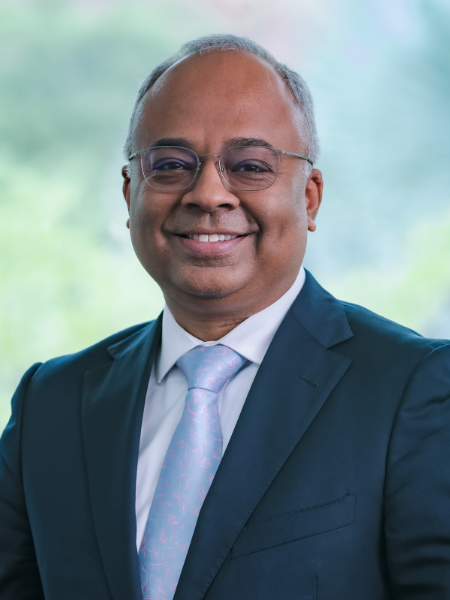
Prof Dr Gerard George
Group Managing Director, IMU Group
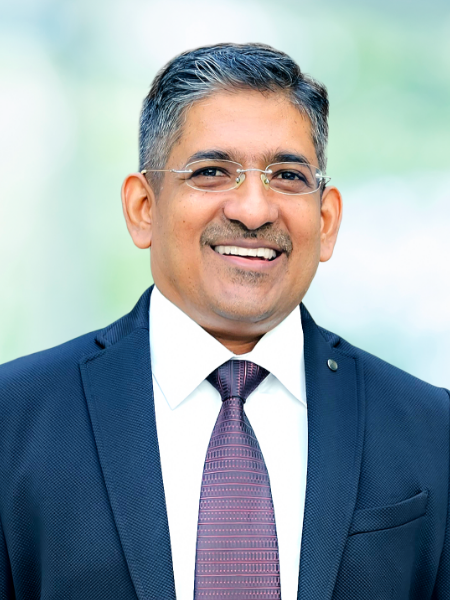
Prof Saravanan Muthaiyah
Dean, School of Business and Technology
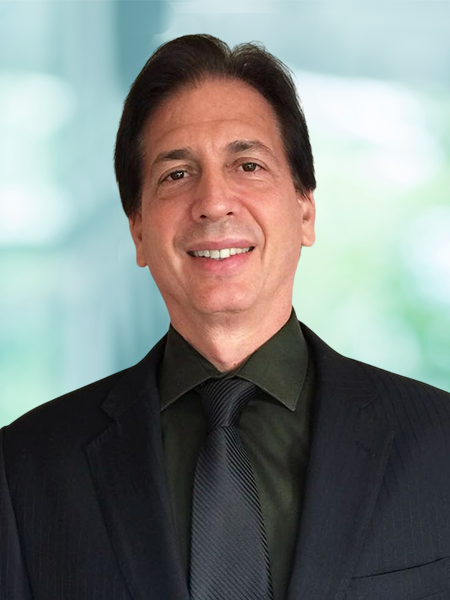
Tim Dinwiddie
Senior Operations Advisor, TPG Capital

Neeta Lachmandas
Founder, ConsciousService Pte. Ltd. Former Executive Director, Institute of Service Excellence, Singapore Management University

Dr Shunitra CS
CEO, Querist Consulting Sdn Bhd
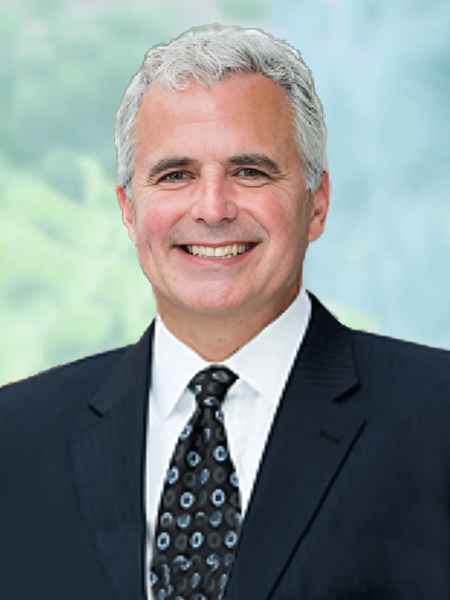
Prof Anthony Nyberg
J. Henry Fellers Professor of Management, Darla Moore School of Business, University of South Carolina
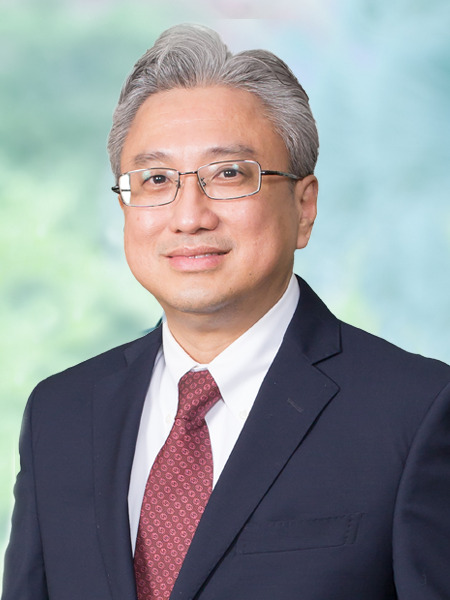
Mr Francis Wen
Chief Human Resources Officer, IMU University

Prof Beh Loo See
School of Business and Technology, IMU University

En Azman Shah
CEO, Performance Development Consultants

Ms Hoo Ling Lee
Regional CEO Central, KPJ Healthcare
Have a Question?
Ask Us
We're here to help! If you have any questions about our programmes or need further information, please don't hesitate to reach out to us.
Digital Leadership & Professional Certificate
"*" indicates required fields