%202024.png)


03 October 2025 | IMU Bukit Jalil
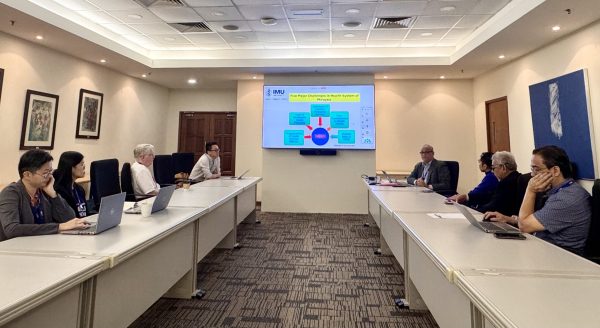
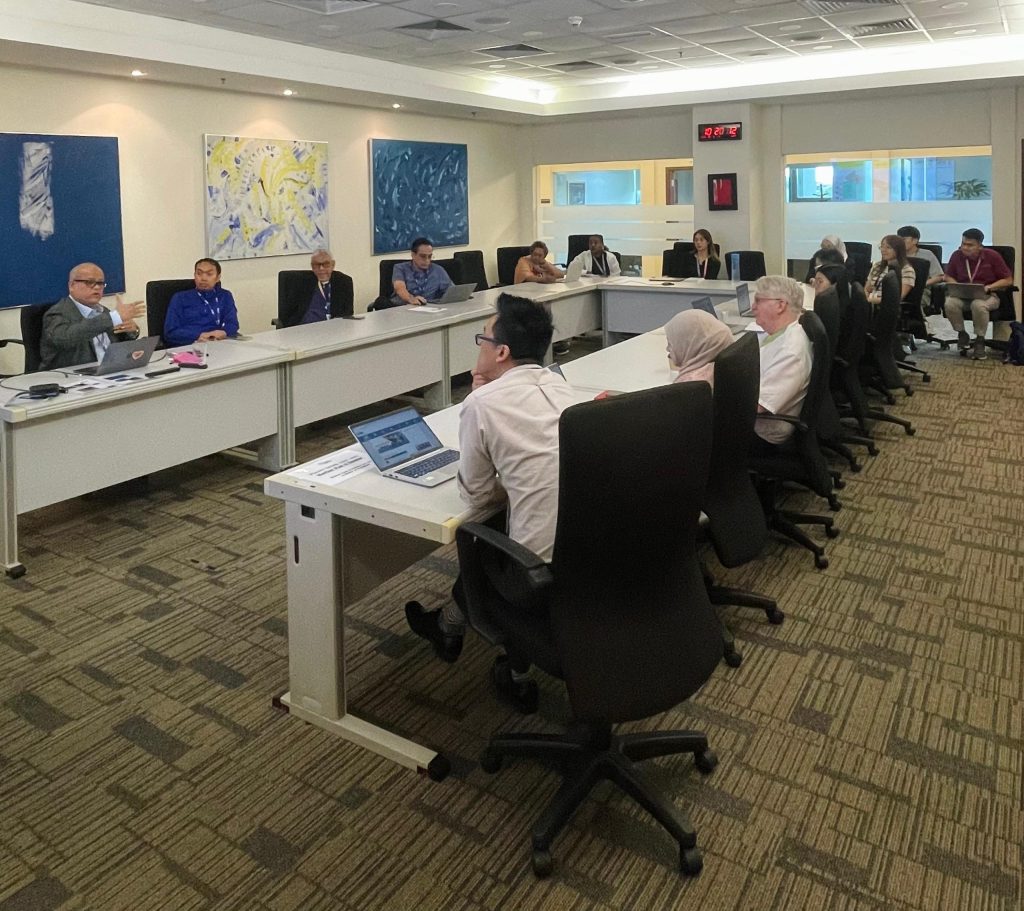
Graced by Professor Emeritus Dato’ Dr Syed Mohamed Aljunid, a leading expert in Malaysia’s health economics, the 3rd installment of the Institute for Research, Development & Innovation (IRDI)’s MIND (Meet, Inspire, Network & Discuss) series took place on Friday, 3 October 2025. The valuable hybrid session held at IMU University’s Board Room brought together its students, staff, and health professionals to unpack the complexities of Malaysia’s health economics.
Prof Syed currently serves as a Professor of Health Economics, Policy and Management at the Department of Public Health and Community Medicine, IMU University. He possesses an impressive academic background, including a Doctor of Medicine (MD) (UKM), Master’s of Public Health (Singapore), PhD (London) and DLSHTM (London), and is also a Fellow of the Academy of Medicine Malaysia (FAMM) and the Academy of Sciences Malaysia (FASc).
In Prof Syed’s impactful talk titled “From Evidence to Action: Research that Transforms Health Systems,” he provided an in-depth overview of Malaysia’s health economics and financing. It was revealed that Malaysia’s current health system landscape is in need of research in health economics and financing, efficient resource allocation, and data-driven decision-making to support Health Sector Reformations.
The insightful session shone a spotlight on the following key topics:
- The benefits of Universal Health Coverage where good quality services are accessible to the whole population of a country, tailored to needs and preferences, regardless of income level, social status, or residency.
- The necessity for a shift towards Social Health Insurance policy in Malaysia.
- Malaysia is in the midst of a possible transition to the Diagnosis Related Groups (DRG) system to enhance funding efficiency and cost control, driven by health economics analyses.
- A shift from curative to preventive healthcare services is necessary for long-term sustainability.
- Unveiled that the Malaysian Ministry of Health (MOH)’s policies such as influenza vaccination for the elderly and the shift towards the usage of fecal occult blood for colorectal cancer screening bloomed from health economics analyses
- Challenges in Malaysia’s health system as a developing country include data limitations that are partly contributed by inadequate support from private hospitals, bureaucratic hurdles in research, and intellectual property complexities.
- Corruption as an obstacle that hinders innovations and commercialisations, which should be avoided at all costs to uphold quality, research value, personal integrity and future prospects.
Prof Syed revealed that Malaysia’s DRG initiative is expected to launch in June 2026, accompanied by policies of package-based payment, ensuring new treatments are properly evaluated for cost-effectiveness and provide trainings in medical coding and health financing.